

Where HOSHINOYA Fuji actually is
Plot twist: it's not in some unreachable wilderness. HOSHINOYA Fuji is located in 富士河口湖町 (Fujikawaguchiko, Fujikawaguchiko town), 山梨 (Yamanashi, Yamanashi Prefecture) prefecture, on the north side of the Fuji Five Lakes region, overlooking Lake Kawaguchi. From central Tokyo, it's roughly a two-hour trip by train and bus if you use the express services, and by car, it's about the same in good traffic. Here's the deal: that short distance from the city makes the contrast so sharp; the forest feels immediate and private, but the city is still close enough to pop back to if you need to.
How the resort frames Mount Fuji
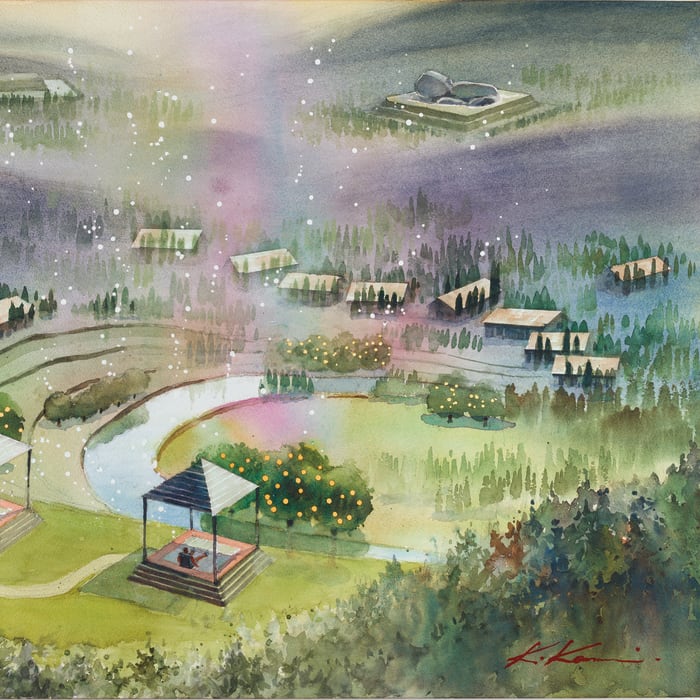
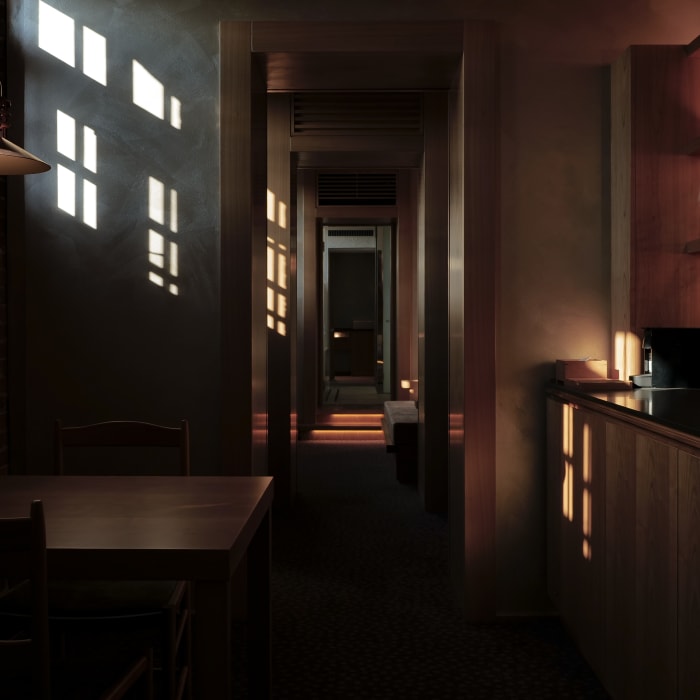
Know that feeling when a view is so intentionally arranged it almost feels like theatre? HOSHINOYA Fuji stages Mount Fuji with sightlines, terraces, and carefully positioned cabins, so the mountain becomes part of your daily routine rather than an occasional postcard moment. The rooms favour wood, simple furniture, and large windows. At dusk, the lights gently cue you to step outside, and at dawn, you wake with Fuji framed like a photograph you didn't take.
Design and atmosphere
For example, cabins are raised on stilts, blending into the cedar forest, so you get privacy and those low, forested sightlines toward the summit. The communal spaces are quietly curated, with lounges, a small library, and outdoor decks for tea and light meals. On a related note, the lighting and pathways are subtle, so the experience moves from private moments to shared ones without banging you over the head with luxury. It's refined, not loud. Personally, I especially like the way the resort encourages slow pacing, asking you to sit, look, and notice small seasonal changes around the site. Wait, there's more.
Luxury glamping, but the Hoshino way
Basically, this is glamping that respects place as much as comfort. You're not camping to rough it, and you aren't staying in a sterile boutique hotel either. There's an emphasis on local produce at mealtimes, wood-burning stoves in some cottages, and thoughtful, minimal interiors that put the view first. My tip: book a sunrise session on the terrace if you can, even if you're not an early bird. The morning light on Fuji is something else.
Meals, rituals, and the local touch
By the way, dining leans into regional ingredients from Yamanashi, think seasonal vegetables, local fish, and carefully prepared breakfasts that feel handcrafted. Staff will introduce small rituals, like outdoor tea or guided short walks, that help you see the landscape differently, and those little curated moments add up. Not bad, right?



The volcanic story beneath your feet
Fun fact: Mount Fuji is an active stratovolcano, and its last major eruption was the 宝永 (Hoei, Hōei era) eruption in 1707. The lakes and soils around HOSHINOYA Fuji, including Lake Kawaguchi, exist because of volcanic activity over many thousands of years, and that volcanic history shapes the trees, the mineral-rich soil, and even the way water gathers here. That's why the resort's architecture often feels like an extension of the terrain rather than an interruption.
Because the ground is volcanic, you'll notice darker rocks and abrupt ridgelines in short hikes around the property. These aren't just pretty details; they're geological stories you can feel when you walk outside barefoot on a wooden deck and look back toward the mountain. Convinced yet?
Practical bits and why language matters
I still remember exactly the first morning I sat outside with a cup of coffee and thought, I can't believe this is only two hours from Tokyo. If you're learning Japanese, here's a small integration: the word onsen means hot spring, and while HOSHINOYA Fuji doesn't market as a traditional onsen resort, you'll see similar bathing culture and quiet etiquette around communal baths in the region. Learn a few words like onsen and ryokan, and you'll feel more at home navigating both the menus and the social rhythms. My tip: try using simple ローマ字 (romaji, romanization) phrases with staff; they'll appreciate the effort, and you'll learn faster in context.
Guess what? Staying here feels like slowing down deliberately. The site is a study in restraint, craft, and staging, architecture and nature working together so every small moment becomes a memory. If you like design-led travel, it's a lovely place to practice patience and curiosity. Personally, I find those kinds of stays keep my love for Japan fresh because they reward quiet attention rather than checklists.
Frequently Asked Questions
How do I get to HOSHINOYA Fuji from Tokyo?
Short answer: about two hours by public transport using train to 大月 (Otsuki, Otsuki city) or 河口湖 (Kawaguchiko, Lake Kawaguchi) and a connecting bus or shuttle, or around two hours by car depending on traffic.
Is HOSHINOYA Fuji good for families or couples?
Short answer: both. The site offers private cabins that work for couples, and family-friendly layouts are available, though the experience leans calm and nature-focused.
Do I need to know Japanese to enjoy the resort?
Short answer: no, but learning a few romaji phrases like onsen and ありがとう (arigato, thank you) makes interactions more enjoyable and shows respect.

