
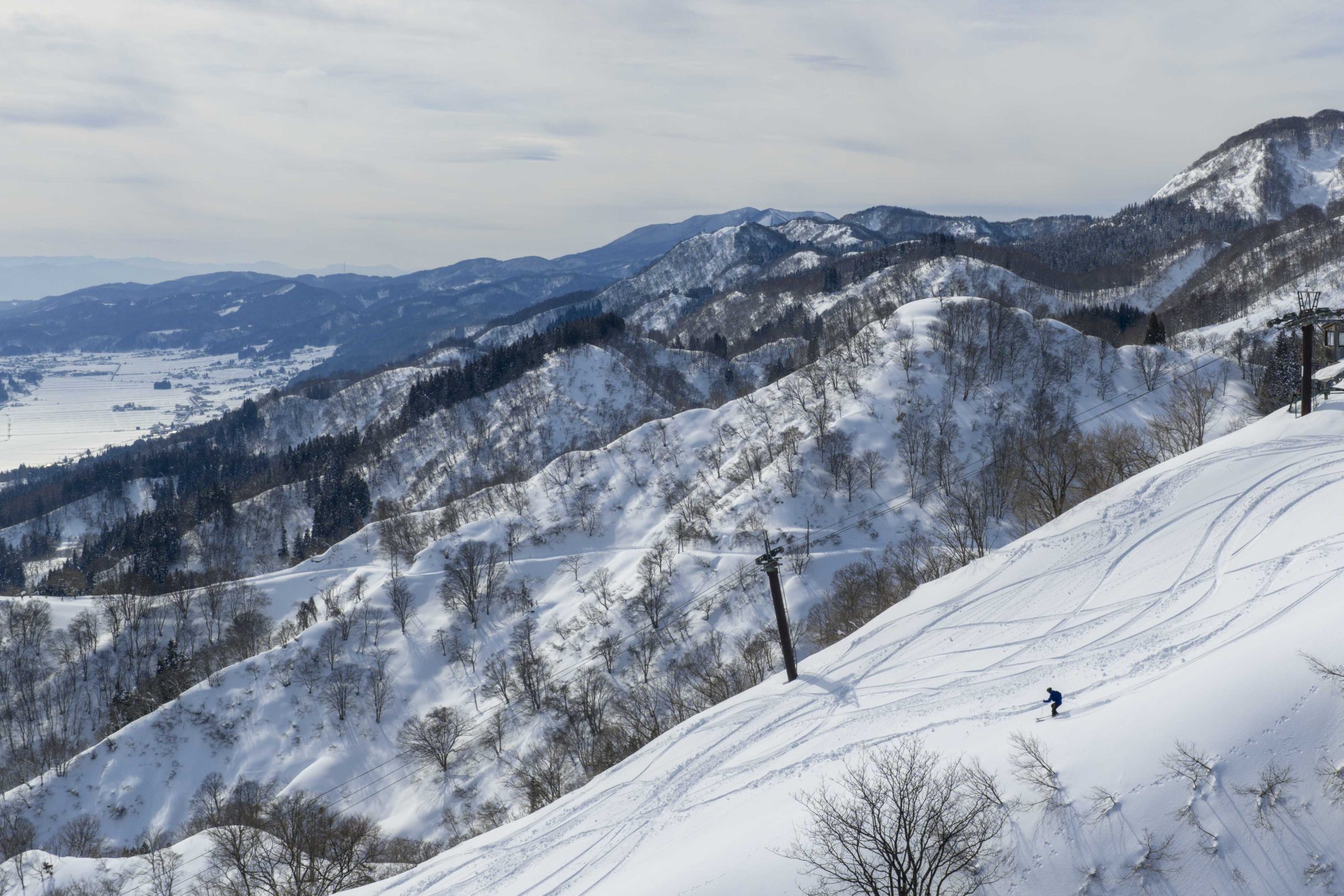
Inbound imbalance: why Japan's winter resorts feel stretched
Ever wondered why ski towns like ニセコ (Niseko, Niseko (town/resort)) and 白馬 (Hakuba, Hakuba (town/village)) keep making headlines? Japan saw 31.88 million inbound visitors in 2019, a high-water mark reported by JNTO, and many of those visitors gravitate to winter destinations. Speaking of which, limited lift capacity, small mountain footprints, and a finite number of ryokan rooms create a classic supply and demand squeeze, especially in famous resorts.
Here's the thing: that squeeze has two faces. No exaggeration here, international demand pushed rental and real estate prices skyward in places like Niseko in 北海道 (Hokkaido, Hokkaido (prefecture/island)), while Hakuba in 長野 (Nagano, Nagano (prefecture)) experienced concentrated visitor peaks during February. The result has been rising costs for local businesses and friction with residents.
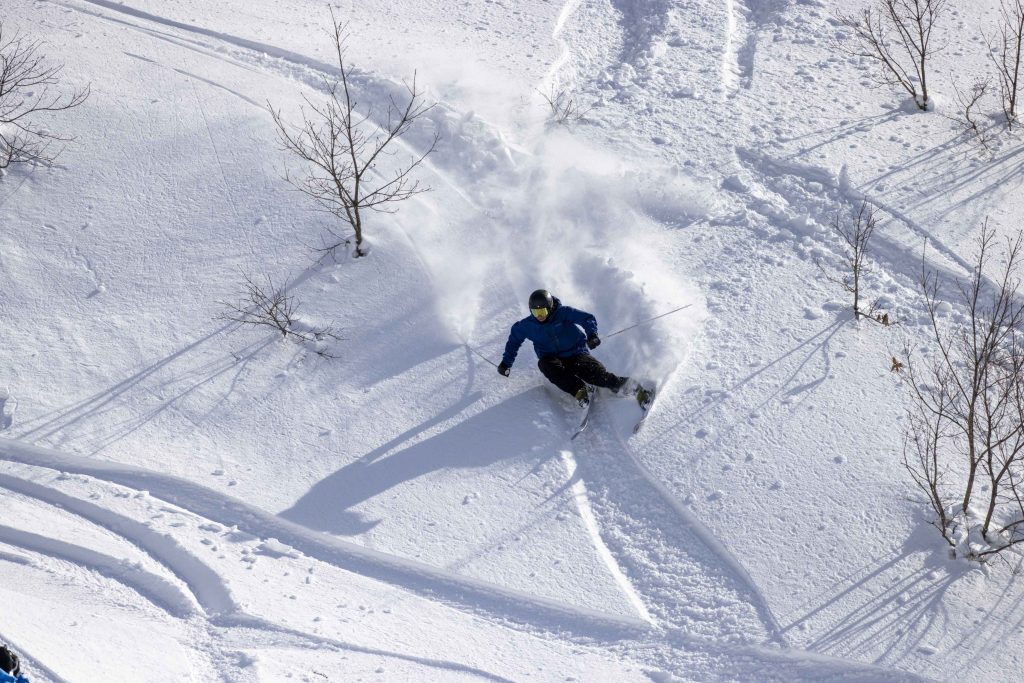
Niseko and Hakuba: price pressure and social strain
No joke: Niseko became the poster child for foreign investment in ski real estate during the 2010s, leading to higher accommodation prices and a townscape aimed more at wealthy international skiers. Quick detour: Hakuba, which hosted events during the 1998 Nagano Olympics, shows a different pattern. It has more lift capacity but still suffers from overcrowding at popular hubs and an uneven seasonal economy.
Basically, both resorts illustrate what happens when inbound travel concentrates on a few brands and a few slopes. Local residents face higher rents, youth out-migration accelerates, and winter towns age faster than the national average. My tip: when you travel, try to book smaller guesthouses and longer stays to help spread the benefit.
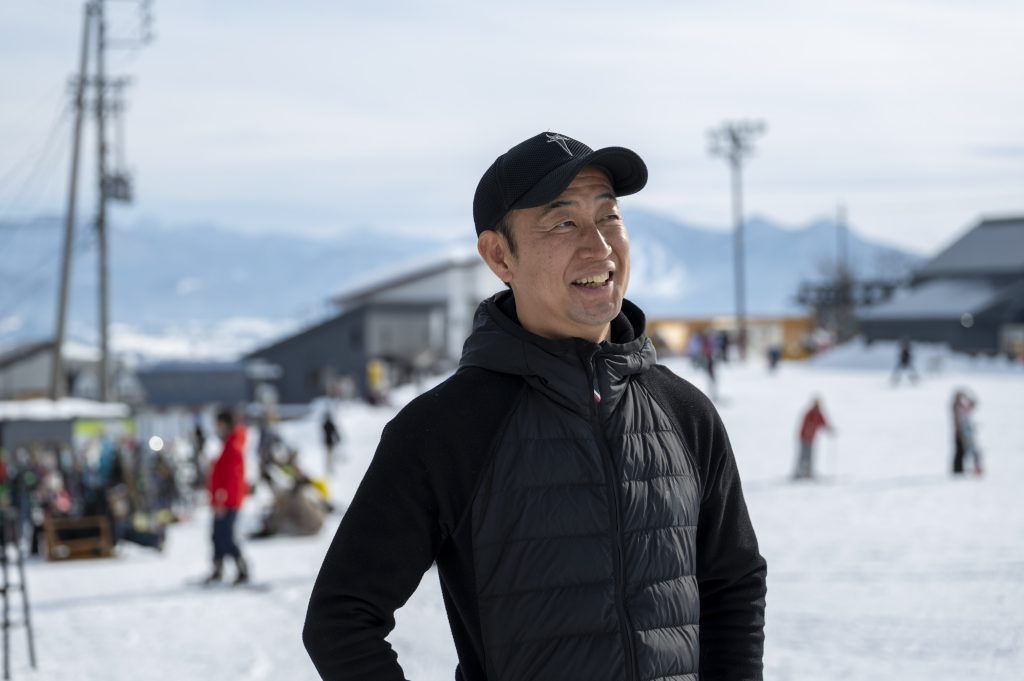
Togari Onsen's experiment: members-only terrain and local-first strategy
Picture this: a compact Nagano-area resort that limits daily skier numbers and sells memberships rather than unlimited day passes. That's the gist of the new plan at 戸狩 (Togari, Togari (place name)) Onsen, which the local operators say aims to balance tourism revenue with livability. Here's the deal: instead of chasing volume, the resort is targeting steady, committed visitors and local community use.
How the membership model works
Unlike what we're used to in big resorts, Togari's model prioritises capped access. Members pay season fees or buy limited-slot passes, local residents get priority, and a portion of revenue funds slope maintenance and public transport links. Pro tip: this approach can stabilise prices and ensure peak days aren't overwhelmed, which is a win for safety and customer satisfaction.
Potential benefits and clear challenges
Speaking of which, the benefits look tangible: fewer crowds, better-quality snow management, and more predictable income for small ryokan and cafes. But there's no easy fix. The plan needs clear governance, marketing to the right overseas markets, and legal clarity about membership rights. What I especially like is that it forces operators to treat visitors as partners, not just spenders.
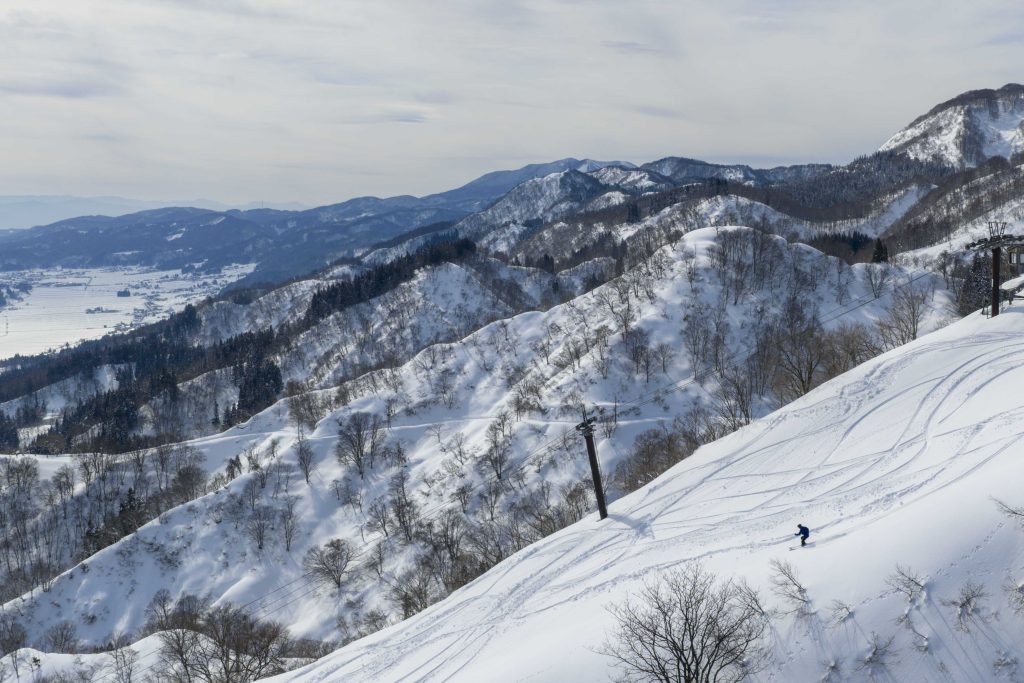



Here's the thing: scaling this idea to larger resorts would be hard. Niseko's year-round hospitality economy depends on large visitor flows, and Hakuba's lift network needs volume to justify maintenance costs. Still, smaller resorts facing population decline and low weekday use may find a members-first path more sustainable.
What this means for Japan fans and learners
Ever wondered why some ski towns feel so authentic while others feel like theme parks? Travel choices matter. No exaggeration: you can learn useful Japanese vocabulary while helping local economies. Try booking a stay at a family-run 民宿 (minshuku, family-run guesthouse), practise polite phrases, and ask hosts about local onsen etiquette. Insider tip: using romaji like ryokan, onsen, and minshuku in your notes helps you remember the cultural context.
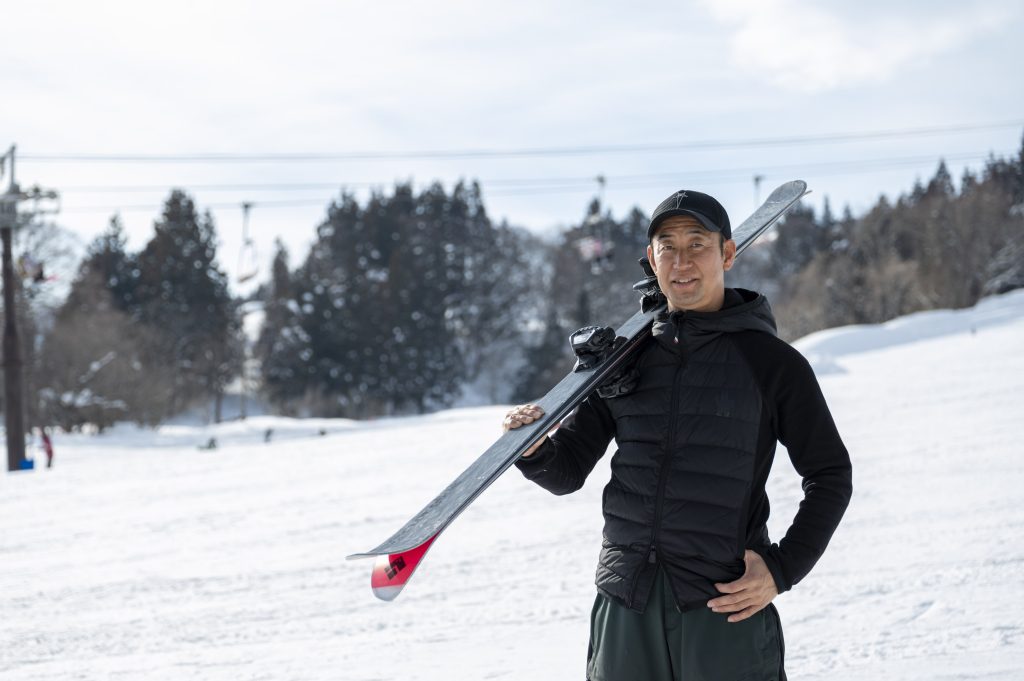
Here's the deal: if more overseas visitors choose lower-volume, longer-stay trips, it eases pressure on hotspot resorts and helps sustain regional Japan. Convinced yet? Maybe not, but Togari Onsen's plan is a real-world experiment worth watching.
Quick detour: if you want to read deeper, the local report on the new Togari initiative outlines membership tiers, community clauses, and pilot-season targets. No joke: the proposal even includes subsidised passes for school groups to keep youth connected to winter sports.
My tip: follow local news sources and official tourism pages before you book. That way, you'll make choices that help, not hurt, small towns.
In pictures
Frequently Asked Questions
What is the main idea behind Togari Onsen's change?
Togari Onsen is experimenting with membership-based access and capped daily skier numbers to reduce overcrowding and support the local economy.
Will this model affect prices for visitors?
Possibly. Limited access can mean higher per-visit costs but better quality and less crowding. It aims to prioritise long-term sustainability over short-term volume.


