Why retail-based travel experiences are booming in Japan
Question: ever thought of a mall or market as the highlight of a holiday? Japan is making that idea mainstream. After a 2019 record of 31.9 million international visitors, according to the Japan National Tourism Organization, travel patterns shifted. Tourists now book trips specifically for shopping experiences, not just sightseeing.
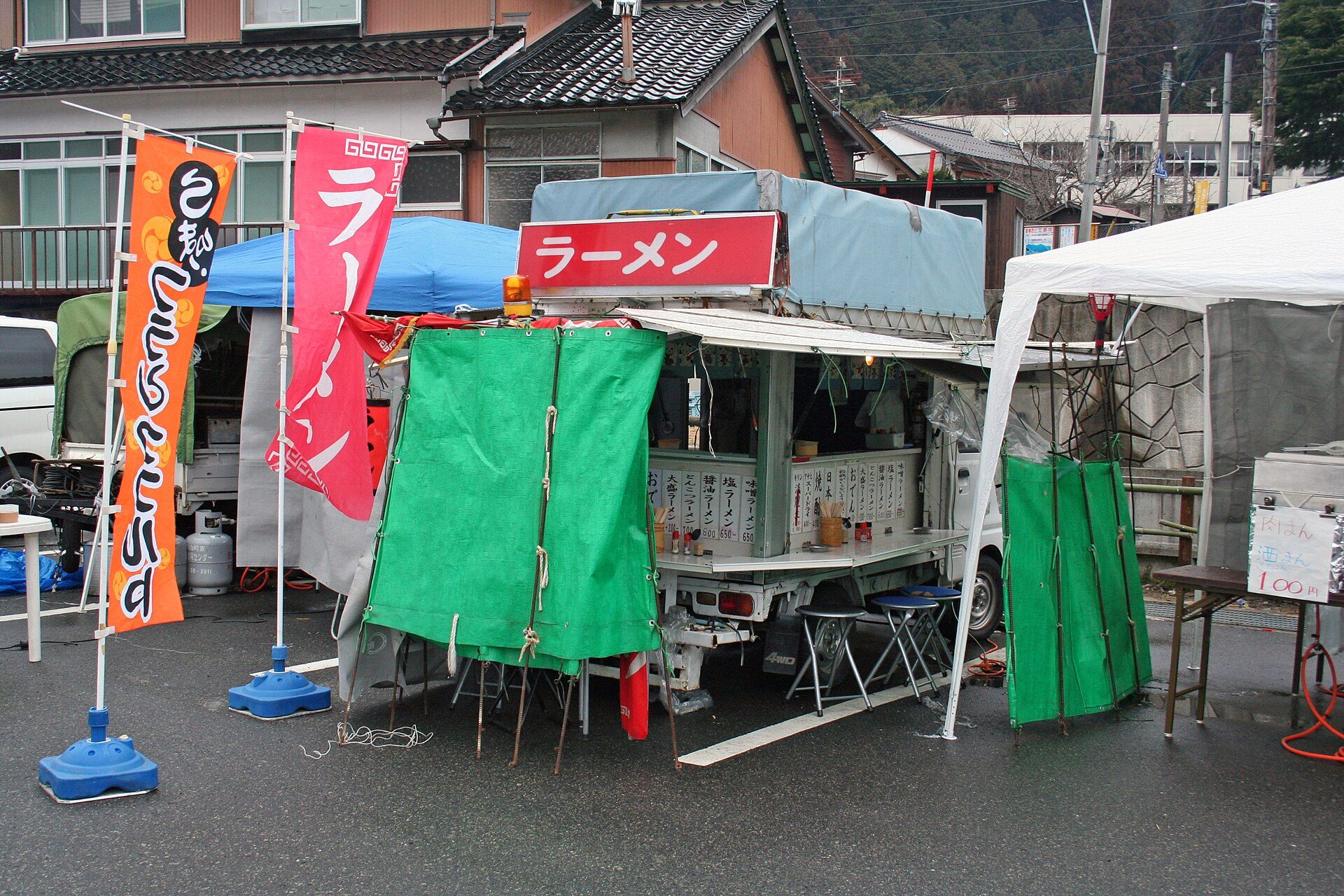
I still remember my first night in Osaka, walking Dotonbori and seeing たこ焼き (takoyaki, octopus balls) stalls and neon stores packed with international shoppers. Take Dotonbori, for instance. That stretch encapsulates how retail tourism mixes food, atmosphere and impulse buys in a way few places do.
Fact: travel agencies such as JTB and HIS are offering shopping-centric packages that combine outlet shopping, デパ地下 (depachika, department store basement food hall) tours and guided neighbourhood walks. A great example is a full-day itinerary that pairs a morning at Tenjinbashisuji Shopping Street in Osaka with an afternoon trip to Don Quijote and a depachika tasting at Daimaru for evening snacks. Sounds good, right?
Top cities and streets for retail travel in Japan
Know that feeling when every street promises something new? Tokyo, Osaka and Kyoto each have distinct retail personalities. Tokyo is fast and design-focused, with areas like Harajuku and Omotesando for boutiques and Takeshita Street for youth culture. Osaka is about street food and bargain hunting in Namba. Kyoto leans towards craft, antiques and specialty food sellers at Nishiki Market.
Tokyo: fashion, gadgets and department store food halls
Quick detour: Tokyo department stores such as Isetan in Shinjuku and Mitsukoshi in Ginza turn their depachika food floors into destinations. Many stores host limited-time collaborations, and seasonal items sell out quickly. Insider tip: go late afternoon to see restocking and sample plates for cheaper prices. From my experience, you’ll find better variety than in many standalone restaurants.
Osaka: street food meets discount shopping
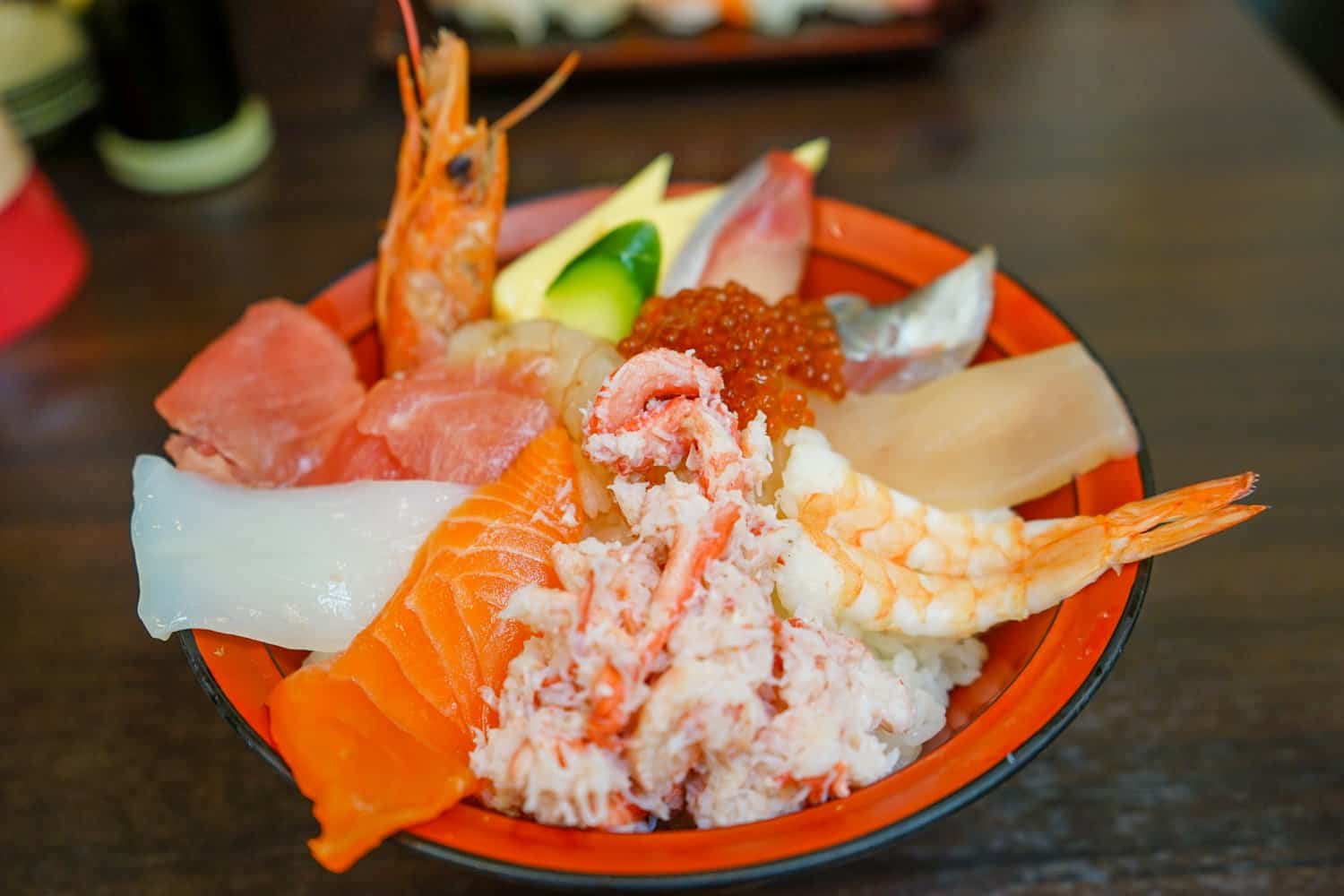
Oh, almost forgot: Osaka remains the kingdom of takoyaki, お好み焼き (okonomiyaki, savory pancake) and 串カツ (kushikatsu, deep-fried skewers) along Dotonbori and Shinsekai. Take Kuromon Ichiba Market for fresh seafood and snacks that double as portable purchases. My tip: buy small portions to try more stalls, and learn a few phrases in romaji, like ありがとう (arigato, thanks) and onegaishimasu, to make quick exchanges friendlier. Personally, that approach wins smiles and sometimes a free sample.
Kyoto: curated shopping and traditional crafts
Before I forget: Nishiki Market and Teramachi Street offer local ingredients and Kyoto sweets ideal for culinary-focused shoppers. A curated boutique that sells yatsuhashi-flavoured items can be a perfect souvenir source. From my experience, Kyoto blends calm shopping with cultural context better than most places.



Street food and depachika: how food drives retail tourism
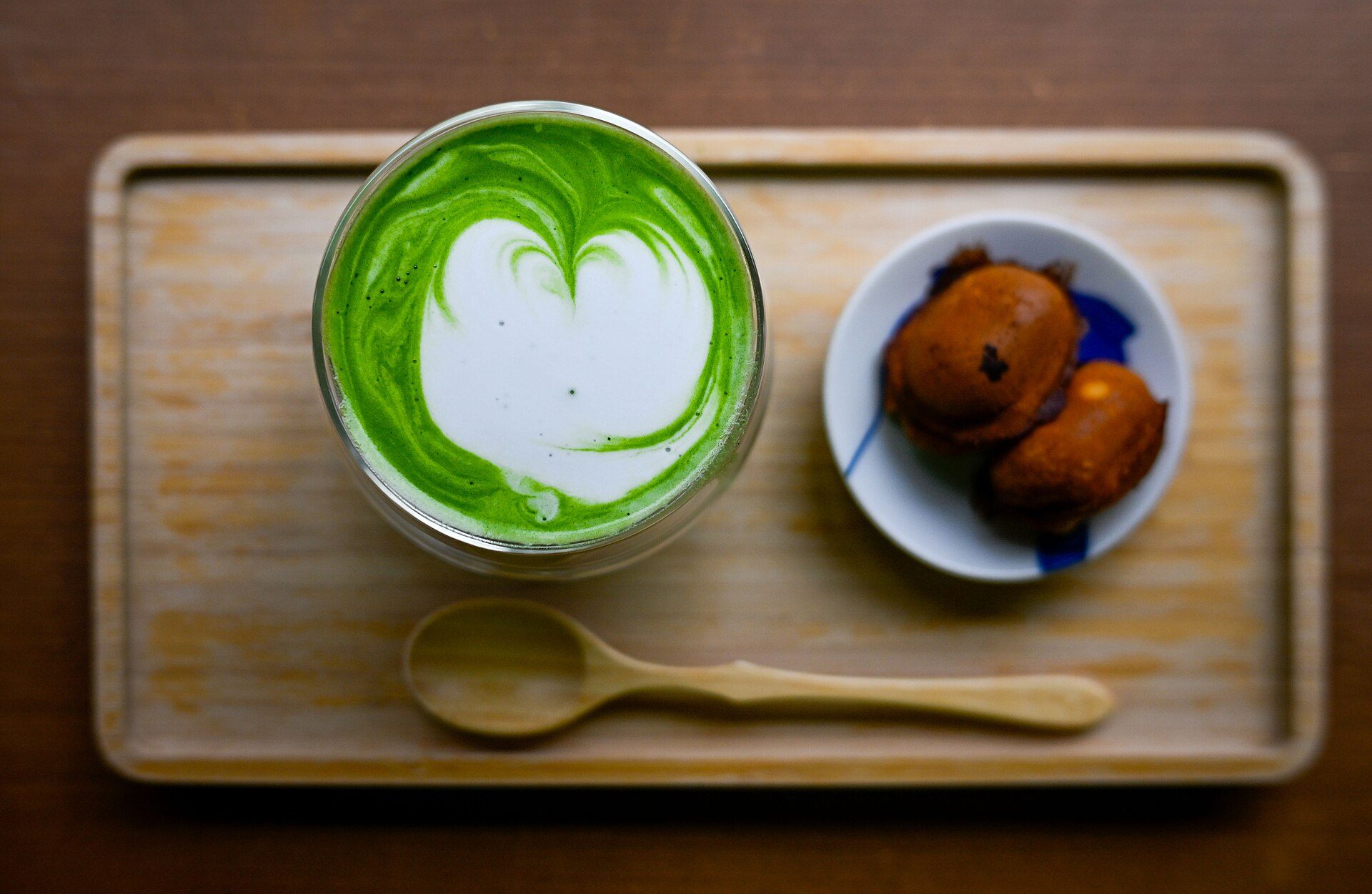
No joke: food courts in Japan are not an afterthought. Depachika, the basement food halls of department stores, often feature premium bentos, 和菓子 (wagashi, Japanese sweets) and chef pop-ups. These are hot on itineraries because they let travellers taste regional specialities in one stop.
Guess what? Some shopping malls now host night markets and seasonal festivals that mirror traditional 祭り (matsuri, festival) energy, drawing local and foreign crowds. Take the example of Roppongi Hills seasonal markets that combine designer pop-ups with street-food stalls. Not bad, right?
Basically, food and shopping are inseparable in Japan. Retailers see value in staging tasting events, and that strategy works. Retail spaces are adapting to be more experiential, offering live demos, samplings and workshops where you can make small souvenirs. Personally, I always sign up for a short food workshop when available.
Planning tips and language learning links
Direct address: here's how to make the most of retail tourism while practising 日本語 (nihongo, Japanese language). Learn a few romaji phrases for greetings, payment and sizing. Many shops accept credit cards and Suica, but cash is still common at small stalls. Bring a portable translator app for complex questions.
My tip: set aside at least one afternoon for a depachika crawl and another evening for a street-food walk. Book a guided shopping tour if you want insider access to local wholesalers or limited-edition releases. Quick detour: follow r/TokyoTravel or local YouTube channels for real-time pop-up info and store opening updates.
Insider tip: if you want bargains, check outlet malls like Mitsui Outlet Park and premium outlets in Gotemba. For design lovers, MUJI and Uniqlo flagship stores often host exclusive items and collaborations. From my experience, mixing high design and street food yields the most memorable days.
Frequently Asked Questions
What is retail-based travel?
Short answer: travel planned around shopping destinations, food halls and retail events rather than museums or nature.
Which cities are best for retail tourism in Japan?
Short answer: Tokyo for design and gadgets, Osaka for street food and bargains, Kyoto for crafts and specialty food.
Sources
- Travel and Tour World - Japan emerges as a hotspot for retail-based travel experiences
- Japan National Tourism Organization (JNTO)
- JTB Corporation - official