Osaka on a budget: food, nightlife and simple logistics
Question: where do you start when you're flying into Kansai and trying to save money? My answer is Osaka, because it's cheaper to stay central, eat like a king for less, and still hop trains fast. Compared to back home, a bowl of ラーメン (ramen, ramen noodles) in Osaka's Dotonbori can feel like a bargain, with many dishes priced between 700 and 1000 yen depending on the shop.



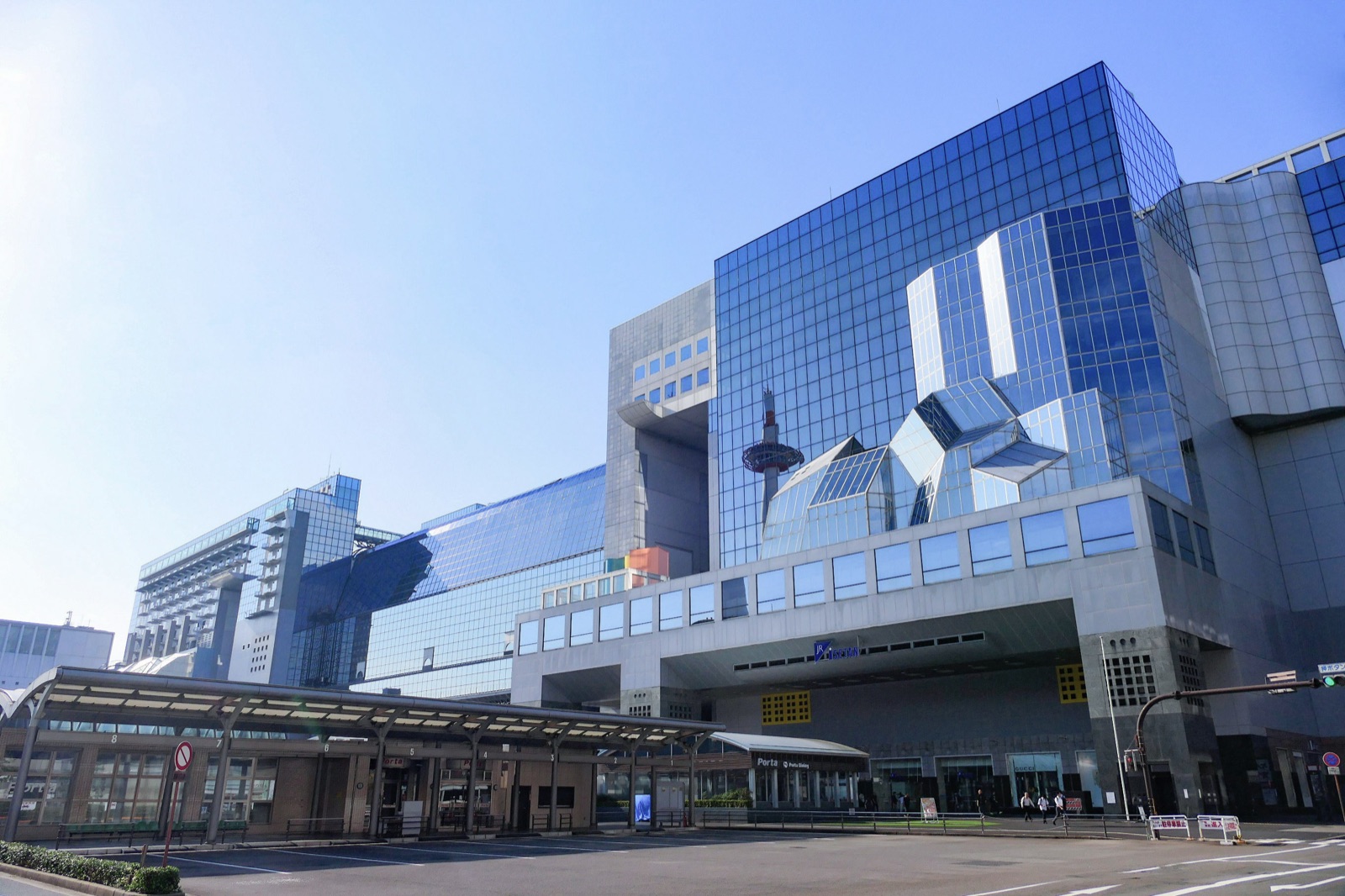
I still remember exactly the first time I wandered through Kuromon Ichiba market, tasting grilled squid from a 300 yen stall. Quick detour: buy an ICOCA card at Kansai Airport for local trains; it makes transfers smooth, and you can use it at konbini and vending machines. My tip: pick a guesthouse near Namba or Tennoji to keep nightly costs under 4000 yen, while staying within easy reach of Shin-Osaka station if you plan a 新幹線 (Shinkansen, bullet train) hop.
Cheap eats and local phrases
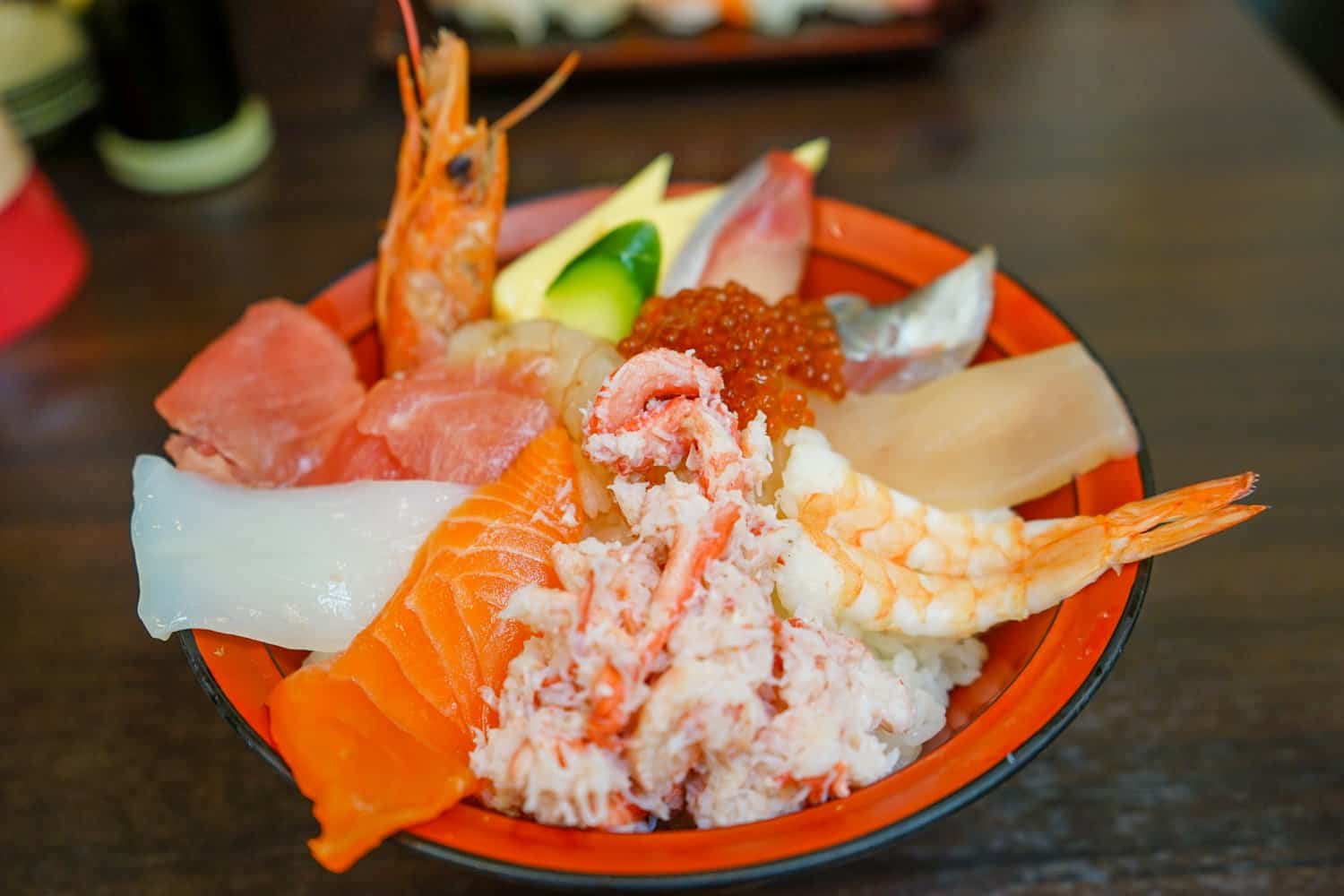
Plot twist: the best late-night food doesn't come from fancy restaurants; it comes from tiny yakitori joints and conveyor belt sushi that locals actually go to. A great example: buy an 駅弁 (eki-ben, station bento) on a platform when you board the Shinkansen; it's tasty and often cheaper than eating at a station restaurant. What I especially like is asking for the bill with すみません (sumimasen, excuse me / sorry), which works fine, but try ありがとう (arigato, thank you) at the end to practice polite phrases in romaji.
Kyoto's temples and slow streets, without breaking the bank
Direct address: if you love temples and 着物 (kimono, kimono; traditional robe)-clad streets, Kyoto is a must, and you can still see a lot on a student budget. The first time I went to Japan, I spent two full days in Kyoto and stuck mostly to free or low-cost sites, like the Fushimi Inari approach and the Philosopher's Path. The best part is that many shrines and temple grounds are free or ask for a small offering of 300 to 500 yen.
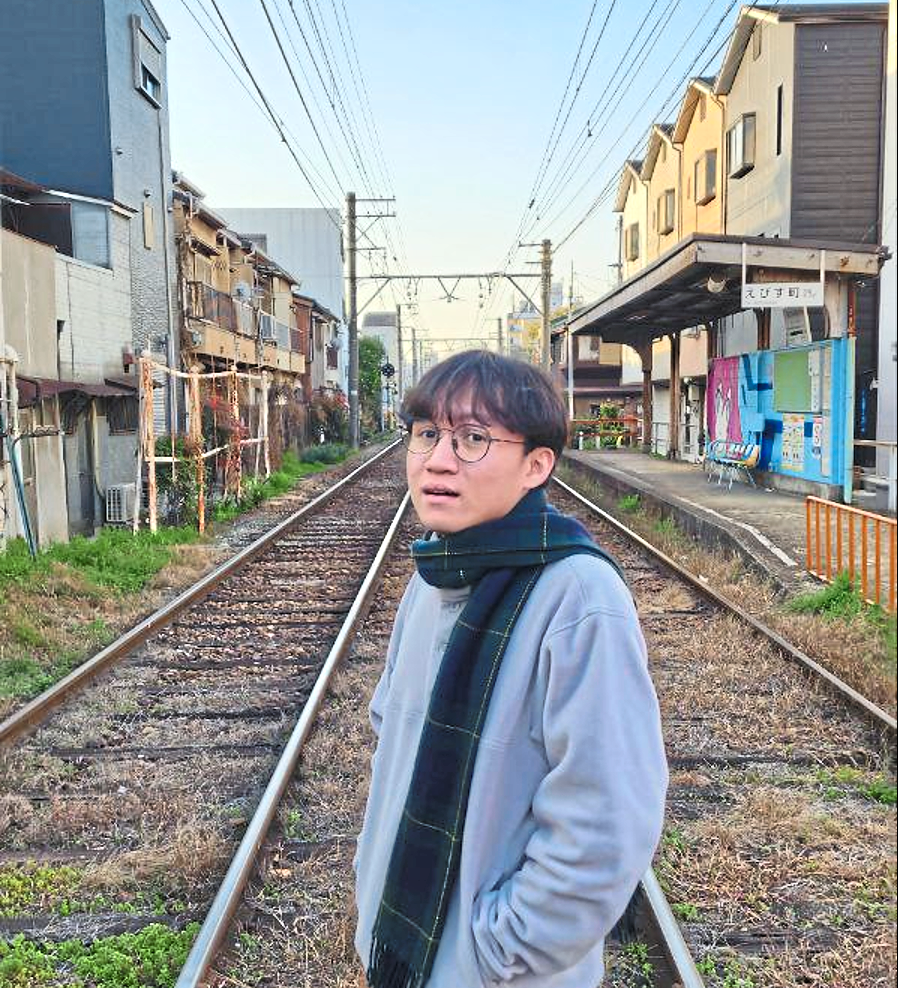
No joke: rental bicycles cost about 800 to 1200 yen per day and let you tour Arashiyama and its famous bamboo grove before the crowds. Take Kiyomizu-dera, for instance; the view from the temple terraces is stunning at sunset, and the surrounding lanes are great for practising simple romaji vocabulary like お土産 (omiyage, souvenir) and matcha at tiny tea shops. My verdict: staying in a machiya guesthouse for one or two nights can be cheap if you book ahead, and it adds cultural value you won't get in a generic hotel.
Smart passes and language practice
On the flip side, some tourist passes cost more than single tickets if you don't plan properly. A day bus pass in Kyoto is useful if you plan to visit lots of temples in one day, but walking often wins for both savings and language practice. Insider tip: speaking a few set phrases in romaji to shopkeepers and bus drivers makes interactions friendlier, and Japanese people appreciate the effort.



Nagoya, the Shinkansen rhythm and classic route tips
Compared to back home, riding the Shinkansen feels like stepping into a different era of punctual public transport. Shin-Osaka to Kyoto takes about 15 minutes by Shinkansen, while Kyoto to Nagoya is around 35 minutes on Hikari or Kodama services. The best part is that Nagoya station is a hub, and from there you can continue east to Tokyo in roughly 1 hour 40 minutes on Nozomi, or a bit longer on Hikari if you have a JR Pass.
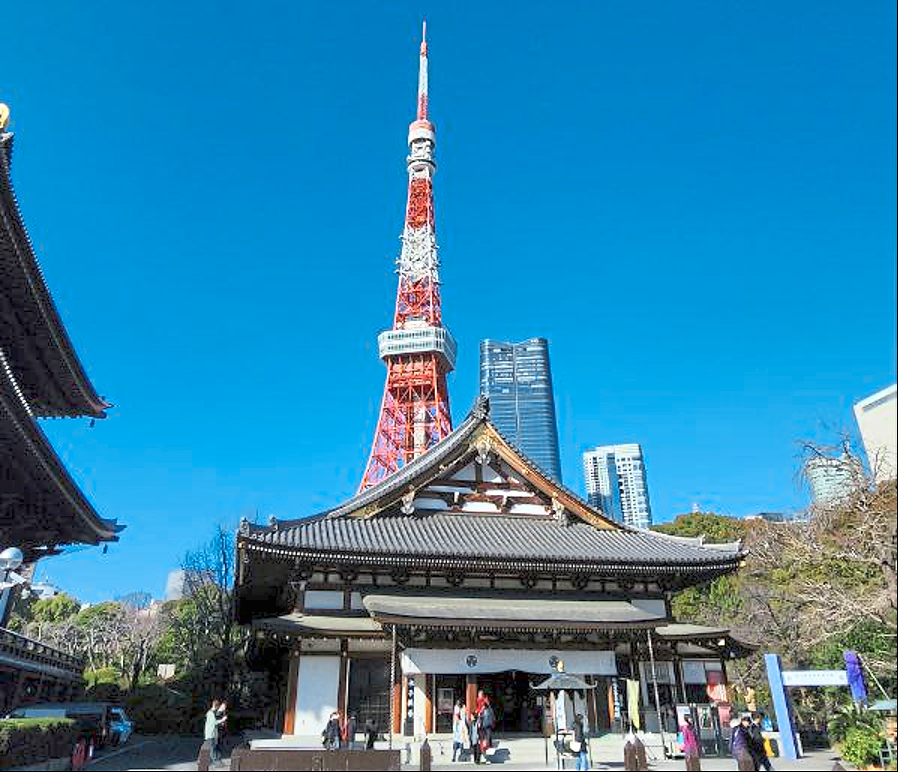
Plot twist: the JR Pass still makes sense for many itineraries, especially a 7-day pass which costs around 33,610 yen for an ordinary adult. A great example is that the pass covers Hikari and Kodama services but not Nozomi and Mizuho trains on Tokaido and Sanyo lines, so plan seat bookings with that in mind. From my experience, reserving seats at JR ticket offices is quick and often free with a pass.
Nagoya highlights and samurai echoes
While we're at it, Nagoya has its own castle and the Toyota Commemorative Museum of Industry and Technology, both budget-friendly stops. Take Nagoya Castle, for instance; plan about 600 yen for admission and an hour or two to explore. My tip: look for local history exhibits to practice museum-related vocab in romaji; it's a fun way to link language study and travel.
If you're chasing samurai history, a day trip to nearby Ise or Hikone can be fitted into the route affordably by local trains, and you get different castle architectures to compare. Personally, the combination of bustling Osaka nights, contemplative Kyoto mornings, and clean Shinkansen rides through central Honshu makes this classic route unforgettable.
Frequently Asked Questions
Do I need a JR Pass for this route?
Short answer: maybe. A 7-day JR Pass can be cost-effective if you plan long-distance travel in a short period, but single tickets or regional passes are better for slower itineraries.
Is Japan expensive on a student budget?
Short answer: no, not if you choose hostels, street food, and smart transport options like ICOCA and day passes to save on costs.
Sources
- Temples, trains and samurai: a student's budget-friendly adventure in Japan
- Japan Rail Pass official site
- JR Central Shinkansen information