
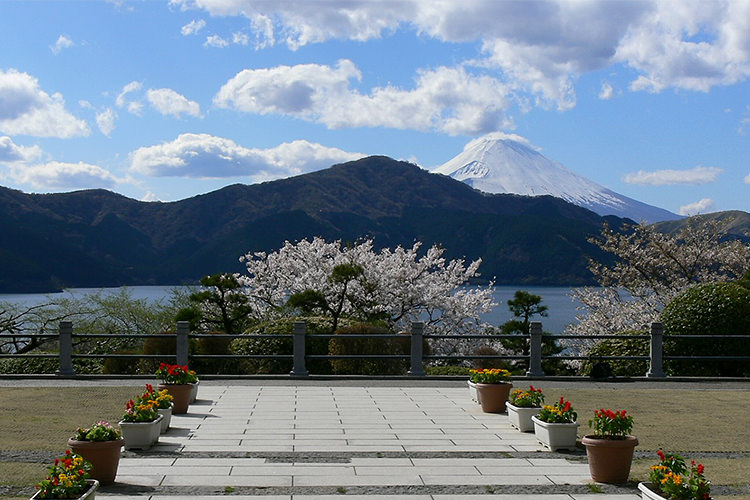
Sister Park Initiative meeting in Hakone, 29 March 2026
Fun fact: delegations from Indonesia met with Japanese park managers in 箱根 (Hakone, Hakone) on March 29, 2026, to discuss a Sister Park Initiative, according to reporting by Ecobiz Asia. The meeting concentrated on sharing practical ideas to strengthen national park management, from ranger training to visitor controls. You can see the meeting report here: Ecobiz Asia.



Did you know these talks are part of a wider push to build cross-border conservation links? Indonesia, which manages more than 50 national parks, is looking to learn from Japanese approaches to zoning, disaster preparedness, and tourism management. My verdict? Concrete, date-stamped talks like this one make cooperation feel real, not just diplomatic talk.
Why Fuji-Hakone-Izu National Park is the logical Japanese anchor
The first time I went to Japan, I was blown away by how accessible nature felt, even near big cities. 富士 (Fuji, Fuji)-Hakone-伊豆 (Izu, Izu) National Park, established in 1936, includes Mount Fuji, the volcanic Hakone area, the Izu peninsula, and several Izu islands. The park covers roughly 1,227 square kilometres, so it offers a mix of high-mountain management challenges and coastal island conservation experience.
Take its visitor patterns, for instance. Mount Fuji draws climbers and sightseers in summer, while Hakone is famous for onsen and short trips from Tokyo. The park has long experience balancing heavy day-use traffic with protected zones and cultural sites, so it can share transferable tools for crowd management, signage, and visitor education. Check out the park overview on Wikipedia.
What Indonesia and Japan aim to exchange under the Sister Park Initiative
Imagine a narrow alley in Tokyo, then flip that idea to a trail on Komodo, and you get why cross-training matters. Take Komodo National Park, for instance, a UNESCO site since 1991. Indonesia wants to improve science-based monitoring, community engagement, and tourism controls across sites like Komodo and Ujung Kulon.
Here's the catch: applying a solution from one park to another requires adaptation, not copying. Possible exchanges discussed include joint ranger training programmes, shared GIS and drone monitoring methods, visitor quota systems, and community-based ecotourism models that keep local livelihoods intact. My tip? Watch for pilot projects that put one Japanese ranger team into an Indonesian park for several weeks, and vice versa.



Concrete capacity-building ideas
Let me show you why small technical steps add up. Proposed actions include standardised biodiversity survey protocols, joint workshops on invasive species control, and exchanges on disaster response tied to volcanic or tsunami risk. These aren't vague goals; they're specific operational tactics that parks can start testing within a year.
Why this matters for Japan fans and language learners
Let's be honest: this kind of partnership is a learning goldmine for travellers and students of Japanese. Visiting Hakone or Fuji after these exchanges might mean clearer multilingual signage, more ranger-led English tours, and deeper cultural notes about local shrines and nature worship near Fuji. You can practice romaji terms like 桜 (Sakura, cherry blossom), onsen, ryokan, and 環境 (kankyo, environment) when reading park signs or museum panels.
What many overlook is that these conservation projects create vocabulary and cultural touchpoints you can use in real conversation. If you study environmental phrases in romaji beforehand, you'll have natural conversation starters with park staff and volunteers. Not bad, right?
My tip? Plan a study trip that mixes a visit to Hakone’s trails with an English-friendly nature programme. This is my absolute hidden gem for language practice and nature observation combined.
Frequently Asked Questions
What is the Sister Park Initiative?
Short answer: a proposed partnership model where two parks share expertise, training, and management practices to improve conservation and visitor experiences.
When and where did the latest talks happen?
Short answer: a meeting took place in Hakone on March 29, 2026, between Indonesian and Japanese park representatives.
How can I learn more or get involved?
Short answer: follow official park announcements, volunteer programmes, and rely on trusted NGO updates for calls for volunteers or citizen science projects.


