Cherry Blossoms Bloom Early: What the 2026 Sakura Season Data Shows
According to reports from SoraNews24, cherry blossoms began blooming in several Japanese cities in mid-March 2026, well ahead of the historical average. The Japan Meteorological Corporation (日本気象協会), which publishes the country's official sakura forecast every year, confirmed that multiple locations recorded their earliest bloom dates on record.
Tokyo, where the first blossoms typically appear around late March, saw its first blooms earlier than the long-term average this season. Osaka and Kyoto were also on an accelerated schedule, with Kyoto's famous Maruyama Park — one of the country's most iconic hanami (flower-viewing) spots — ready to welcome visitors weeks earlier than many had anticipated.
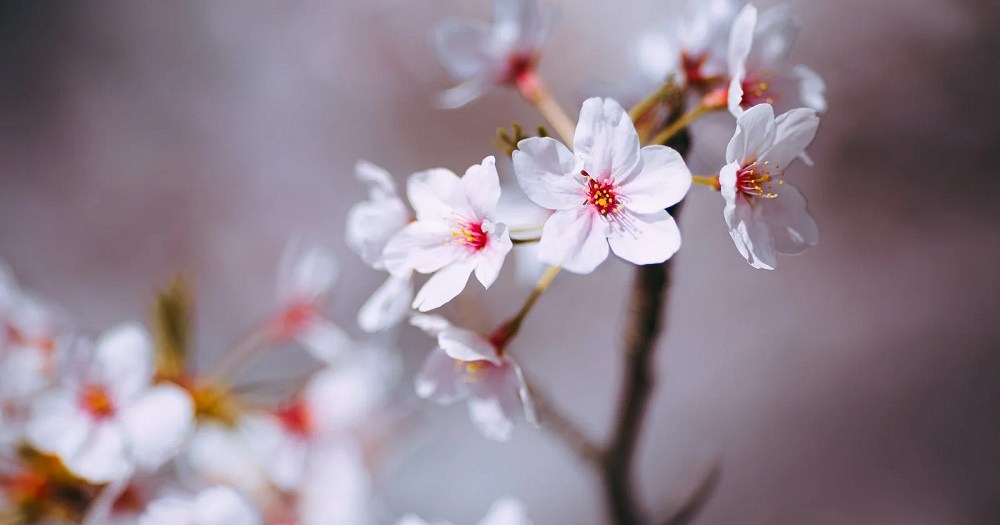
The benchmark tree used for Tokyo's official bloom announcement is the Somei Yoshino cherry tree (染井吉野 (Somei Yoshino, die häufigste Sorte des japanischen Kirschbaums)) at Yasukuni Shrine in Chiyoda. When five or more blossoms open on that particular tree, the Japan Meteorological Agency officially declares the bloom season for the capital. That declaration came earlier than usual in 2026 — a clear sign of just how mild this past winter and early spring had been.
Why Are the Cherry Blossoms Blooming So Early in 2026?
The timing of cherry blossoms in Japan is closely tied to temperature — specifically, the accumulated warmth experienced after a cold winter period. Trees need a certain number of cold days to "reset" their blooming cycle (a process known as vernalization), followed by warm spring temperatures to trigger flowering. In 2026, Japan experienced a milder-than-usual winter, followed by an unusually warm late February and early March, which pushed the bloom schedule forward across the entire archipelago.
Climate scientists and cherry blossom researchers have identified a long-term trend: Kyoto's bloom records, which stretch back over 1,200 years and rank among the longest continuous phenological datasets in the world, show that average bloom dates have shifted forward by nearly two weeks compared to historical norms from the 9th and 10th centuries. The 2026 season fits squarely into that warming pattern.
For Japanese learners, it's worth knowing the word 開花 (kaika, blooming, flowering) — you'll see this term constantly in Japanese news coverage during sakura season, often paired with 開花宣言 (kaika sengen, official bloom announcement).
The Role of Weather Forecasting Companies
Unlike many countries where nature simply does its thing unnoticed, Japan has an entire industry dedicated to predicting cherry blossom timing. Private weather companies like Weathermap and the Japan Meteorological Corporation publish competing forecasts for months in advance, updating them weekly as spring draws closer. Those forecasts are taken seriously by tourism boards, travel agencies, and millions of domestic and international travelers who plan their trips around the bloom window.
Sakura Forecast 2026: Best Times and Places to See Cherry Blossoms
If you're planning a trip to Japan to catch the blossoms, timing is everything. Peak bloom, known as 満開 (mankai, full bloom), typically lasts only about one to two weeks before the petals start to fall. In 2026, with the early start, travelers heading to Tokyo and Kyoto in late March should have a strong shot at catching the blossoms in full, glorious bloom.



Regional Bloom Timeline for 2026
Japan's sakura season doesn't happen all at once — it follows a "sakura front" (桜前線, sakura zensen) that travels from Kyushu in the south to Hokkaido in the north over a span of roughly six weeks. Here's a rough guide based on the 2026 forecasts:
- Kyushu (Fukuoka, Nagasaki): Full bloom expected mid to late March 2026
- Tokyo & Yokohama: Full bloom expected late March to early April 2026
- Kyoto & Osaka: Full bloom expected late March to early April 2026
- Tohoku (Sendai, Hirosaki): Full bloom expected mid to late April 2026
- Hokkaido (Sapporo): Full bloom expected late April to early May 2026
Hirosaki Castle Park in Aomori Prefecture deserves a special mention — with over 2,600 cherry trees, it's considered one of Japan's most spectacular hanami destinations, and it typically blooms later than the rest of the country, giving late-spring travelers a second shot at the experience.
Hanami Culture: More Than Just Looking at Flowers
Understanding the cultural weight of sakura season enriches the whole experience, whether you're a traveler or a Japan learner. 花見 (hanami, flower viewing) is a centuries-old tradition in which friends, families, and coworkers gather beneath blooming cherry trees for picnics, drinks, and general merriment. Blue tarps appear in city parks days before peak bloom, as office workers are dispatched early in the morning to stake out the best spots for company hanami parties.
The tradition also carries a deeper philosophical resonance. The fleeting beauty of cherry blossoms — here for just a week before wind and rain scatter the petals — is closely tied to the Japanese concept of mono no aware (物の哀れ), the bittersweet awareness of impermanence. That concept surfaces again and again in Japanese literature, poetry, and art, lending hanami an emotional depth that goes well beyond the party atmosphere.
For Japan fans planning their first sakura trip, a few practical tips: book accommodation at least three to four months in advance if you're targeting Tokyo or Kyoto during peak bloom — hotels fill up fast. Pack layers, since evenings in March and early April can still be chilly. And don't overlook lesser-visited spots like Yoshino in Nara Prefecture or Kyoto's Philosopher's Path for a quieter, more contemplative hanami experience.
For more on Japanese seasonal events and travel tips, check out more Japan news on jpnerd.com.
Frequently Asked Questions
When is the best time to see cherry blossoms in Japan in 2026?
Thanks to the record-early bloom in 2026, Tokyo and Kyoto are expected to hit full bloom (mankai) around late March — roughly one to two weeks ahead of the historical average. Hokkaido offers a second chance at sakura from late April into early May.
Why are Japan's cherry blossoms blooming earlier than usual in 2026?
A milder-than-usual winter followed by unusually warm temperatures in late February and early March accelerated the bloom schedule. This aligns with a long-term warming trend documented in Kyoto's cherry blossom records, which stretch back over 1,200 years.
What does 'hanami' mean, and how do Japanese people celebrate it?
Hanami (花見) literally means "flower viewing." It's a traditional Japanese custom of gathering beneath blooming cherry trees to enjoy picnics and social celebrations. It's practiced by people of all ages across Japan every spring, and is deeply tied to cultural ideas about the beauty of impermanence.