Overview
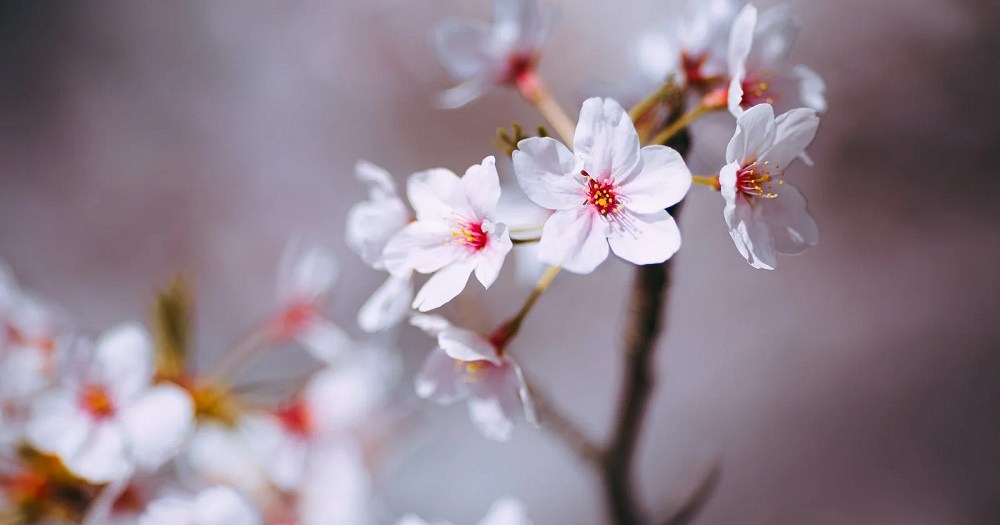
Each spring, a single tree in Tokyo decides when cherry blossom season officially begins. In 2026, that tree — a Somei Yoshino at Yasukuni Shrine in Chiyoda — carried sixty-one open blossoms when observers checked it on March 19, well past the five or six required to make the call, and Tokyo's start-of-season declaration was reported the following day. The news moved through the city the way it always does: quietly at first, then all at once, as the 桜 (sakura, cherry blossom) zensen, the cherry blossom front, began its climb north and west across the country. By most measures, the 2026 bloom arrived roughly five days ahead of the dates forecasters use as a long-term benchmark, an early spring that rippled into school calendars and office parties before the trees had even finished opening.
How One Tree Sets the Calendar for a Nation
The system behind the announcement is older and more deliberate than it might seem from the outside. Tokyo has used the same reference tree — 標本木 (hyouhonki, specimen/reference tree (used for bloom observation)), literally a specimen tree — at Yasukuni Shrine for decades, and the variety itself, Somei Yoshino, is the one that sets the tone for tracking and forecasting across the country. When observers count five to six open blossoms on that particular tree, the season is declared open, full stop. There is something I appreciate about the plainness of the rule: no committee vote, no marketing language, just a number reached on a specific tree in a specific place, checked in person, year after year, by someone whose only task that week is to stand under one tree and count.
Watching the Blossom Front Travel
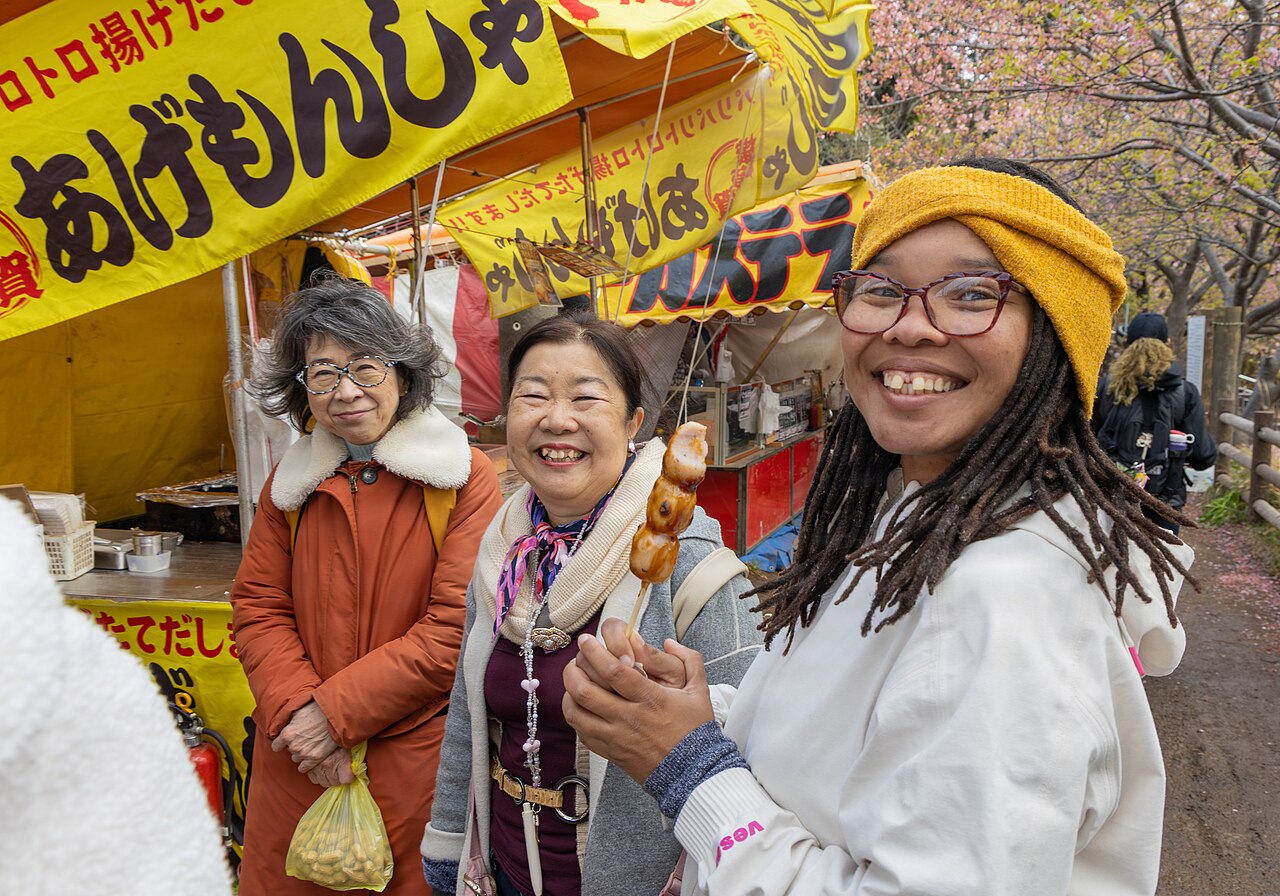
Once Tokyo makes its declaration, the rest of the country tends to follow in sequence. Osaka, Kyoto, Nagoya, and cities further along the line issue their own announcements as the 桜前線 (sakura zensen, cherry blossom front) moves through Japan, typically from late March into early May, with later blooms arriving in the north and at higher elevations. Two organizations track this migration, and it is worth keeping them straight, since the names invite confusion: the Japan Weather Association (Nihon Kishou Kyoukai), which monitors dozens of reference trees nationwide and holds decades of historical bloom data, is a distinct organization from the privately run Japan Meteorological Corporation, despite the overlapping vocabulary. Forecasters draw on this long record to project bloom dates months ahead, though the projections shift, sometimes considerably, as real weather asserts itself over statistical averages.
An Early Season and Its Small Disruptions
The 2026 bloom ran about five days ahead of the standard benchmark dates, a gap that sounds modest until it collides with a school calendar. Entrance ceremonies, which Japanese schools time to coincide with peak bloom as a matter of custom, had to shift earlier. Companies moved outdoor welcome parties for new hires up on the schedule. Television news, which treats the blossom front the way other countries treat an approaching weather system, spent days leading broadcasts with maps tracking its progress. None of this is unusual in years when the trees run early; the small adjustments have become part of the season's rhythm.
Where Tokyo Gathers for Hanami
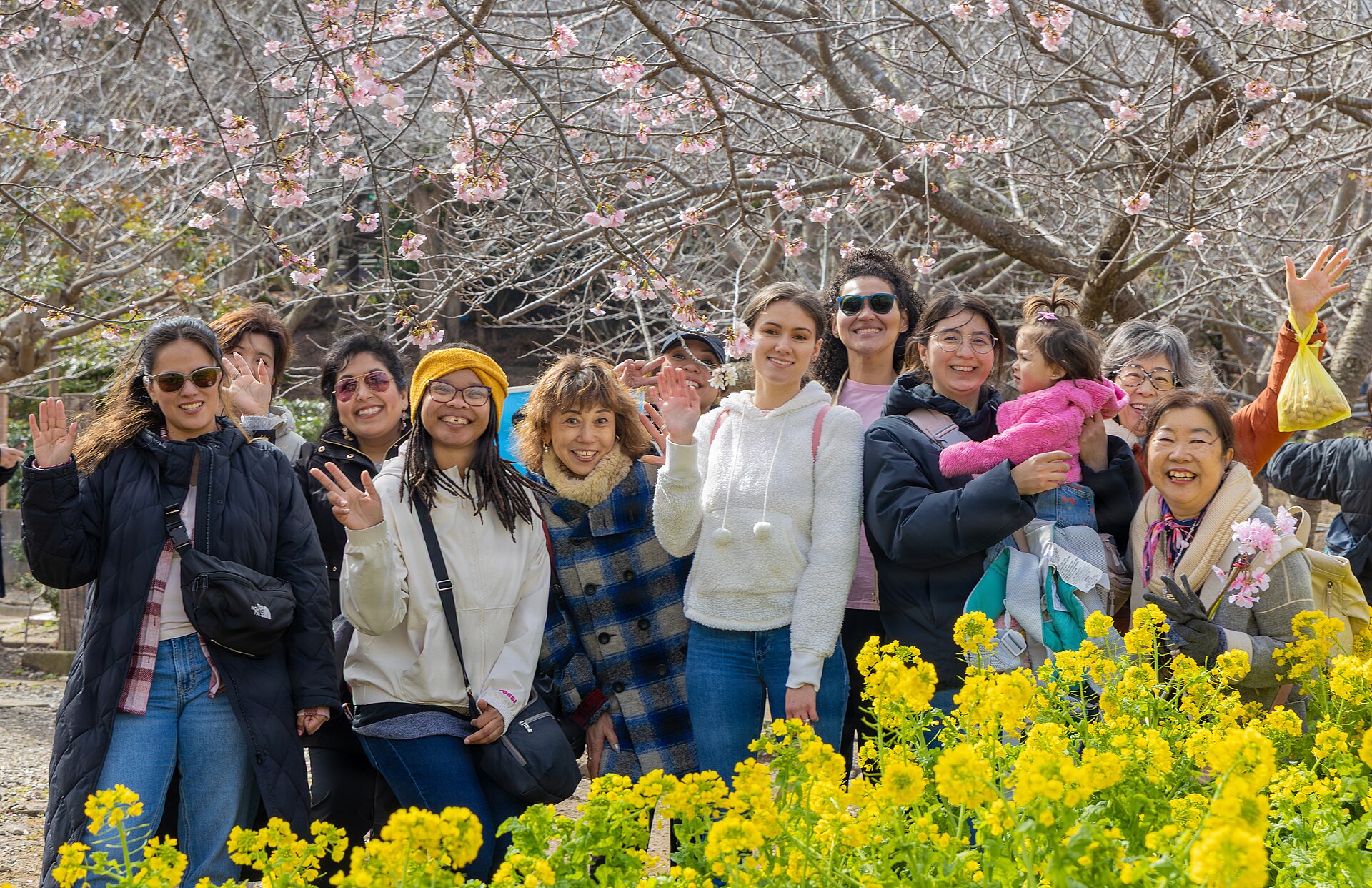
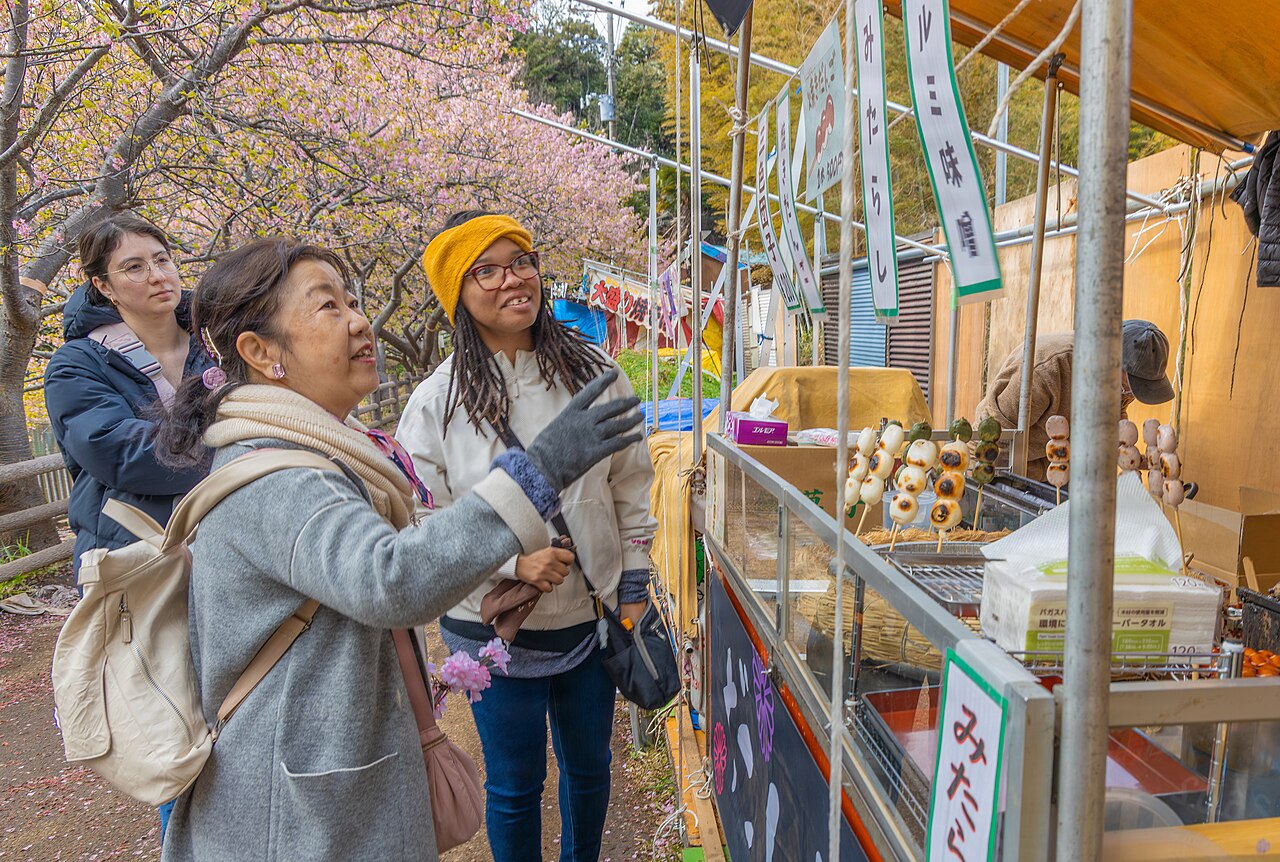
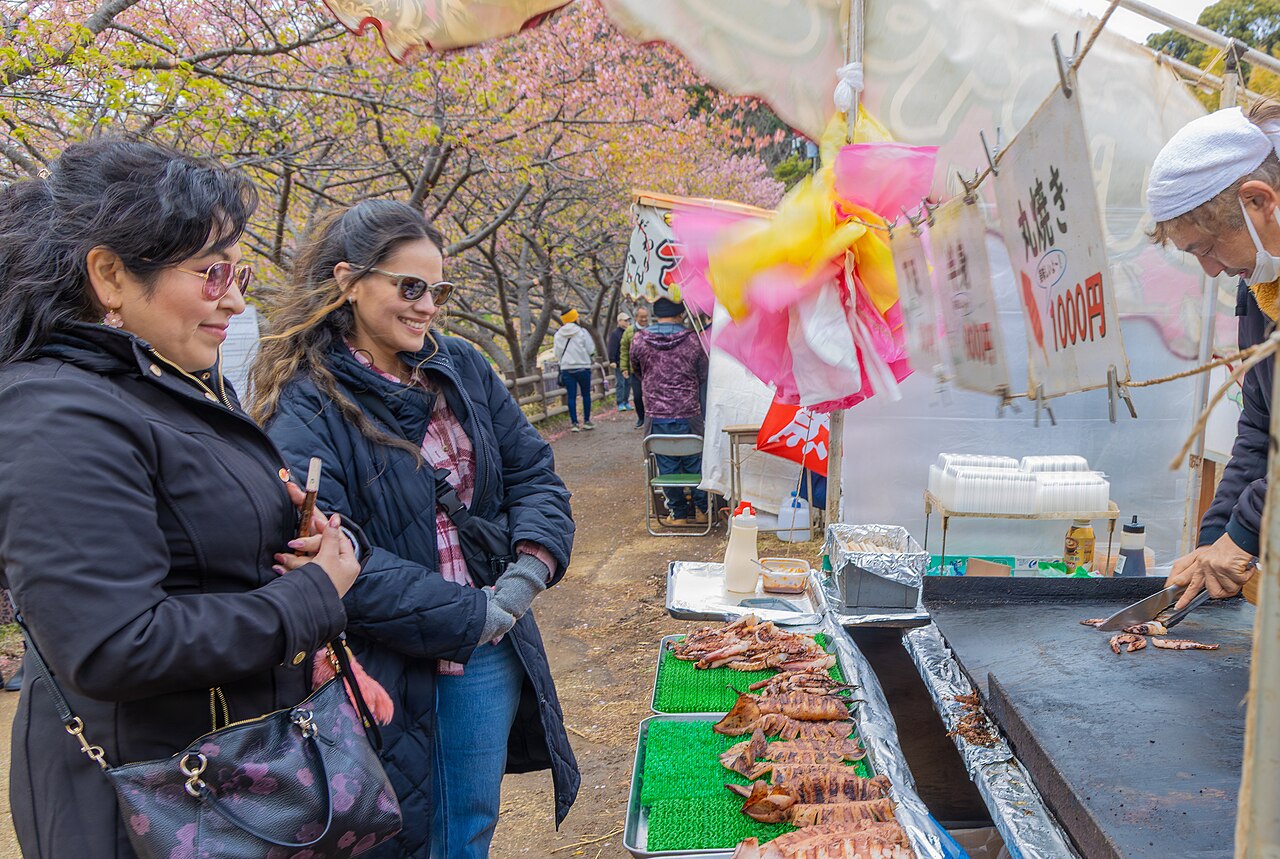
花見 (hanami, cherry blossom viewing), the practice of gathering to view the blossoms, draws people to a handful of Tokyo locations, each with its own character.
- Shinjuku Gyoen holds more than a thousand cherry trees across dozens of varieties, spread through a garden large enough that a crowded weekend still leaves room to find a quiet corner.
- Ueno Park is the louder gathering, tarps and folding tables under the trees, groups of coworkers and students settling in for the afternoon.
- Chidorigafuchi, the moat running along the Imperial Palace, lets visitors rent rowboats and pass beneath overhanging branches from the water, a slower way to take in the same trees.
Yozakura: The Blossoms After Dark
Daytime hanami is only half the season. 夜桜 (yozakura, cherry blossoms viewed at night), night viewing, changes the character of the same trees entirely: parks stay open past dusk with the branches lit from below, and the Meguro River is the place most people mention first, its lantern strings and the blossoms' reflection in the water drawing a steady procession of visitors along the banks each evening through the peak week.
A Ritual With Roots in the Nara Court
Hanami is not a modern invention dressed up as tradition. Its roots reach back more than a thousand years, to the Nara period, when aristocrats gathered under blossoming branches to compose poetry and mark the turning of the season. The practice belonged to the court for centuries before it spread outward; by the Edo period, hanami had become a pastime for the general public, no longer the province of nobility, and it has kept that broader shape ever since. Hanami, in other words, is less a single invention than a long cultivation, refined over twelve centuries by whoever happened to be standing under the branches that year. What strikes me, tracing the line from Nara-period poets to a folding table in Ueno Park, is how little the underlying impulse has changed: people still gather to notice something that will not last, and to say so to each other.
How to Get Started: Following the Season Yourself
There is no ticket to buy and no reservation required to take part in hanami; the entry point is simply attention. The Japan Weather Association and other forecasters publish bloom projections weeks ahead of the season each year, updating them as the date nears, so following along starts with checking those forecasts as March approaches and watching for a city's official declaration, usually Tokyo's or Kyoto's, as the signal that the front has begun moving. This is also an approachable entry point into Japanese vocabulary: sakura for cherry blossom, hanami for flower viewing, 満開 (mankai, full bloom) for full bloom, and 開花 (kaika, blossoming, opening of flowers) for the opening of the first flowers are words that recur every spring in weather reports and casual conversation alike, worth learning at even a beginner level before the next season, whether 2027 or beyond, arrives.