
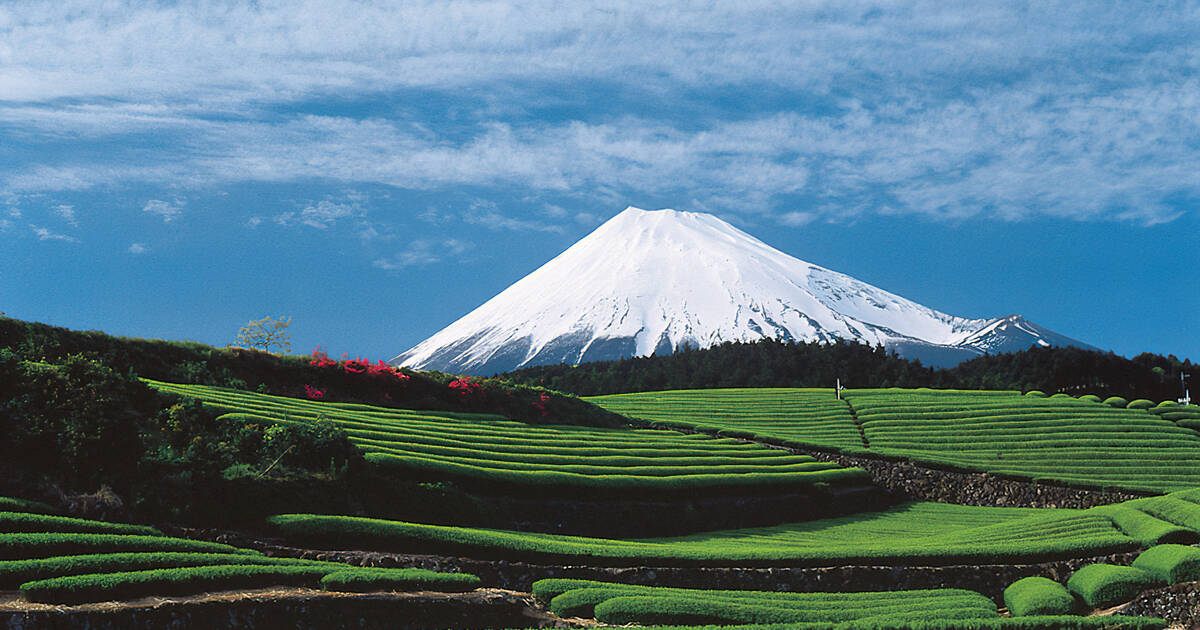
Why Mount Fuji in winter snow is a must-see
Question: have you ever seen a mountain that looks like a postcard even from 50 kilometres away? The reason is simple: Mount Fuji rises to 3,776 metres, and in winter, its summit is usually covered in 雪 (yuki, snow) from around November to May, with the most consistent snow from December to February.
The first time I went to Japan, I remember waking before sunrise to chase a clear view, and that memory stuck with me. Take clear winter mornings, for instance; they often follow a cold front and bring low humidity, which means crisp air and long-distance visibility from Tokyo to Shizuoka.

Fun fact: Mount Fuji became a UNESCO World Heritage Site in 2013 as 'Fujisan, sacred place and source of artistic inspiration'. That recognition helps explain why photographers and history fans travel here in winter. Convinced yet?
Top viewing spots and photo tips for a snowy Mount Fuji
Here's the thing: not every viewpoint is the same, and your shot depends on distance, angle, and foreground. A great example is Chureito Pagoda in 富士吉田 (Fujiyoshida, Fujiyoshida (city)), which gives you the classic multi-layered composition with the pagoda, trees, and the snow-capped peak. It's ideal at sunrise or during 桜 (sakura, cherry blossom) season.
Chureito Pagoda, Arakurayama Sengen Park
Direct address: if you want the famous layered photo, climb the 400 steps early. Bring a 24-70mm for the wide composition and, if you have it, a 70-200mm for compressed mountain telephoto shots. My tip? Arrive 60 minutes before sunrise in December to secure a spot and watch for frost on the steps.
Kawaguchiko and the Fuji Five Lakes
Anecdote: I rented a bike around 河口湖 (Kawaguchiko, Lake Kawaguchi) one cold morning, and every turn offered a new Fuji frame. Take Lake Kawaguchi, for instance; the reflections are strongest on calm mornings, and many ryokan offer rooms facing the lake for an extended view. Sounds good, right?



Hakone and coastal viewpoints
Fact: 箱根 (Hakone, Hakone) is closer to Tokyo and offers viewpoints like the Hakone Ropeway and Sengokuhara, where you can mix onsen scenes with distant Mount Fuji. The reason is simple: altitude and clear inland air after winter storms often reveal Fuji from Hakone on cold mornings. Wait, there's more.
Practical travel tips, timing and language notes
Here's the kicker: checking the weather beats wishful thinking, so use the Japan Meteorological Agency and local webcams to predict visibility. Seriously though, clear skies are rare after heavy snowfall, so flexibility matters.
What I especially like is staying in a Kawaguchiko-area ryokan with an onsen. It's the travel ritual that turns a single photo into a whole memory. Insider tip: ask staff in ローマ字 (romaji, romanization; Latin script). Say '明日 (ashita, tomorrow) wa yuki あります (arimasu, there is; exists) ka' if you want to practice romaji phrases; locals appreciate the effort. Sounds weird, but it's true.
Here's the thing: transport options include taking the JR Chuo Line to Otsuki, then transferring to the Fujikyuko Line to Kawaguchiko, or using highway buses from Shinjuku, which take about 2 hours. That makes day trips possible from Tokyo, but overnight stays give you the sunrise advantage and longer windows of opportunity.
My tip? Bring layered clothing, a tripod, and a lens cloth. Also, bring a spare battery; cold drains them fast. Take a camera with manual exposure control and underexpose slightly to preserve highlight detail in the snow-capped summit. Convinced yet?
Frequently Asked Questions
When is the best time to see Mount Fuji covered in snow?
Short answer: December to February usually has the most reliable snow cover and clear air for views.
Can I see Mount Fuji from Tokyo?
Short answer: Yes, on very clear winter days, you can see Mount Fuji from Tokyo locations like Odaiba and Tokyo Skytree, but views are clearer from the Fuji Five Lakes area.
Do I need a car to get good photos?
Short answer: No, public transport plus local buses and short walks get you to top viewpoints like Chureito Pagoda and Kawaguchiko.
Sources
- Nicko Cruises Facebook post
- UNESCO: Fujisan, sacred place and source of artistic inspiration
- Japan Meteorological Agency


