Nankai Electric Railway revives the dining car tradition
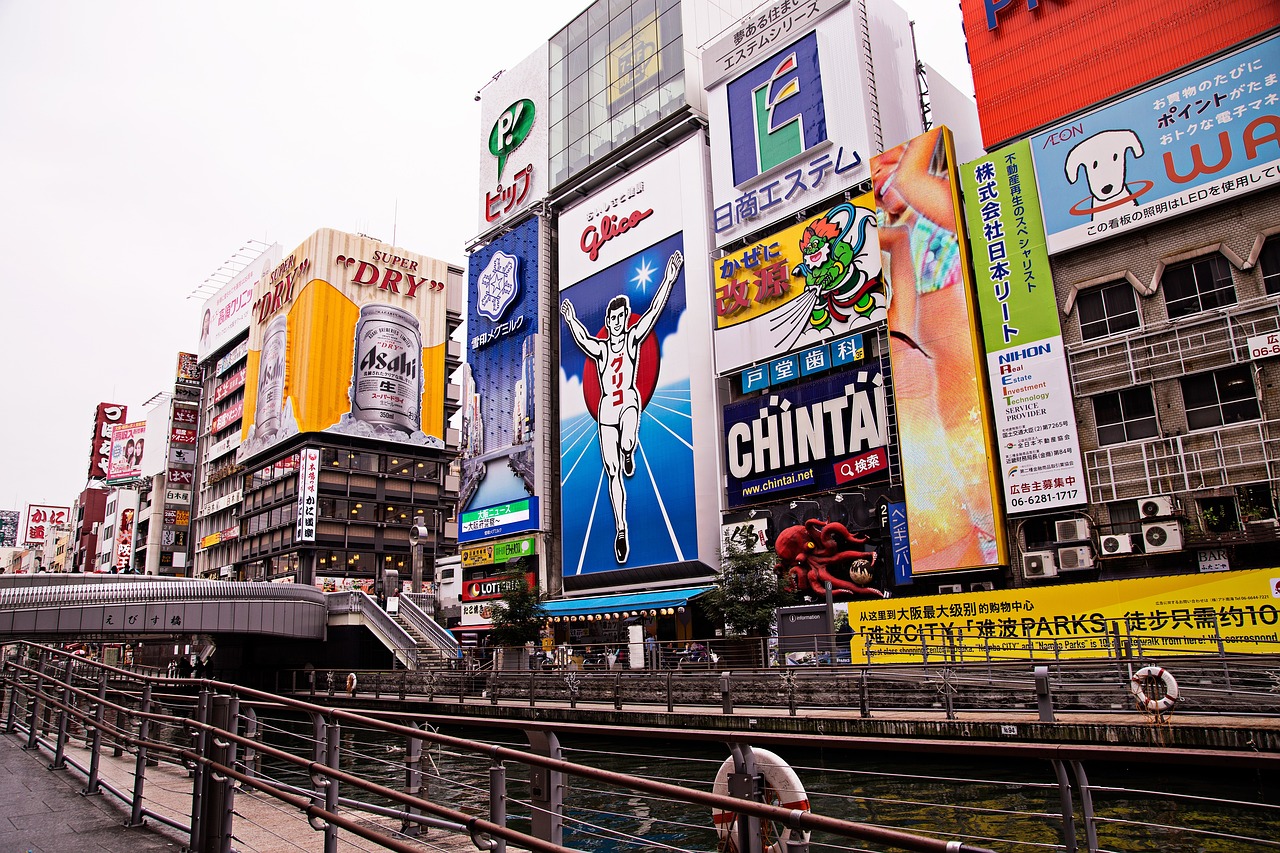
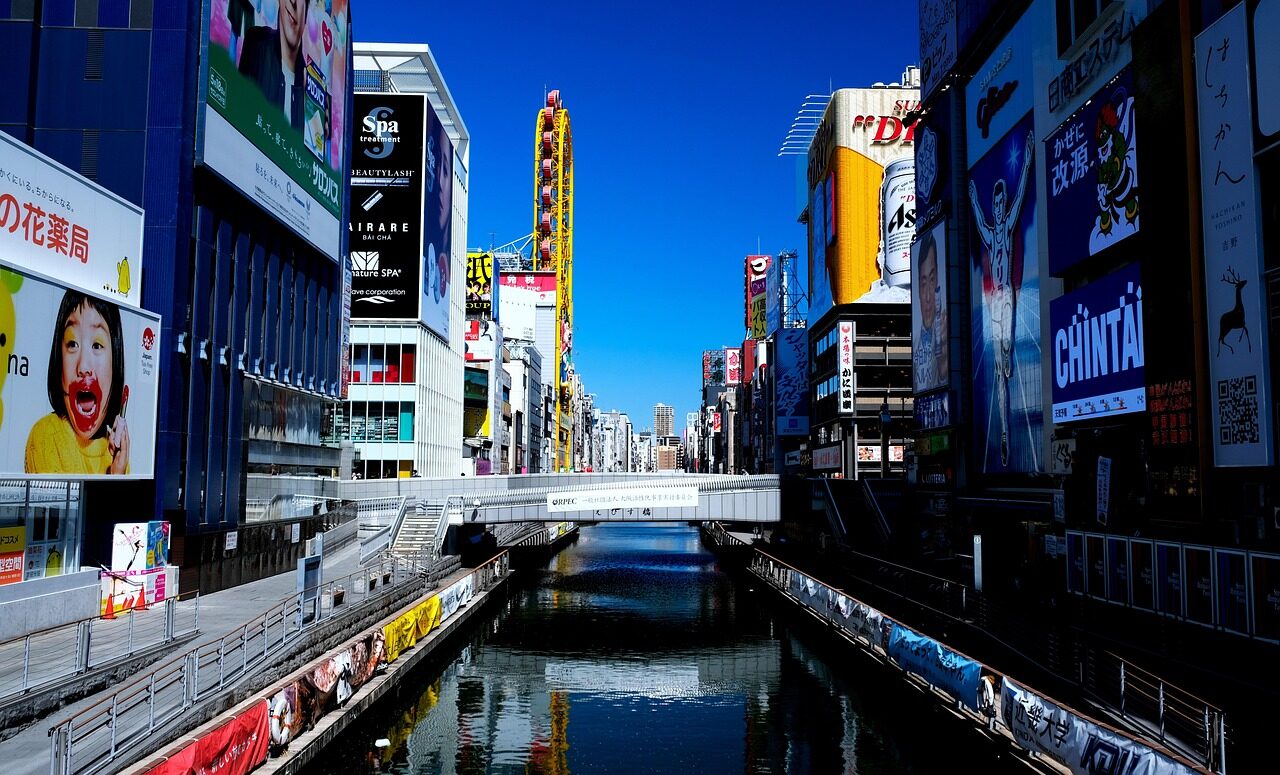
Here's the deal: Nankai Electric Railway, the private operator serving Osaka 難波 (Namba, Namba district), 関西 (Kansai, Kansai region) Airport, and 和歌山 (Wakayama, Wakayama area/prefecture), has announced a sightseeing train concept that brings back an on-board dining car after about a century. For context, early 20th-century intercity trains sometimes featured dining cars, but modern Japanese private railways largely phased them out. The reveal came in a video posted on YouTube, so check out Nankai's official video for footage and early renderings.



Fun fact: Nankai's core routes include the Nankai Line from Namba to Wakayama and the access line to Kansai Airport, which means potential scenic legs along Osaka Bay and coastal Wakayama. This brings us to why this matters, beyond nostalgia. My verdict? It's a clever way to package regional tourism and food culture while giving train fans something special.
What the new dining car experience promises
So, what will you actually eat and see on board, and how will the service work? For example, Nankai's teasers show spacious seating with tables, large windows for sightseeing, and a dedicated carriage for served meals. It echoes classic dining car layouts but is updated for today's travellers.
Let me show you why this matters for travel lovers. Expect a focus on local Wakayama ingredients, seafood, and fruit specialties like mikan and ume products, presented as lunch or tasting menus during selected runs. Here's the kicker: unlike a standard 駅弁 (eki-ben, station 弁当 (bento, boxed lunch)) or bento bought at a station, this aims to give you a multi-course 食事 (shokuji, meal / dining) with service by staff walking the carriage, which is rare on private railways these days.
Menu highlights and regional ties
On a related note, Nankai is likely to partner with local producers and restaurants, a common approach for sightseeing trains in Japan. For instance, other regional railways have offered sake tastings and seasonal kaiseki-style plates, so think curated menus that showcase Wakayama's agricultural and coastal specialties. What I especially like is that this is a tasty way to practice practical nihongo phrases like ordering and thanking staff, using romaji phrases such as "sumimasen, menyuu wo misete kudasai" in a real setting.
Interior design and passenger flow
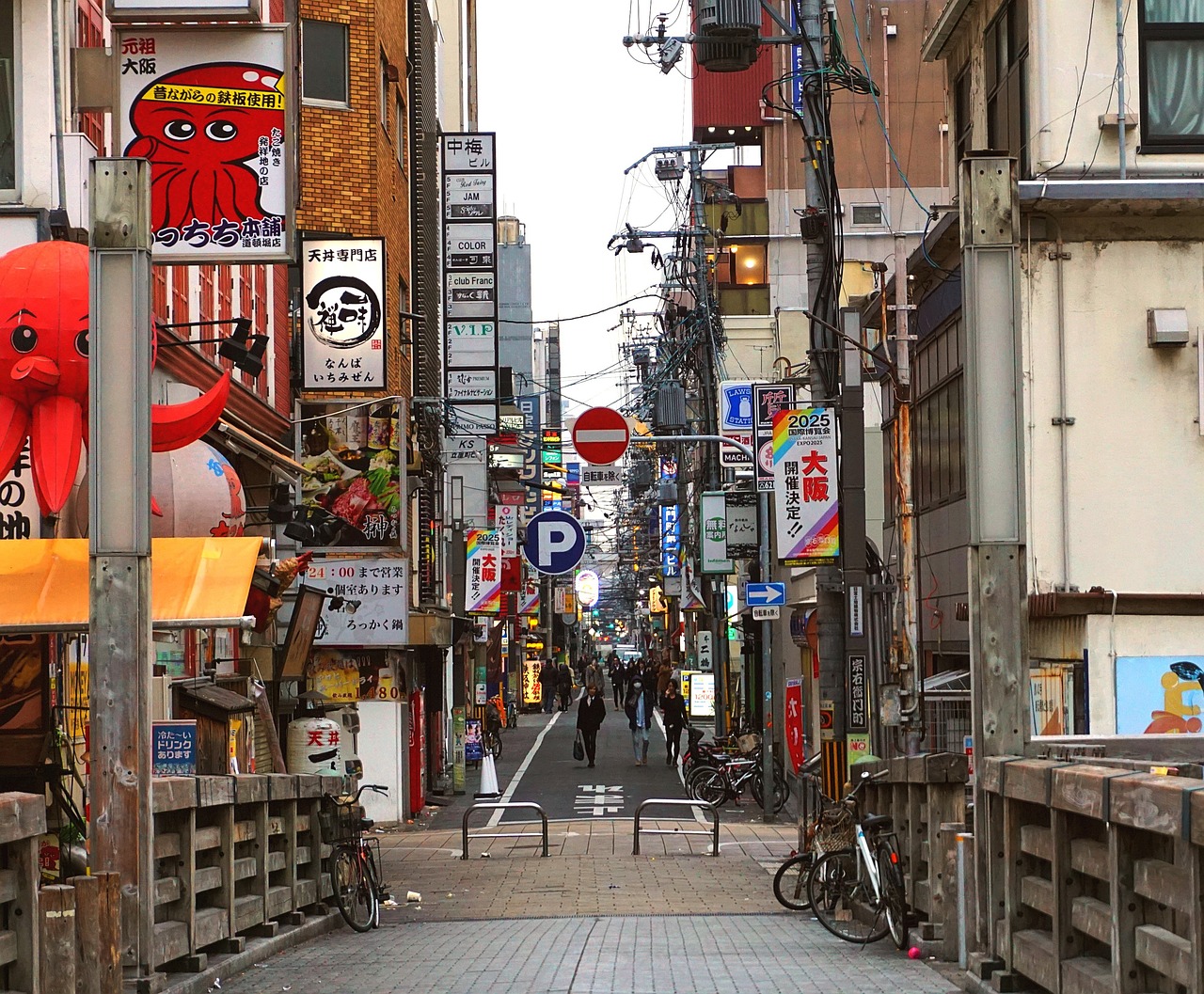
Imagine a narrow alley in Tokyo, then contrast that with wide, airy carriage interiors aimed at relaxing travel. The promotional images point to modular seating and flexible table layouts, letting groups reserve entire compartments or single seats at a table. Quick detour: accessibility features and luggage space will be essential since Nankai serves airport travellers as well as tourists heading to Wakayama.



Why train fans and language learners should care
If you love trains or are learning Japanese, this is a small cultural event. You can study 電車 (densha, train) vocabulary, practise phrases at the counter, and compare real menus with romaji translations. From my experience, riding a themed train teaches context faster than flashcards because you use words in real interactions.
Here's the kicker: sightseeing trains become moving classrooms. Staff announcements often include polite keigo, and printed materials might list ingredient names and place names that are excellent vocabulary practice. My tip? Bring a small notebook and jot down words like "densha" for train, "shokuji" for meal, and "eki" for station as you travel.
Practical notes for planning a trip
I still remember exactly how sold-out themed trains can be, so plan ahead. Expect limited runs, reservation-only seating, and premium fares similar to other private railway sightseeing services. While we're at it, check Nankai pickup points and whether special tickets are sold at Namba station counters or only online.
On a related note, timing matters. If Nankai ties the dining carriage to seasonal events, cherry blossom or autumn leaf viewing windows will be the busiest. Highly recommended: book well in advance and follow Nankai's official channels for launch dates and reservation windows.
Convinced yet? This project blends railway preservation with modern tourism, creating a rare opportunity to taste regional food while watching the Kansai coastline unfold. It's simply brilliant for train nerds and travel gourmets alike.
Frequently Asked Questions
When will the Nankai dining car start running?
Short answer: Check Nankai's official announcements and their YouTube channel for confirmed launch dates.
Do I need a reservation to ride the dining car?
Short answer: Most sightseeing dining trains require reservations, so expect limited-seat bookings and premium pricing.