What Is an Akiya – and Why Does Japan Have So Many?
The word 空き家 (akiya, vacant house) or "abandoned home" is one of the most talked-about terms in contemporary Japanese society. According to Japan's Ministry of Internal Affairs and Communications, there were approximately 8.49 million akiya across the country as of the 2018 Housing and Land Survey – a number that has only grown since. That represents roughly 13.6% of all housing stock in Japan.
The reasons are deeply structural. Japan's population has been shrinking since 2008, and rural depopulation has accelerated as younger generations move to Tokyo, Osaka, and other metropolitan centres. When elderly homeowners pass away, their children – who have long since relocated – often have little interest in inheriting a draughty old farmhouse hours from the nearest shinkansen station. Japanese inheritance tax law can also make it financially painful to hold onto rural property, so homes simply sit empty, sometimes for decades.
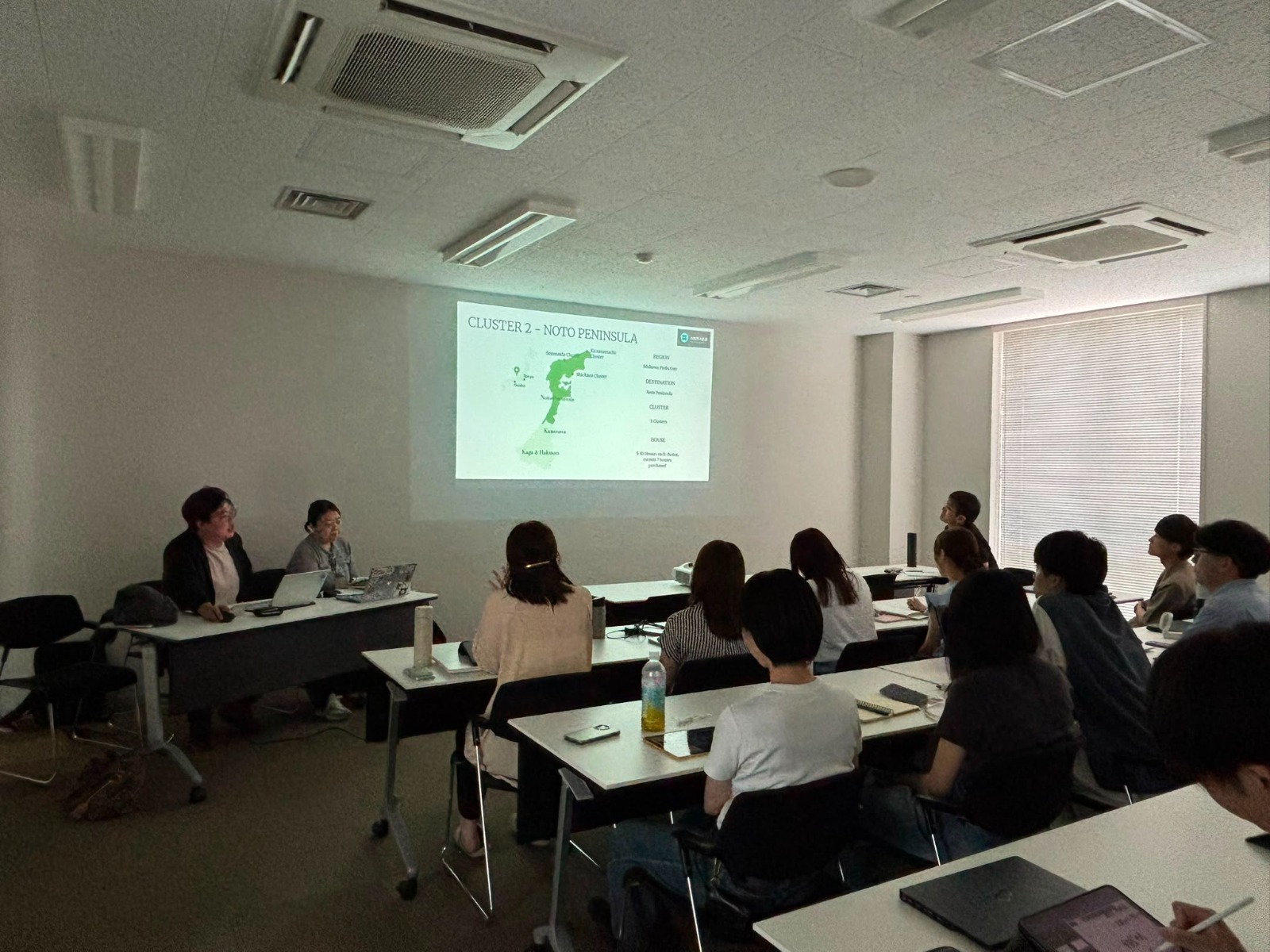
Several municipalities have responded by setting up 空き家バンク (akiya banku, vacant house registry) – online databases where owners list their properties, often at staggeringly low prices or even for free, in exchange for a commitment to renovate and actually live in the home.
The First Walkthrough: What You Actually Find Inside
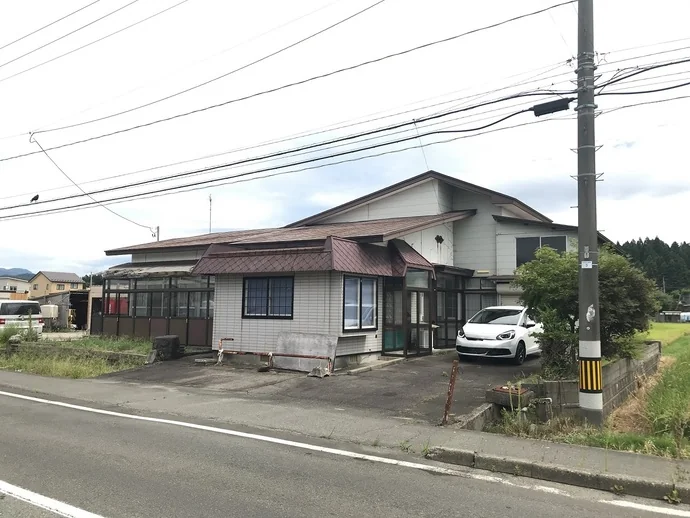
The YouTube channel behind this particular journey documented the very first visit to a house that had been taken over completely free of charge – no purchase price, just an agreement with the local authority. The property is located in a rural area of Japan, the kind of neighbourhood where the surrounding rice paddies outnumber the residents and the nearest convenience store is a ten-minute drive away.
The Exterior: Charm and Decay Side by Side
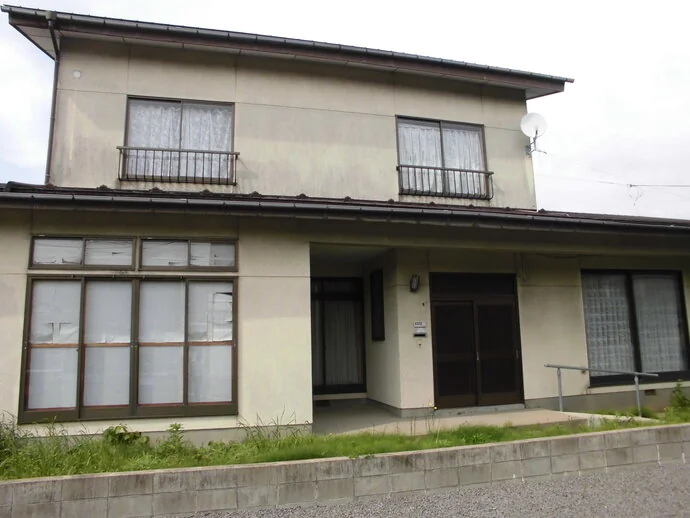
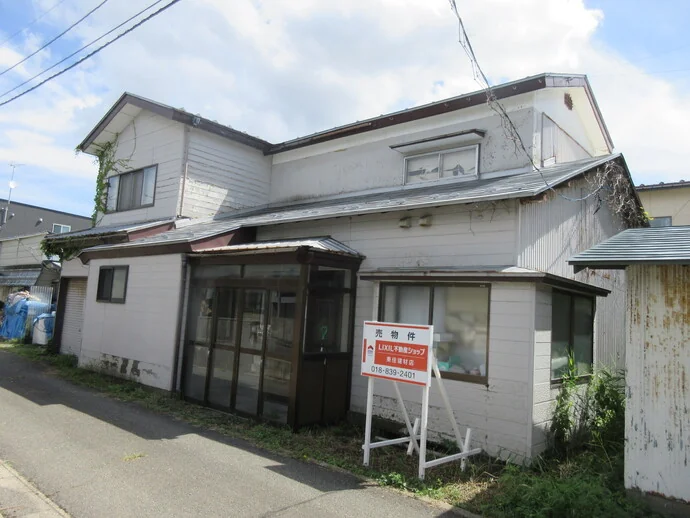
First impressions on the outside are a classic akiya mix of faded beauty and visible neglect. The roof – a traditional 瓦 (kawara, roof tile) style common in older Japanese residential architecture – is mostly intact, which is actually a significant relief. Roof replacement in Japan can run anywhere from ¥500,000 to well over ¥2,000,000 depending on the size and material. The garden has gone completely wild, with knee-high weeds reclaiming what was once clearly a carefully tended space. A stone lantern still stands near the entrance, cracked but upright – quietly beautiful in its abandonment.
Stepping Inside: The General Condition
The interior tells a layered story. The genkan (entrance hallway) is intact and the original wooden sliding doors – 引き戸 (hikido, sliding door) – still function, though they stick badly in the humidity. Beyond that, the tatami rooms show the typical damage you'd expect from years without ventilation: green patches of mould creeping up the walls, tatami mats that have softened and warped beyond use, and a faint but persistent smell of damp earth.
The kitchen and bathroom are clearly original fittings from the 1970s or 1980s, which means they are functional in a basic sense but wildly outdated. The toilet is a squat-style unit, and the bathroom features a traditional deep soaking tub – a ofuro – that is still structurally sound. Electrics and plumbing have not yet been fully assessed at this stage of the walkthrough, which is important: these are the hidden costs that can turn a free house into a very expensive project.



The overall impression after the first walkthrough is cautiously optimistic. The building's bones – its structural walls, foundation, and roof – appear solid. That is the single most important factor when evaluating any akiya. Cosmetic renovation is expensive but manageable; structural repairs can be ruinous.
Why Akiya Houses Are Capturing Global Attention
Interest in akiya has exploded internationally over the past few years, driven partly by remote work flexibility and partly by disillusionment with sky-high property prices in Western cities. Communities on r/movingtojapan regularly feature threads from people planning their own akiya projects, and several English-language YouTube channels have built substantial audiences around the renovation journey.
For Japanese language learners, the akiya world is also a surprisingly rich vocabulary territory. Understanding words like リノベーション (rinobeeshon, renovation) (a loanword from English), or terms related to traditional Japanese architecture, gives learners real, practical language that connects them to a living slice of modern Japan rather than textbook abstractions.
It's worth being clear-eyed about the challenges, though. Free does not mean cheap. Renovation costs in Japan for a property of this size and condition realistically range from ¥2,000,000 to ¥10,000,000 or more. Local governments sometimes offer subsidies – up to ¥1,000,000 in some municipalities – to encourage young families or migrants to settle in depopulating areas, but bureaucracy can be formidable, especially for non-Japanese speakers. Visa status is another practical hurdle: you generally need long-term residency rights to purchase or take on property.
None of that dampens the core appeal. There is something quietly radical about walking into a forgotten house in rural Japan, still full of the ghost of someone else's life, and imagining it full of light and noise again. That first walkthrough – cautious footsteps on creaking floors, the smell of old tatami, the view of an overgrown garden through a dusty shoji screen – is the beginning of something genuinely transformative.
Find more Japan news on jpnerd.com.
In pictures
Frequently Asked Questions
Can foreigners legally take over a free akiya house in Japan?
Yes, in principle. There are no laws barring foreigners from owning property in Japan. However, you typically need a valid long-term visa or residency status, and the registration and acquisition process involves Japanese-language paperwork. Hiring a bilingual gyōsei shoshi (administrative scrivener) or estate agent experienced with foreign clients is strongly recommended.
How do I find akiya listings in Japan?
The best starting point is the official Akiya Bank network managed by individual municipalities. There is also a national aggregator at akiya2.com aimed at international buyers. Some prefectures, such as Nagano, Okayama, and Wakayama, have particularly active listings. Expect listings in Japanese, so basic reading ability or a translation tool is essential.
What are the biggest hidden costs of a free house in Japan?
The most significant expenses tend to be full electrical rewiring (¥500,000–¥1,500,000), plumbing overhaul, roof repairs if needed, and full tatami and floor replacement. Asbestos inspection is also legally required for older buildings before renovation work begins. Budget conservatively: assume at least ¥3,000,000–¥5,000,000 for a property in moderate condition.