
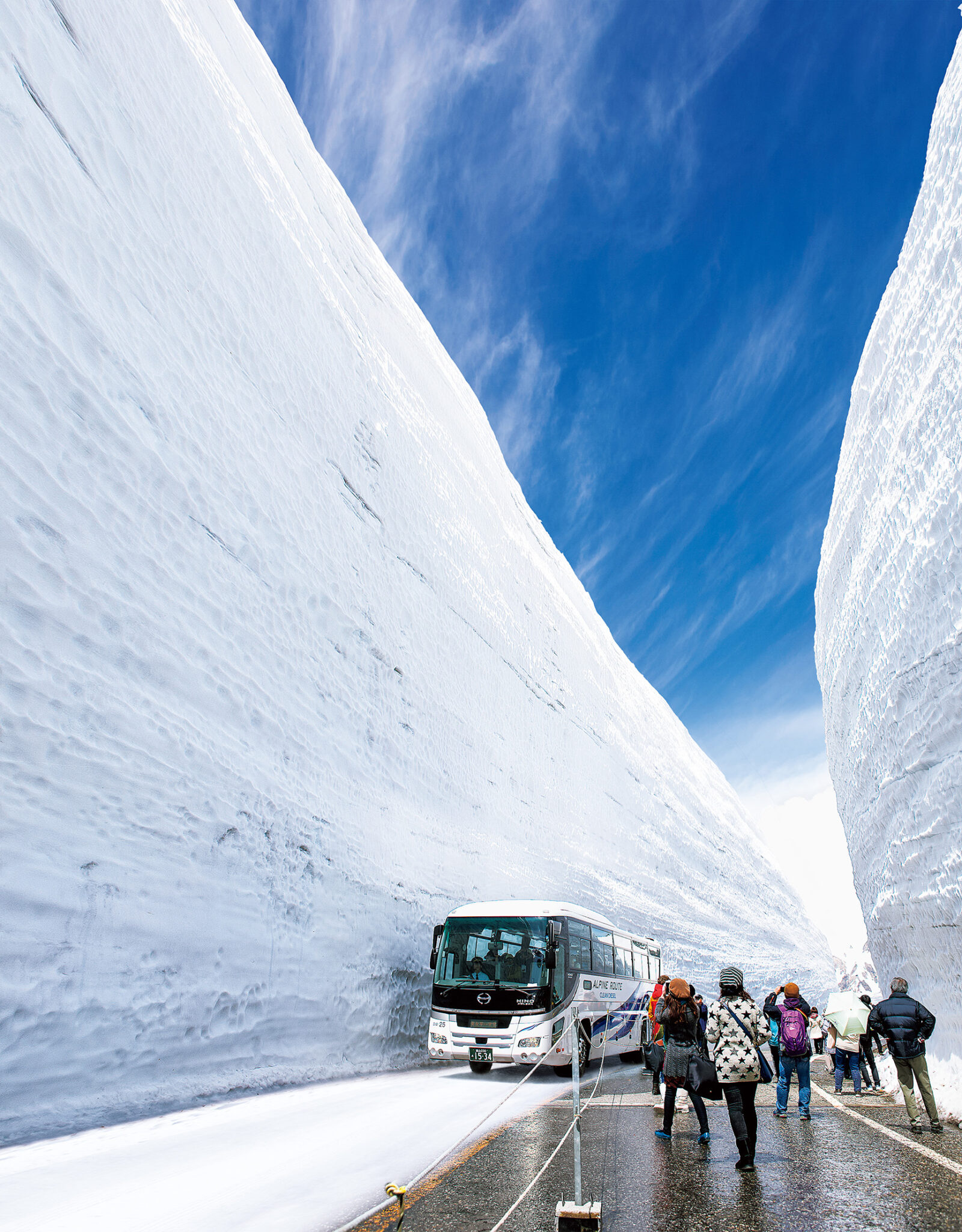
Why Hokkaido and Hiroshima are moving up the travel map
Did you know that 北海道 (Hokkaido, Hokkaido) and 広島 (Hiroshima, Hiroshima) are seeing noticeably stronger interest from travellers this year? Tourist search data and hotel booking trends show spikes for 札幌 (Sapporo, Sapporo) and Hiroshima city outside the usual Tokyo and Osaka hotspots, and local governments are responding.



Imagine a narrow alley in Tokyo. Now picture an open field of lavender in 富良野 (Furano, Furano) or the oyster stalls near Hiroshima's waterfront. Different kinds of appeal are pulling different audiences. The growing popularity isn't random; it's partly policy-driven and partly experience-driven. Sounds good, right?
Hokkaido: nature, long seasons and winter upgrades
I still remember exactly how amazed my friends from Europe were by Hokkaido's scale after their first visit. Ski resorts on ニセコ (Niseko, Niseko) and family-friendly onsen in 登別 (Noboribetsu, Noboribetsu) attract niche travellers willing to spend on comfort. Local councils are using new tax revenue to improve road access, signage, and multilingual services. From my experience, better public transport makes a weekend trip into a relaxing mini-adventure.
Hiroshima: history, food and urban renewal
Here's the thing: Hiroshima mixes sobering history with energetic food scenes and island-hopping in the Seto Inland Sea. The city has been reinventing visitor offerings around peace tourism, contemporary museums, and gastronomic draws like okonomiyaki. By investing lodging-tax revenues into ferry terminals and museum upgrades, the region is packaging more reasons to stay longer. Wait, there's more.
Twenty regions introduce lodging tax: what that means
Unlike what we're used to, this wave affects twenty separate regions that will collect a new lodging tax to fund travel upgrades, according to reporting by Travel and Tour World. The policy goal is straightforward: use small nightly fees to cover infrastructure, accessibility, and quality improvements.
Quick detour: Kyoto and several big cities already had local accommodation levies, and now more prefectures want a steady revenue stream to boost regional stays.
How much will travellers pay?
Here's the thing: exact rates will vary by region and property type, and many decisions are being made locally rather than nationally. Some places will charge a few hundred yen per night, while others will scale by room rate. This creates a patchwork where budgeting for a trip requires checking local rules. My tip is to always check your booking confirmation for a line item about lodging tax before you finalise a trip.
The best part? Most of this money is earmarked for concrete projects, not just general budgets, so travellers may see direct benefits like better signage, upgraded public restrooms, and more English-language support. From my experience...



Upgrades to travel offerings and what travellers will notice
Speaking of which, a priority for many regions is upgrading the visitor experience around ryokan, small hotels, and rural tourism. Funds will help renovate aging ryokan, improve onsen facilities, and create accessible pathways for older visitors.
Question: will lodging tax make Japan more expensive for budget travellers? The short answer is no for most cases. Many tax amounts are modest and aimed at funding services that actually reduce friction for travellers, like improved transit connections and better waste management at popular sites.
Concrete upgrade examples
By the way, expect projects like expanded tourist information centres in Sapporo, ferry terminal renovations around Hiroshima's islands, and new digital signage in English and other languages in regional train stations. These are the types of upgrades that directly address feedback we see in forums like r/JapanTravel and YouTube channels that cover regional travel tips.
My tip: book with hosts who clearly state whether lodging tax is included, and consider staying one extra night outside major hubs to experience upgraded regional offerings. What I especially like is that quieter neighbourhoods near local markets often reveal authentic food experiences, and that’s part of why this regional shift is exciting.
Before I forget, if you're learning Japanese, staying in different regions gives you the chance to hear regional accents and vocabulary in romaji, which enriches study and understanding.
Quick detour: travel planners and study-abroad advisors should watch for these changes because the lodging tax era is likely to push more international visitors to places that invest in visitor infrastructure. Wait, there's more.
Frequently Asked Questions
What is the lodging tax?
The lodging tax is a small nightly fee collected by regions to fund travel infrastructure and tourism services.
Which regions are introducing the tax?
Twenty regions across Japan have announced new lodging taxes, with Hokkaido and Hiroshima among the leading areas for recent investment.
Will this make travel much more expensive?
Most taxes are modest and meant to improve services that make travel smoother, so overall increases are usually small.

