
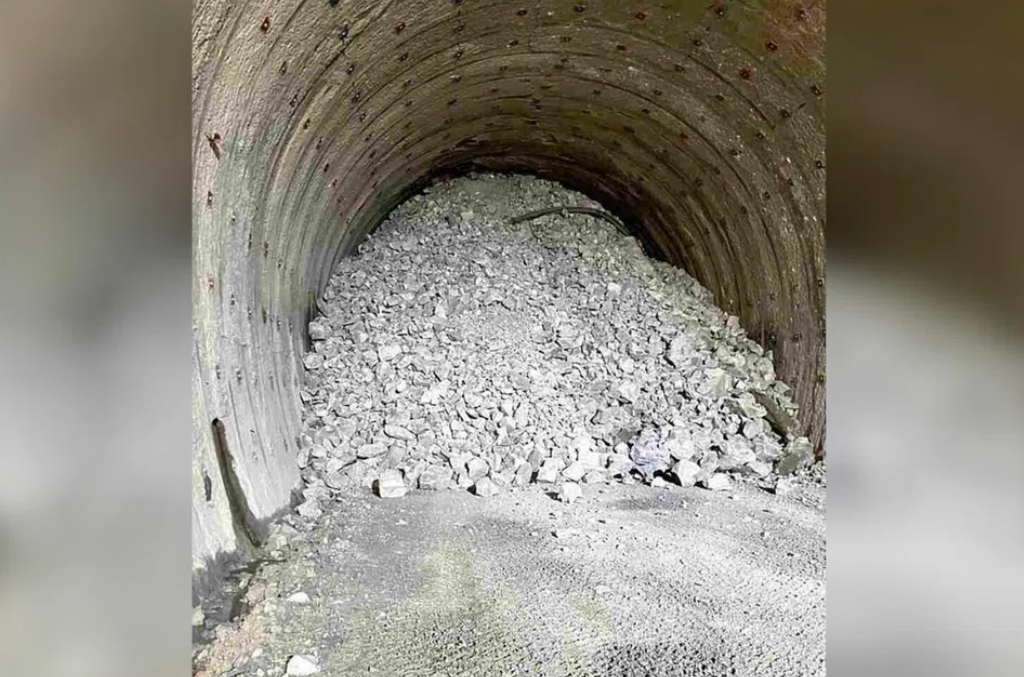
What happened at the Otaru excavation site
Guess what? On April 8, 2026, local media reported a ceiling collapse inside an excavation for the 北海道 (Hokkaido, Hokkaido) 新幹線 (shinkansen, bullet train) extension near 小樽 (Otaru, Otaru), Hokkaido, according to The Star. To be fair, emergency crews responded quickly, and initial updates from the contractor said there were no confirmed fatalities at the site.



Here's the thing: the collapse involved a portion of the tunnel ceiling giving way and loose soil moving into the excavation, not a full collapse of a completed tunnel lining, according to on-site reports. No exaggeration: this kind of incident still risks major delays when it happens in hard-to-access, urban-adjacent areas like Otaru.
Technical details: tunnel excavation, ceiling failure and soil conditions
The first time I went to Japan, I rode the shinkansen between Tokyo and Kyoto and thought about the engineering under my feet. Here's the deal: tunnel boring and cut-and-cover sections for the Hokkaido Shinkansen extension face a mix of volcanic deposits, marine clays, and pockets of loose soil on Hokkaido's coast, making temporary supports vital.
Ceiling collapse mechanics
Unlike what we're used to on finished tunnels, excavation zones rely on temporary roof supports and shotcrete until permanent lining is installed. What many overlook is that a failure in temporary supports combined with saturated soil can cause a sudden roof drop, bringing in soil and debris. Pro tip: engineers monitor ground vibration and groundwater closely, but surprises still occur in complex geology.
Soil and groundwater influence
Picture this: water-saturated tephra layers and older marine sediments near Otaru, then add heavy rainfall or thawing permafrost effects, and you have higher hydrostatic pressure on excavation faces. Oh, I almost forgot: Hokkaido's winter freeze-thaw cycles complicate construction windows, increasing the chance that a weakened section slips when it’s least expected.
Impact on the Hokkaido Shinkansen extension and commuters
How will this affect travel plans? Here's the deal: the Hokkaido Shinkansen extension project aims to reach 札幌 (Sapporo, Sapporo) from Shin-Hakodate-Hokuto, and Otaru sits on a logical route for tunnel alignment or portals. Delays at one excavation can ripple across schedules, bidding, and seasonal work.
To be fair, contractors typically pause work for safety checks, forensic engineering, debris removal, and redesign of temporary supports. No exaggeration: that can mean weeks or months depending on damage, inspections, and regulatory reviews by local authorities.



Safety response and investigation
Guess what? Local authorities and the construction firm launched an investigation, inspecting monitoring logs, worker statements, and the temporary support design. My tip: expect public releases to include photos of the failed section, a timeline of events, and lists of corrective actions; those are common in Japan to reassure residents and regulators.
What this means for Japan fans and language learners
Are you a Japan fan who studies words while following news? Highly recommended: use this story to learn practical romaji vocabulary while reading reports. For example, tonneru means tunnel, shinkansen is the bullet train, kensetsu covers construction, and dokkai refers to collapse in casual reading. Personally, I use real news to practice headline-style reading and target new vocab.
What many overlook is that following infrastructure stories helps you learn dates, place names, and verbs in context, plus cultural facts about public trust in rail safety. The Hokkaido Shinkansen is a high-profile national project, so updates show how Japan balances speed, safety, and engineering pride. But that’s not all.
What I especially like is how local towns like Otaru balance heritage tourism with modern infrastructure because cultural preservation and big projects often intersect in Japan. Wait, there's more.
Finally, practical advice for travellers: check JR Hokkaido press releases and local municipal pages if you're planning trips, and expect contingency transport during any major construction-related disruption.
Frequently Asked Questions
Was anyone injured in the collapse?
Short answer: initial reports said there were no confirmed fatalities, but local authorities will provide updates after the investigation.
Will this stop the Hokkaido Shinkansen project to Sapporo?
Short answer: not necessarily, but the collapse could cause delays while safety and design reviews are completed.


