
What the Odakyu Hakone surround-sound gondola actually is
Picture this: a glass-sided gondola floating over 箱根 (Hakone, Hakone) views, but with a built-in surround-sound system that plays location-aware audio. The operator is Odakyu Electric Railway, the company behind Romancecar limited-express services into Hakone, and they’ve retrofitted a sightseeing gondola to include speakers and custom programming.



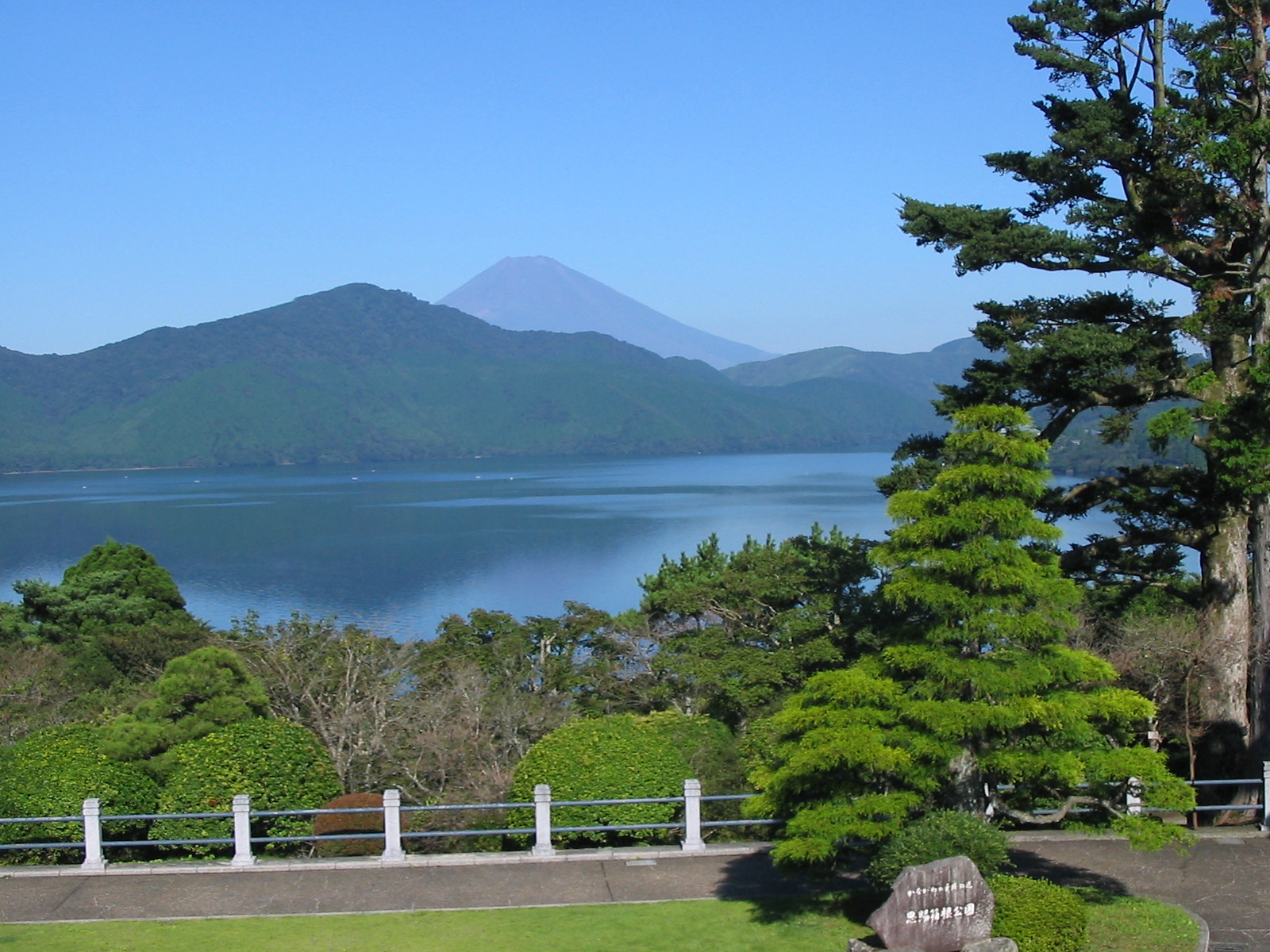
Fun fact: the audio package combines narration about local landmarks with short music tracks chosen to match the mood of each segment. Riders can expect commentary in multiple languages on selected runs. A great example is when the gondola passes the ridge above 芦ノ湖 (Ashinoko, Lake Ashi); the soundtrack shifts to a quieter narration about the lake's history and sightlines.
Route details and how this fits into Hakone tourism
What most people don't know is that Hakone is not just about onsen and ryokan; it has layered experiences from volcanic valleys to modern art. The gondola route links parts of the Hakone 観光 (kankou, sightseeing; tourism) loop near tourist hubs like Hakone Open-Air Museum, 大涌谷 (Owakudani, Great Boiling Valley), and Ashinoko. No wonder these views make the audio commentary feel more immersive.
The reason is simple: visitors already travel to Hakone from central Tokyo on Odakyu's Romancecar in roughly 85 minutes from 新宿 (Shinjuku, Shinjuku) to 箱根湯本 (Hakone-Yumoto, Hakone-Yumoto), then connect to local transport. To be fair, not every run will have full surround-sound programming, so check Odakyu's schedule for special gondola services and language options before you go.
Why this is more travel news than transport nerdiness
Unlike what we're used to when new rolling stock is announced, this isn't just about technical specs. Seriously, the story matters because it's a tourism enhancement, not merely an engineering update. The surround-sound gondola is designed to boost visitor engagement, encourage longer stays, and push travellers to explore nearby museums and onsen districts.
Practical tips for visiting and language learning opportunities
Picture this: you're riding the gondola, and the audio names local sights in ローマ字 (romaji, romanization), like Ashinoko and Owakudani, then explains the history in simple English and Japanese romaji terms for learners. My tip is to bring earbuds and use the gondola audio as a listening practice session. Repeat a few romaji place names aloud, then try asking your ryokan host about the same spots when you arrive.



Basically, treat the gondola ride as both sightseeing and a low-stress language class. What I especially like is that the audio pacing is slow enough for intermediate learners to pick up new vocabulary while enjoying the scenery. From my experience, hearing place names repeatedly in context helps them stick better than flashcards alone.
Sample romaji phrases to listen for during the ride
It's early morning in Kyoto. Okay, that sentence starter is for mood, but here are a few useful romaji phrases you might hear on the gondola: "Ashinoko" for the lake, "Owakudani" for the volcanic valley, and "onsen" for hot springs. Insider tip: if the program mentions "ryokan," that usually signals a nearby area with traditional inns worth visiting.
What this means for Hakone businesses and travellers
Question: will this actually increase tourism? The short answer is yes, if Odakyu times the runs with seasonal peaks like cherry blossom and koyo, and markets the experience internationally. The operator hopes special gondola runs will encourage people to add an extra night in Hakone, book a museum, or splurge on a private onsen stay.
To be fair, the success depends on consistent schedules and clear booking information. No wonder, because travellers plan tight Tokyo weekend itineraries and need certainty. Wait, there's more.
Seriously, adding curated audio to transport is a low-cost way to package storytelling, and for Japan fans, it amplifies what makes Hakone a showpiece destination. Classic Japan, isn't it?
Frequently Asked Questions
Is the gondola ride included with regular tickets?
Ticketing varies by service. Some runs are part of standard sightseeing routes while special surround-sound sessions may require a separate reservation or premium fare.
What languages are available for the audio?
Odakyu typically offers English and Japanese romaji in public materials, with other languages on selected runs. Check the schedule for language options.
Can I use the ride for language practice?
Yes, the leisurely pace and repeated place names make it a good listening exercise for learners at beginner to intermediate levels.


