
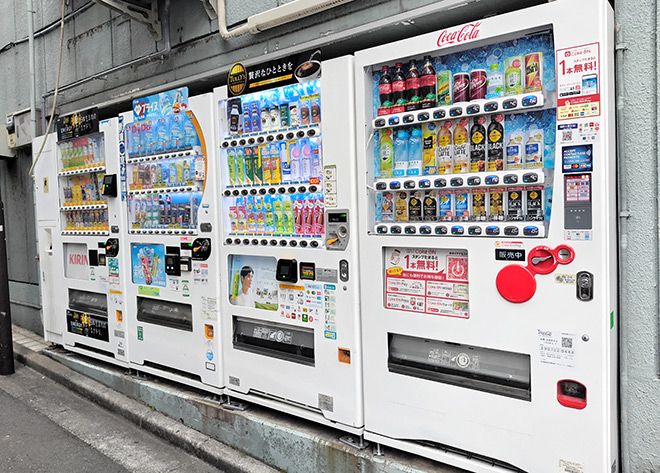
Price pressure on Japan's vending machines: what the Asahi Shimbun found
Question: why are vending machines, once synonymous with cheap convenience, suddenly feeling the squeeze?
Fact: Asahi Shimbun reported that beverage prices have been climbing, forcing vending operators to rethink pricing and product mixes. Take canned coffee and bottled tea, for instance. Many labels that used to sell for roughly 110 to 120 yen have crept up to 130 to 150 yen in some locations.

That reminds me: rising raw material costs, higher distribution expenses, and electricity bills are all being blamed. Major bottlers like Coca-Cola Japan, Suntory, and Asahi Soft Drinks are adjusting what goes into machines and where machines are placed based on profitability. Sounds good, right?
How higher drink prices change daily consumption
Picture this: you're at a train station and reach for a cold drink, then notice the price tag is different from last week.
Compared to back home, many visitors find Japanese vending machines unusually stable in price, but that stability is shifting. Where commuters used to buy a daily 缶コーヒー for 120 yen, some are now choosing cheaper alternatives or skipping the purchase entirely. That means lower-footfall machines get replaced with models that sell better items, or they're removed entirely from quieter spots.
My tip: watch the price stickers and product rotation patterns. You'll pick up useful Japanese vocabulary like the symbol for yen, '円', and words for hot and cold. But that's not all.
More snacks and bento in vending machines: a practical pivot
Fun fact: vending machines in Japan have always been creative, but the recent shift is bigger than novelty.
Direct address: vending operators are stocking more snacks, onigiri, and full 弁当 to offset falling beverage margins. Take rural stations and office lobbies, for instance. You'll now find refrigerated machines selling sandwiches, salads, and heated bento meals that can be eaten on the go. Some machines include microwaving or heating elements to serve hot food, so they act like miniature convenience stores.
Examples of new machine types
I still remember seeing a station machine with boxed bento and a compartment that warmed the meal for a few minutes. Companies and local vendors are experimenting with partnerships to stock regional specialties, which attracts tourists and commuters alike. That strategy helps with turnover and turns slow-selling drink locations into mini food hubs. Convinced yet?
Why this matters to Japanese learners and fans
Unlike what we're used to from English labels, product names and price tags on machines give quick, real-world reading practice. For example, spotting the kanji for 'hot' and 'cold' helps you choose heated drinks versus chilled ones. By the way, reading ingredient labels is also great listening practice if you use vending machine voice prompts or QR code audio guides.
What I especially like is that machines with bilingual displays and nutritional info are popping up more often, making them friendly study spots for learners. Highly recommended: try ordering something new and then read the label aloud to practice pronunciation. Not bad, right?

Practical language tips
Take note of short words that repeat, such as 'hot' and 'cold', brand names like Suntory and Ito En, and the kanji for price. That'll help you when you shop at convenience stores and supermarkets too. But let's stick with vending machines for now.
My tip: make a small list of 10 vending-specific words and test yourself during a commute. You'll be surprised at how much contextual learning sticks.
Oh, almost forgot: if you're researching this topic online, check discussion threads on r/JapanTravel for traveller sightings of unusual vending menus and local news coverage for region-specific experiments. Wild, isn't it?
Wrapping up, vending machines are not just about drinks anymore. Operators are responding to price pressure by diversifying into snacks and ready meals, and that change creates both cultural value and language-learning opportunities. But that's not all.
Frequently Asked Questions
Are vending machine drinks more expensive now?
Short answer: In many areas, yes. Some drinks have risen by about 10 to 30 yen depending on the product and location.
Can I still find cheap vending machine options?
Short answer: Yes, but you'll often need to look for machines in busy spots or those run by discount operators to find the lowest prices.


