
Near Hakone-Yumoto Station: getting to Yoshiike Sangetsu Gardens
Want the easiest way there? The garden sits within a compact neighbourhood about a 10-minute walk from Hakone-Yumoto Station, on the Odakyu Hakone area corridor. It's one of those small wonders people miss when rushing to Lake Ashi.



Guess what? The route from Hakone-Yumoto winds past souvenir shops and steam from nearby 温泉 (onsen), so your senses start the visit early. The reason is simple: Hakone grew as an onsen town during the Meiji period, and the garden fits that context perfectly. From my experience...
Meiji-era design: what makes Yoshiike Sangetsu feel old-timey
Look for design cues that scream 明治 (Meiji) without being theatrical, like stone lanterns, carefully pruned pines, and a central pond with reflective views. The garden is conceived as a strolling garden, which means paths lead you past framed views, small bridges, and seasonal plantings.
Key features to spot
What many overlook are the little details. You should notice stone placements that guide sightlines, maple trees that glow in autumn, and cherry trees that bloom in spring. My tip? Try to visit during the sakura or momiji season; those moments are simply brilliant.
Vocabulary to learn on your walk
Compared to back home, Japanese garden vocabulary is compact and useful. Try these on the trail: 温泉 (onsen), 旅館 (ryokan), 桜 (sakura), 紅葉 (momiji), 散歩 (sanpo, walk) (sanpo), and 茶室 (chashitsu). What I especially like is saying the words out loud with a local vendor; it opens up short friendly chats and practice opportunities.
Pairing the garden with an onsen and a ryokan stay
I still remember exactly the warm steam after a chilly hike; it made the garden feel like an extended prelude to soaking. That brings us to how visitors combine Yoshiike Sangetsu with an onsen visit: many travellers drop by the garden before checking into a nearby ryokan in Hakone-Yumoto for an afternoon bath.



Speaking of which, you can plan a half-day that mixes a calm stroll, a light lunch, and a private or public 温泉 (onsen) session. The reason is simple: walking calms you down, and an onsen seals the relaxation. Insider tip: ask whether the ryokan offers a public bathing schedule; some have gender-separated public baths and private family baths by reservation.
If you want a quieter visit, my tip is to head to the garden on a weekday morning. The gates open earlier during peak seasons, so arriving mid-morning often means better light for photos and fewer people to practice speaking Japanese with. Wait, there's more.
Practical info, etiquette and learning opportunities
Do note the usual garden etiquette, like staying on paths and keeping voices low near teahouses. No exaggeration: simple manners go a long way here. If you want to study Japanese in context, take a pocket phrasebook and try a short greeting to staff; it's a gentle test of listening and speaking skills.
But let's stick with planning for now. Tickets and opening hours can vary by season, so check the official listing or local tourism pages before you go. If you prefer a guided cultural angle, look for small group tours that include garden history and Meiji-era references; those sessions often provide targeted vocabulary and cultural notes.
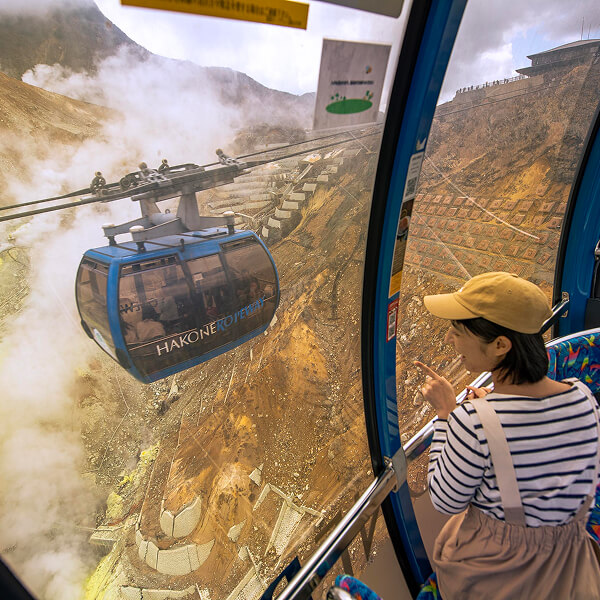
Sounds good, right? Pair this visit with other nearby spots in Hakone like Gora Park, the Hakone Open-Air Museum, and a ropeway ride to see the volcanic Owakudani valley. The cluster forms a full-day itinerary with both outdoor and cultural learning moments.
Frequently Asked Questions
How long does a visit take?
Short answer: Plan 30–60 minutes for a relaxed stroll, longer if you stop for photos or tea.
Is the garden suitable for children?
Short answer: Yes, it's family-friendly, but watch younger kids near water features and stone paths.


