
Where Jogakura Bridge is and how to reach it
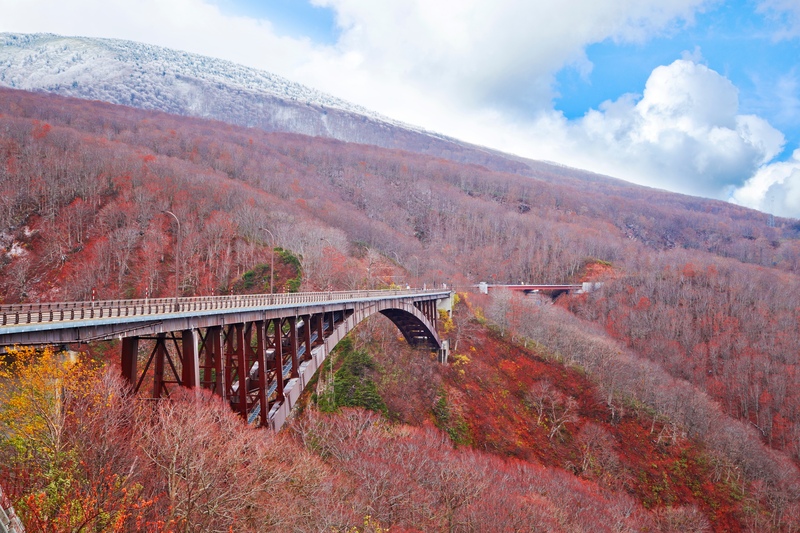
Question: where exactly is Jogakura Bridge? It's located inside Towada-Hachimantai National Park in Aomori Prefecture, overlooking the Jogakura Gorge carved by the Oirase River, with the Hakkoda Mountains forming a jagged backdrop. Let's be honest: the area sits in the northern Tohoku region, so travel tends to be slower than on Honshu's main island routes.
No joke, most visitors arrive by car. Public transport options are limited, so renting a car from Aomori City or using regional buses during peak seasons is common. That brings us to parking; there's a small lot near the bridge and short walking paths that provide multiple viewing points for photography and short hikes. From my experience...
What you'll see: gorge views and mountain panoramas
Picture this: a narrow, often crimson-coloured bridge spanning sparkling blue-green water with steep rock walls below and a forested ridge behind. The best part? The Hakkoda Mountains are visible to the west on clear days, and the contrast between the gorge and the peaks makes for iconic Tohoku scenery.
Autumn (koyo) and the red show
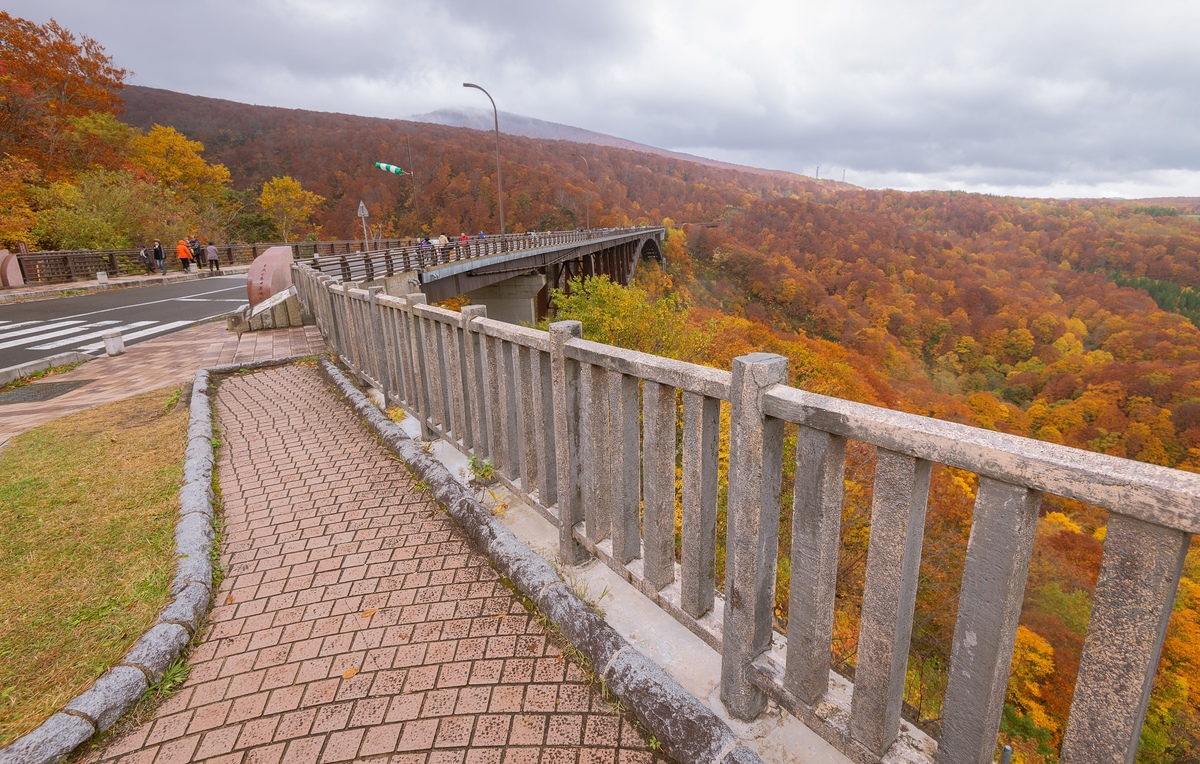
What most people don't know is that autumn is the busiest season. Japanese autumn foliage, 紅葉 (k)ōyō, typically reaches its peak at higher elevations in late October to early November, so expect fiery maples and beech trees framing the gorge. My tip? Arrive midweek or first thing in the morning to avoid tour-bus crowds and to get the best light for photos.
Spring melt and summer green
Plot twist: spring is quieter and can be surprisingly photogenic. Snowmelt swells the Oirase River, and fresh green appears from late May into June. The humid summers are lush, and the gorge offers cooler air than the plains below.
Winter moods and access limits
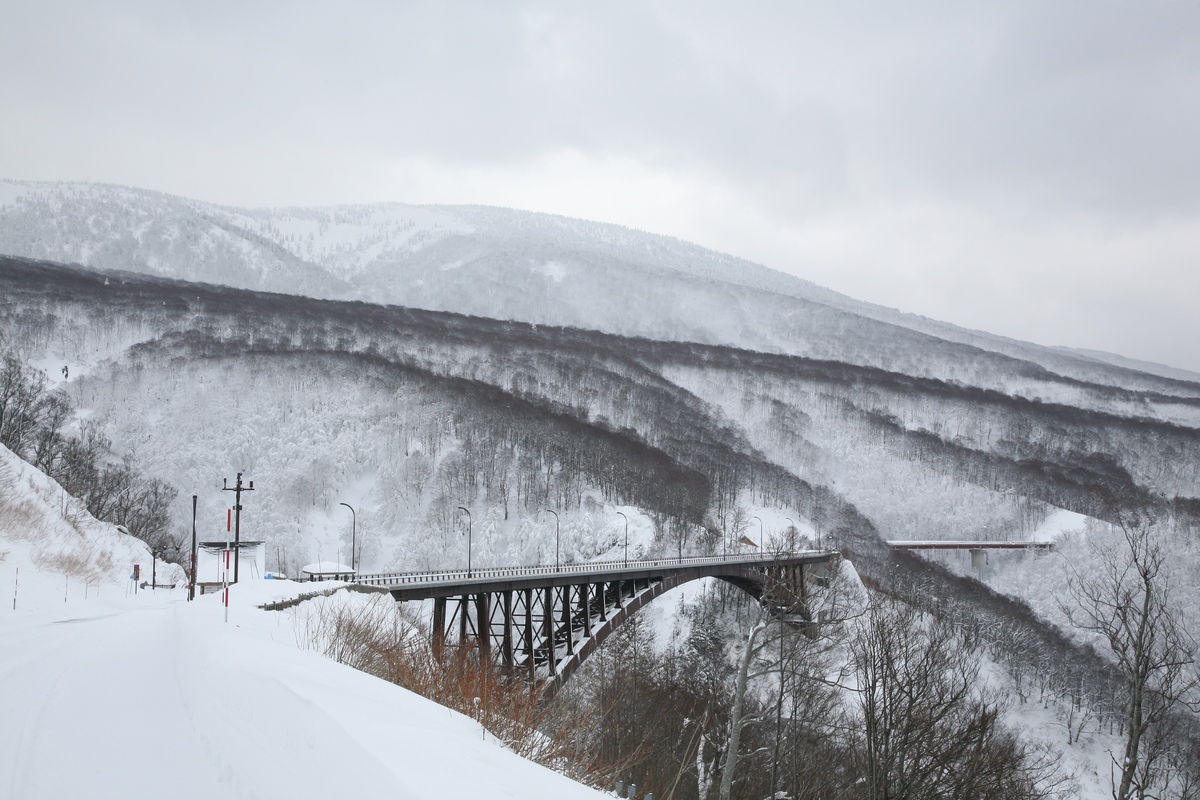
I still remember exactly how quiet the area felt after heavy snow. Winter brings heavy snowfall to Aomori, and parts of the park or access roads may be temporarily closed from late autumn through early spring. While we're at it, check local road reports and the Aomori Prefecture tourism site before visiting in winter.



Practical tips: timing, access and nearby spots
Fact: Jogakura Bridge itself is a short walk from the parking area, but the surrounding area rewards slow exploration. Pro tip: combine your visit with the Hakkoda Ropeway for higher-elevation views, or stop at Sukayu Onsen to experience a historic communal bath after a day of hiking.
Opening times, fees and safety
But let's stick with practicalities for now. Towada-Hachimantai National Park has no single gate time; it's a national park, but parking lots and visitor facilities at specific spots may have seasonal hours and small fees. Wear sturdy shoes if you plan to walk the gorge trails, and keep an eye out for icy patches in shoulder seasons. What I especially like is the clear signage in English at the main viewpoints, which is helpful for language learners practicing directional phrases and place names.
Local culture and language connections
Direct address: if you're studying Japanese, use the visit to practice reading signs and place names. You'll see references to local traditions, onsen culture, and mountain ecology. The word onsen, 温泉 (onsen), often pops up at nearby towns like Sukayu, and learning a few phrases about etiquette will go a long way. My tip? Carry a small phrasebook or an app that shows kanji readings; it's great real-world practice.
Photography, timing and what to pack
Anecdote: on my first trip, I missed sunrise by ten minutes and still loved the soft mountain light. The best part is that the gorge has many angles, so play with lenses, foreground leaves, and shutter speeds to capture the river's flow. Pack a light tripod for low light, waterproof shoes for riverside viewpoints, and layers, because temperatures can drop quickly near the gorge.
That brings us to safety: cellular reception can be patchy in mountain valleys, so download maps offline and tell someone your route if you're hiking beyond the main viewpoints. My verdict? Jogakura Bridge is a must-visit for anyone who loves dramatic landscapes and wants to see classic Tohoku nature. Wild, isn't it?
In pictures
Frequently Asked Questions
Is Jogakura Bridge open year-round?
Generally, yes, but access roads and parking facilities may close in heavy snow. Check local road updates before travelling in winter.
Can I visit by public transport?
Public transport options are limited. Renting a car or joining a guided day tour from Aomori is the most convenient choice.


