
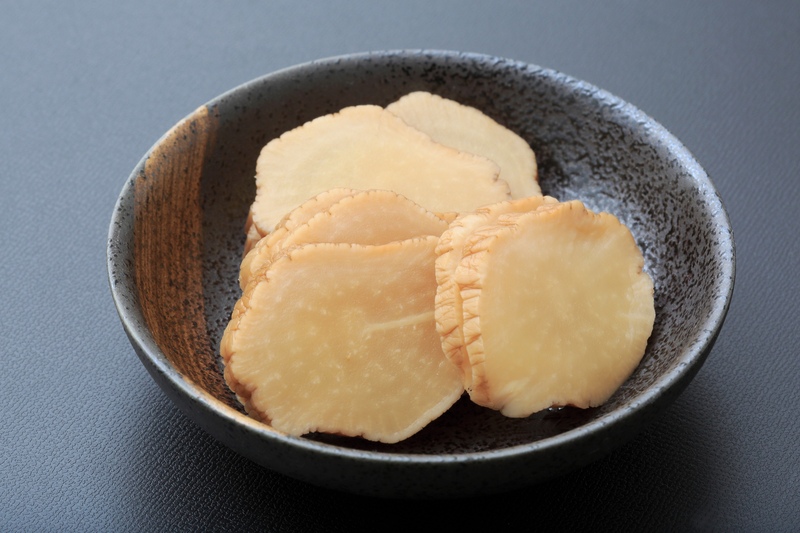
What is Iburigakko and where did it come from?
Question: what makes Iburigakko different from other pickles? It's not just pickling; it's smoking first, then brining, which gives the daikon a distinct amber colour and a lingering campfire aroma. Let me show you why the people of Akita turned winter daikon into something more than a side dish.
Fact: Iburigakko uses daikon radish as its base vegetable, traditionally harvested in late autumn in Akita Prefecture. Picture this: long white roots, salted, smoked over straw, and then left to ferment in a soy-based brine. Classic Japan, isn't it?
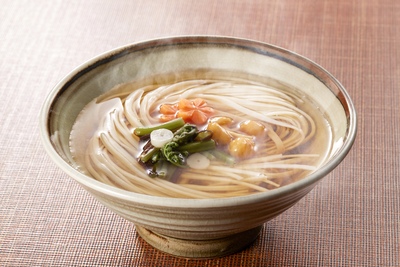
I still remember exactly the first time I tried いぶりがっこ at a market stall in Akita City. That experience made me rethink pickles forever. No exaggeration: the balance of smoke, sweet, and umami is unlike anything else in the tsukemono world. My verdict? This is my absolute hidden gem!
How Iburigakko is made in Akita
Smoking and pickling process
Know that feeling when you taste smoke in something unexpected? Here's the catch: the daikon are smoked over burning straw, traditionally 藁 or rice straw, for several days. For example, some small producers use cedar chips or controlled straw fires to keep the smoke clean and aromatic.

On a related note, after smoking, producers rub the daikon with salt and press them, then submerge the roots in a brine often flavoured with soy, rice vinegar, or rice koji. That brings us to why texture matters; the flesh stays crisp while soaking up smoky and salty notes. From my experience, that contrast is what keeps you reaching for another bite.
Where in Akita it's made and the GI-mark souvenir angle
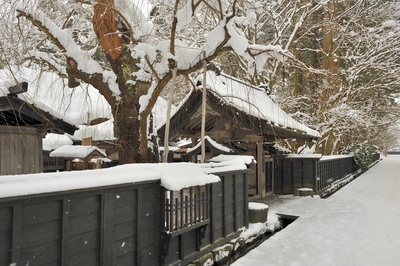
By the way, Akita Prefecture, particularly its rural communities, has long prepared Iburigakko as a winter staple to preserve daikon through the cold months. Several local brands and cooperatives now bottle and sell Iburigakko as souvenirs, some carrying a GI-like local certification to guarantee origin and method.
On a related note, producers in towns across Akita market their jars as official souvenirs at train stations, airports, and souvenir shops. My tip? Look for small glass jars; they're easier to pack. Also, ask the vendor about the smoking method if you want a sweeter or smokier profile. See what I mean?

Taste, pairings and how to enjoy Iburigakko
It's early morning in Kyoto. Imagine pouring a bowl of hot rice and topping it with tiny slices of smoky pickle, the steam lifting the smoke aroma into your nose. Simply brilliant. No exaggeration: Iburigakko works brilliantly with sake, beer, and even Western cheeses.
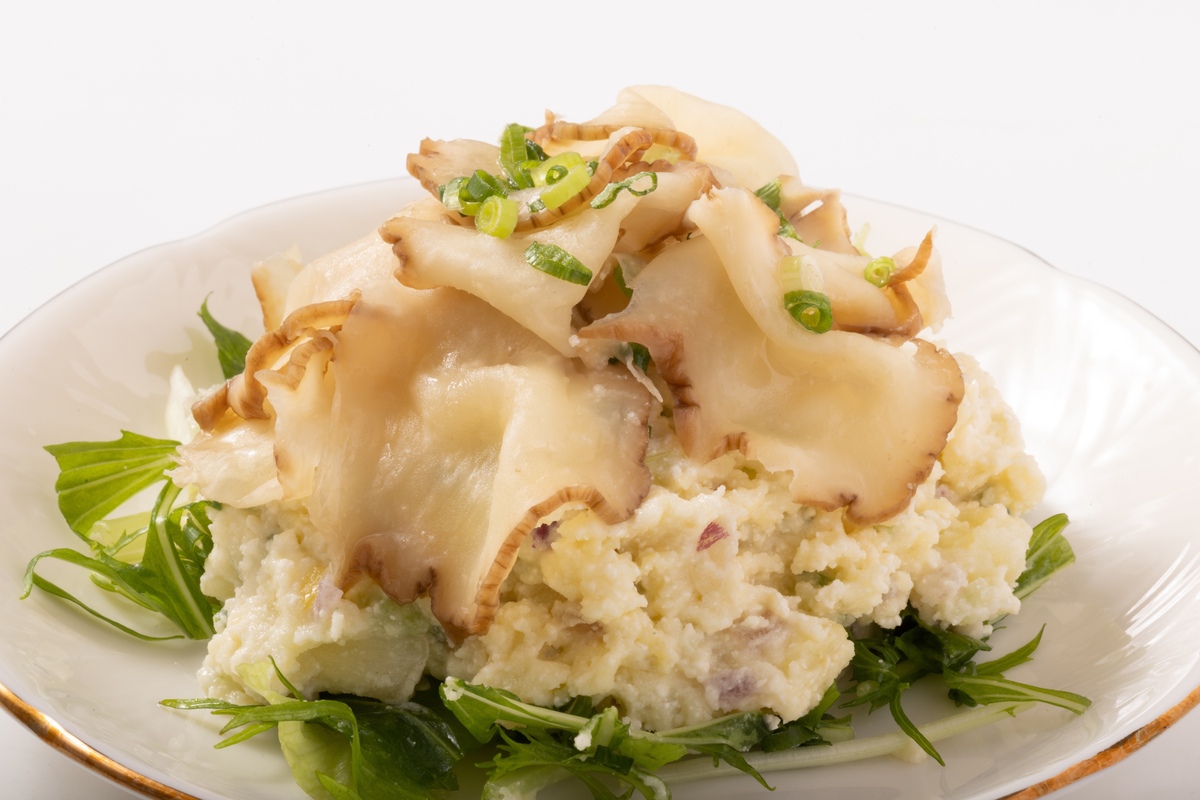
For example, thin slices paired with aged cheddar or chopped into potato salad transform everyday dishes. What I especially like is serving tiny pieces alongside a chilled glass of Junmai sake; the acidity and salt cut the smoke and bring out sweet daikon notes. My verdict? Absolutely addictive once you start experimenting.
Direct address: if you study Japanese, try noting the word for pickle, tsukemono, and the characters for daikon the next time you buy Iburigakko. The vocabulary ties the food to seasonality and preservation techniques, a neat cultural connection when you're learning kanji and food culture together.
Where to buy Iburigakko and bringing it home
Fact: souvenir shops at Akita Airport and the main JR stations often stock a variety of Iburigakko jars, from artisan batches to mass-produced versions. That brings us to travel logistics; sealed jars travel well in checked luggage, but do check customs rules for preserved vegetables in your country.
Question: which version should you pick? If you want an authentic taste, go for small-batch producers who mention "straw smoking" or specify the region inside Akita. By the way, some brands include sliced garlic or chilli, while others keep it classic with just soy and koji; each gives a different accent.
My tip? Try a few sizes and buy one jar that’s already sliced so you can taste it immediately. From my experience, the sliced, vacuum-packed versions often travel best and keep their crunch. See what I mean?
In pictures
Frequently Asked Questions
What is Iburigakko made from?
Short answer: smoked daikon radish pickled in a salty, sometimes soy-based brine.
Is Iburigakko easy to find outside Akita?
Short answer: limited. You’ll see it in specialty Japanese food shops or online, but the freshest versions come from Akita.
Can I bring Iburigakko home as a souvenir?
Short answer: usually yes if it's commercially packaged, but check your country’s customs rules for preserved foods.


