
Why getting lost beats ticking boxes when exploring Tokyo on foot
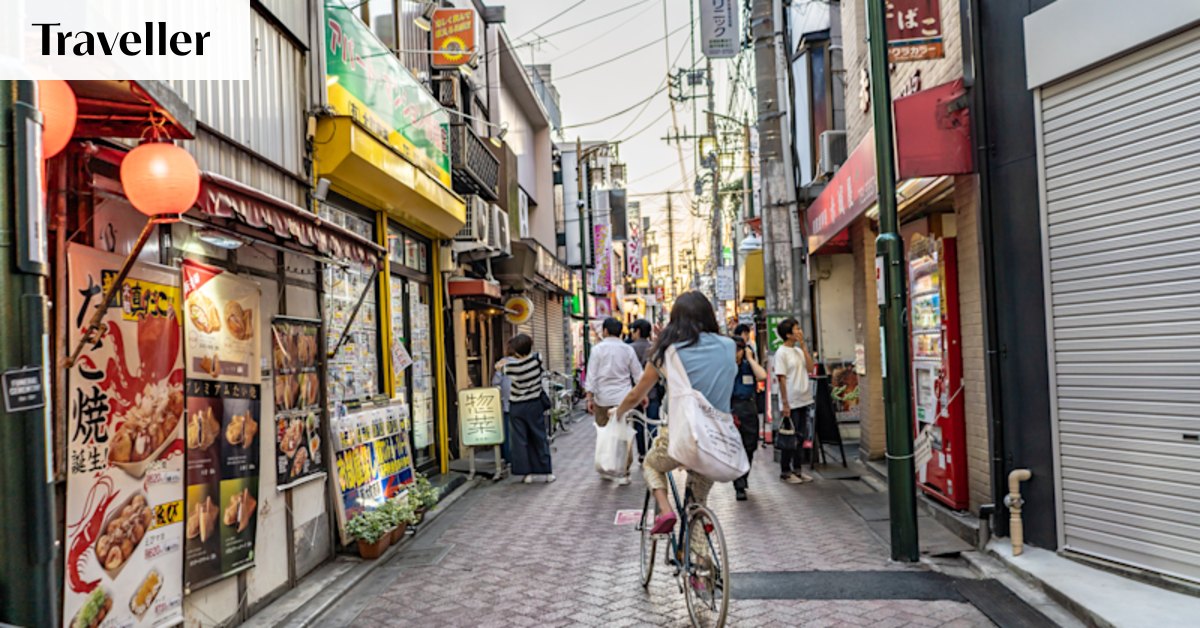
Let me show you why wandering is better than checking off sights. Tokyo is layered, not linear. Walk a single block and you can pass a century-old shrine, a 1970s kissaten coffee shop, and a neon arcade from the 1990s, all within 10 minutes.



Imagine a narrow alley in Tokyo. I remember stepping off a main street near Shimokitazawa and finding a tiny izakaya with hand-written menus, fragrant grilled fish, and an owner who’d been serving locals since 1988. That’s why the city feels human, not curated. My verdict:
How experts like Michelle Mackintosh and Steve Wide recommend wandering
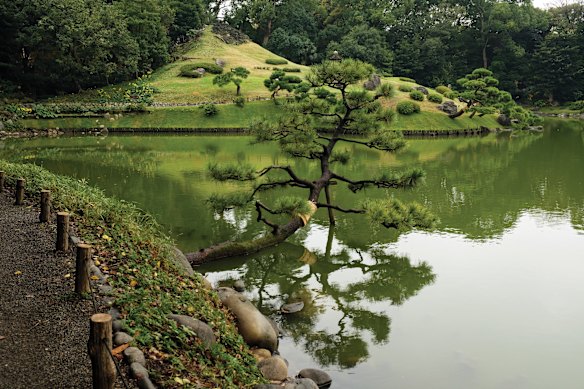
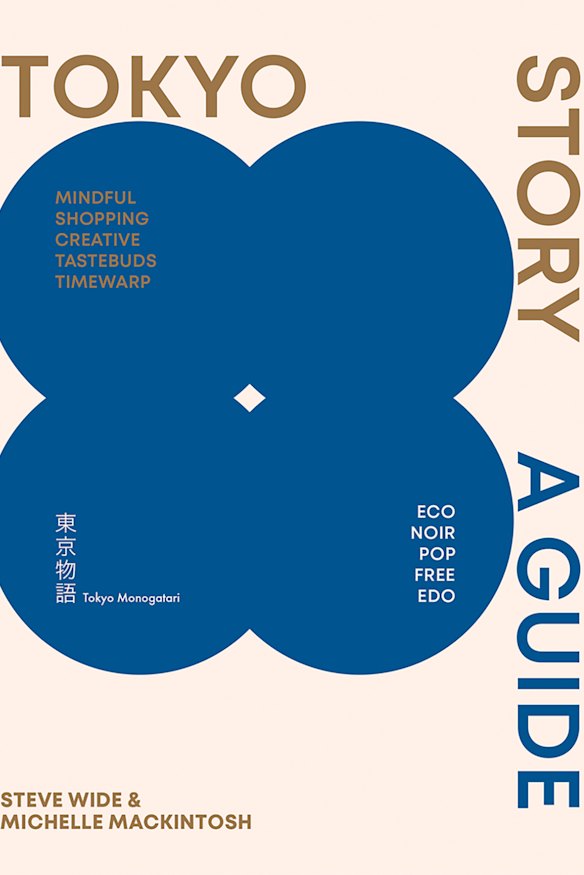
What most people don’t know is that Michelle Mackintosh and Steve Wide have been exploring Tokyo since the late 1990s. They argue that getting lost exposes rhythm, texture, and daily life in ways guidebooks can’t replicate. You can read their full piece in the Sydney Morning Herald.
Trust me on this one: you don’t need a plan to have meaningful interactions. Strike up a brief conversation at a konbini, notice how people queue politely at crossings, and watch a local elder bow while tending a family shrine. For example, station names give you anchors, like Shinjuku, which handles around 3.5 million passengers daily, or the loop of the Yamanote Line that connects many walkable hubs.
Practical rules for getting lost safely and smartly
Have you ever worried about getting stranded? Here’s the catch: Tokyo is very walkable and surprisingly forgiving, but you should use a few simple tools. Carry a Suica or Pasmo card, download an offline map, and learn the kanji for your nearest station, because train announcements still rely on kanji and romaji together.
Let me add a quick checklist. Pocket Wi-Fi or a local SIM, comfy shoes, a compact umbrella, and a basic phrase list for konbini and izakaya interactions will transform random wandering into a thousand small wins. My tip: learn three phrases for polite exchanges and the word omiyage for souvenirs; it helps conversations at tiny shops.
Navigational tricks
Trust me, signage in Tokyo is good, but local paths are better. Note nearby landmarks like parks, river bends, or department stores. If you do get completely turned around, step into any konbini or coffee shop and ask for directions; people usually point with friendly gestures.



Neighborhoods and micro-routes to intentionally lose yourself
What most people don’t know is that each ward has its own tempo. Choose one neighborhood a day and let curiosity steer you. You’ll learn more that way, not only vocabulary but cultural cues like seasonal rituals and shopping habits.
Shibuya and Harajuku: crowds and contrast
Did you know that Shibuya Crossing isn’t the whole story? Walk away from the scramble into the backstreets toward Cat Street and you’ll find boutique shops, secondhand fashion, and quiet coffee shops where students practice English and Japanese. And it gets better: Harajuku’s Takeshita-dori energy gives way to peaceful Meiji Shrine grounds just a few minutes’ walk away. Classic Japan, isn’t it? Personally...
Yanaka and Ueno: old Tokyo lanes
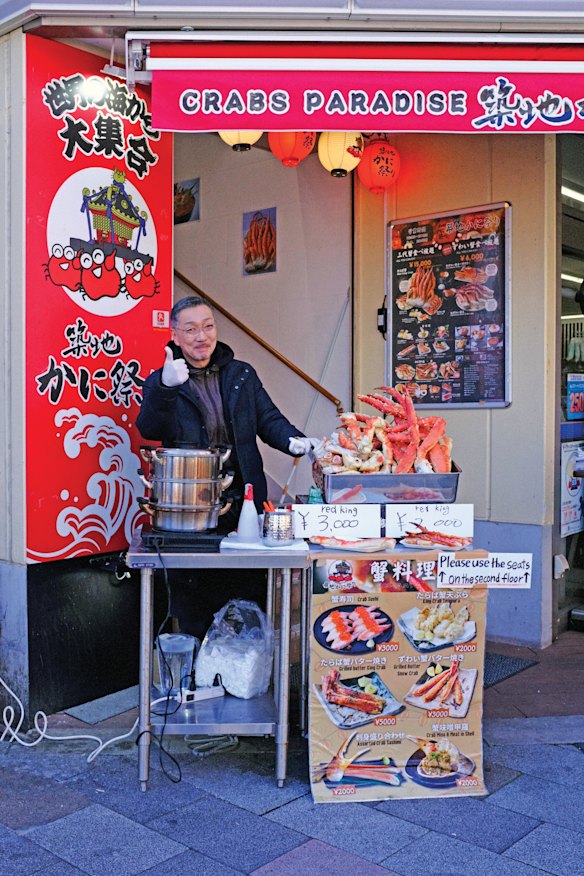
Let me show you why Yanaka-chō is worth the stroll. Old wooden homes, small temples, and yakitori stalls create a neighbourhood that survived the 1923 and 1945 changes to the city. Walk slowly, pick up small vocabulary like sakura in spring or matsuri when a local festival springs up. See what I mean?
Shimokitazawa, Kichijoji and Shimura: the creative pockets
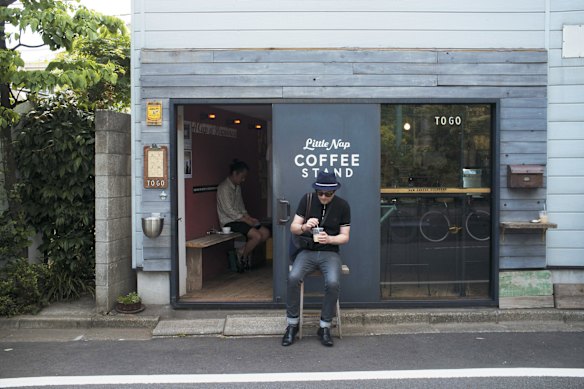
Imagine a narrow alley in Tokyo where vinyl stores, craft coffee, and tiny theatres coexist. Shimokitazawa and Kichijoji reward aimless walking with thrift stores and intimate live houses. What I especially like is that coffee shops double as informal language practice spots for learners and locals. My tip: ask to pay the bill in Japanese once, even if it’s short and awkward; you’ll learn one more useful phrase and get smiles.
That’s why bringing a notebook helps. Jot down words you hear, kanji you try to read, and short phrases locals use. You’ll build listening habits and context, not just flashcard knowledge.
In pictures
Frequently Asked Questions
Is it safe to get lost in Tokyo?
Yes, Tokyo is generally very safe for walking and exploring, but use common sense like keeping your phone charged and avoiding late-night empty alleys.
Do I need to speak Japanese to enjoy wandering?
No, many signs include romaji and English, but learning a few phrases will enrich interactions and help with small purchases.
How do I keep track of where I am?
Use a Suica/Pasmo card for easy transit, mark a station on your map as a home base, and note landmarks like parks or department stores.


