Why shoot Mount Fuji in spring with a 100MP camera
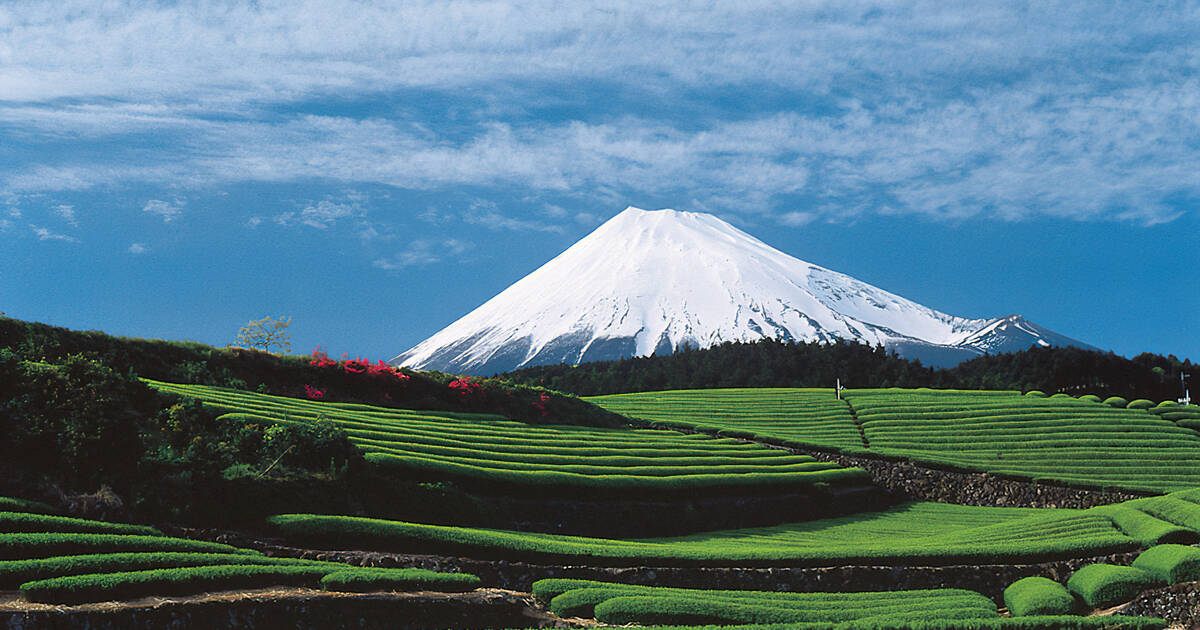
Fact: Mount Fuji rises to 3,776 metres and was listed as a UNESCO World Heritage cultural site in 2013, so it's a subject you want to do justice. The best part is that capturing fine blossom textures, distant snow lines and subtle gradations in sky colour becomes possible when you work at the 100MP level.
Plot twist: resolution isn't just about huge prints; it's about flexibility. You can crop tight on a lone sakura branch and still see individual petals. My verdict:

Top spring shooting locations around Mount Fuji
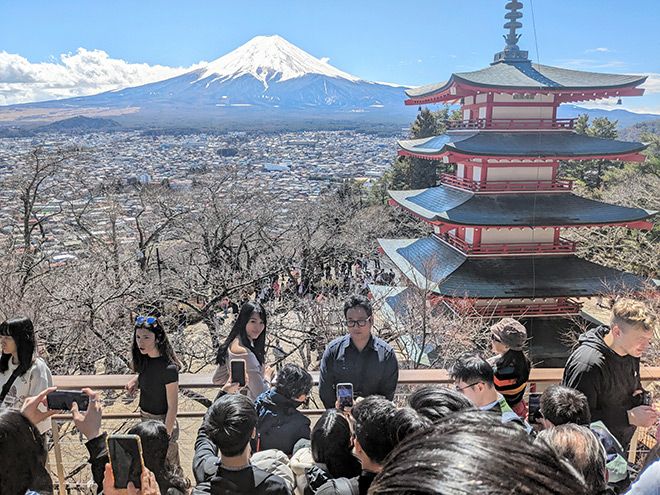
Anecdote: the first time I climbed the viewpoint by Chureito Pagoda in Fujiyoshida, I felt like I was inside a postcard. Chureito Pagoda is famous for that layered composition with a red pagoda in front of Fuji and rows of sakura in spring. Timing matters because blossoms and mountain visibility don't always match.
Chureito Pagoda, Arakurayama Sengen Park
Here's the deal: for classic composition, you want the pagoda slightly off-centre, a tele to medium focal length, and a low ISO. Chureito is best visited mid-April in many years, but check forecasts and the Japan Meteorological Agency for up-to-date bloom predictions. Sounds good, right?
Lake Kawaguchi (Kawaguchiko) and the Fuji Five Lakes
Let's be honest: Kawaguchiko is where reflections make the 100MP files sing. You get mirror-like lakes on calm mornings. Insider tip: shoot the sunrise from the north shore to line up sakura trees, the lake and Fuji, and plan for wind changes. Wait, there's more.
Using the Hasselblad X2D II 100C for spring landscapes
Here's the thing: the Hasselblad X2D II 100C is a 100-megapixel medium format mirrorless camera built for detail-first photographers. No joke, files from medium format bodies often resolve more micro-contrast in blossoms and distant ridgelines than smaller formats, and the X2D II is engineered to deliver that.



Plot twist: the sensor gives you roughly 11,600 by 8,700 pixels, so a cropped composition still prints large. Seriously though, expect single RAW files to commonly exceed 100 MB, so carry fast XQD or CFexpress style storage and a laptop if you're tethering. My tip: shoot RAW at ISO 50 to 100, stop down to f/8 to f/11 for landscape sharpness, and use a solid tripod to fully exploit the detail.
Lenses and settings that work
Imagine a narrow alley in Tokyo, but instead of neon, you have petals. You need lenses that render fine detail. For the X2D II, a 45mm to 80mm equivalent range covers landmarks and framed blossoms, while a 30mm gives more context. Keep shutter speeds long only when needed, and bracket exposures if low clouds or bright snow threaten highlights. My verdict:
Practical tips, language notes and cultural context
Question: how do you time a trip for sakura (桜, sakura) and Fuji visibility? Check weekly blossom forecasts on sites like Japan-Guide and follow local weather models for clearer skies. No exaggeration: some of the best Fuji-sakura alignments happen for only a few days each spring.
Insider tip: learn a few words, hanami (花見, hanami) for cherry blossom viewing and oshibori for the hot towel you get at many ryokan. They help you connect with locals on location. That reminds me, photographers at popular spots usually cooperate around golden hour, so be polite and move steadily when composing. My tip: arrive 60 to 90 minutes before sunrise for the best light and calm wind windows.
Frequently Asked Questions
When is the best time to photograph Mount Fuji with cherry blossoms?
Mid-April is a common sweet spot around Kawaguchiko, but bloom dates vary year to year, so check local sakura forecasts.
Do I need a medium format camera for great Fuji photos?
No, you can make excellent images with APS-C or full-frame gear, but 100MP gives more cropping and large print flexibility.
Are there permits required to shoot at Chureito Pagoda or Kawaguchiko?
Most viewpoints are public, but check local rules for tripods, commercial shoots and access during festivals.
Sources
- Original YouTube short showing the 100MP Fuji shots
- Hasselblad X2D II 100C official product page
- Japan-Guide: Kawaguchiko cherry blossom and viewing tips
- UNESCO: Fujisan, sacred place and source of artistic inspiration (2013)