How multiplayer is structured in Pokémon Pokopia
Fact: Nintendo's official breakdown shows Pokémon Pokopia supports several distinct multiplayer modes, each designed for different playstyles. Local wireless rooms let nearby players join without the internet, while online sessions use your Nintendo Account and Nintendo Switch Online for matchmaking and friend-based play. Here's the thing: Nintendo's write-up focuses on convenience, with quick room creation, spectator options, and optional voice chat via the Nintendo Switch Online app.

![Startup Company [Console Edition] (Limited Edition)](https://s.pacn.ws/1/p/157/startup-company-console-edition-limited-edition-741799.16.jpg?v=ry4mm8&width=400)
![Startup Company [Console Edition]](https://s.pacn.ws/1/p/157/startup-company-console-edition-741779.10.jpg?v=ry4ngq&width=400)
Plot twist: you don't always need to be in the same game session to interact. Some features use shared world elements, similar to how recent Pokémon titles used raid encounters and shared map events. My tip? When you see a special event icon on the map, check whether it's local-only or online before inviting 友達 (tomodachi) to avoid confusion.
Playing on Nintendo Switch 2: hardware and networking details
Question: what does Nintendo Switch 2 add for multiplayer specifically? The new console improves wireless bandwidth and Bluetooth handling, which means more stable local play and faster reconnection when players drop out. Quick detour: Switch 2 also expands local communications to reduce latency, so passing control for co-op puzzles feels snappier.
Trust me on this one: online matchmaking still relies on Nintendo Switch Online servers, and friend-based sessions are tied to Nintendo Account friend lists. While we're at it, expect regional matchmaking options so Japan-based players can prioritise low ping servers in Tokyo or Osaka. This is useful for Japan fans trying to practice Japanese with native speakers in real time.
Local Play: Rooms, Nearby, and LAN
I still remember exactly how chaotic local link-up was back in classic handheld days, two decades ago. In Pokopia, you create a room, name it, and set privacy to public, friends-only, or invite-only. Rooms can host varying numbers of players depending on the mode, and the game shows clear player limits before you start. By the way, Nintendo lists spectators and drop-in players for some modes, so someone can watch without affecting your session.
Online: Friends, Matchmaking, and Safety
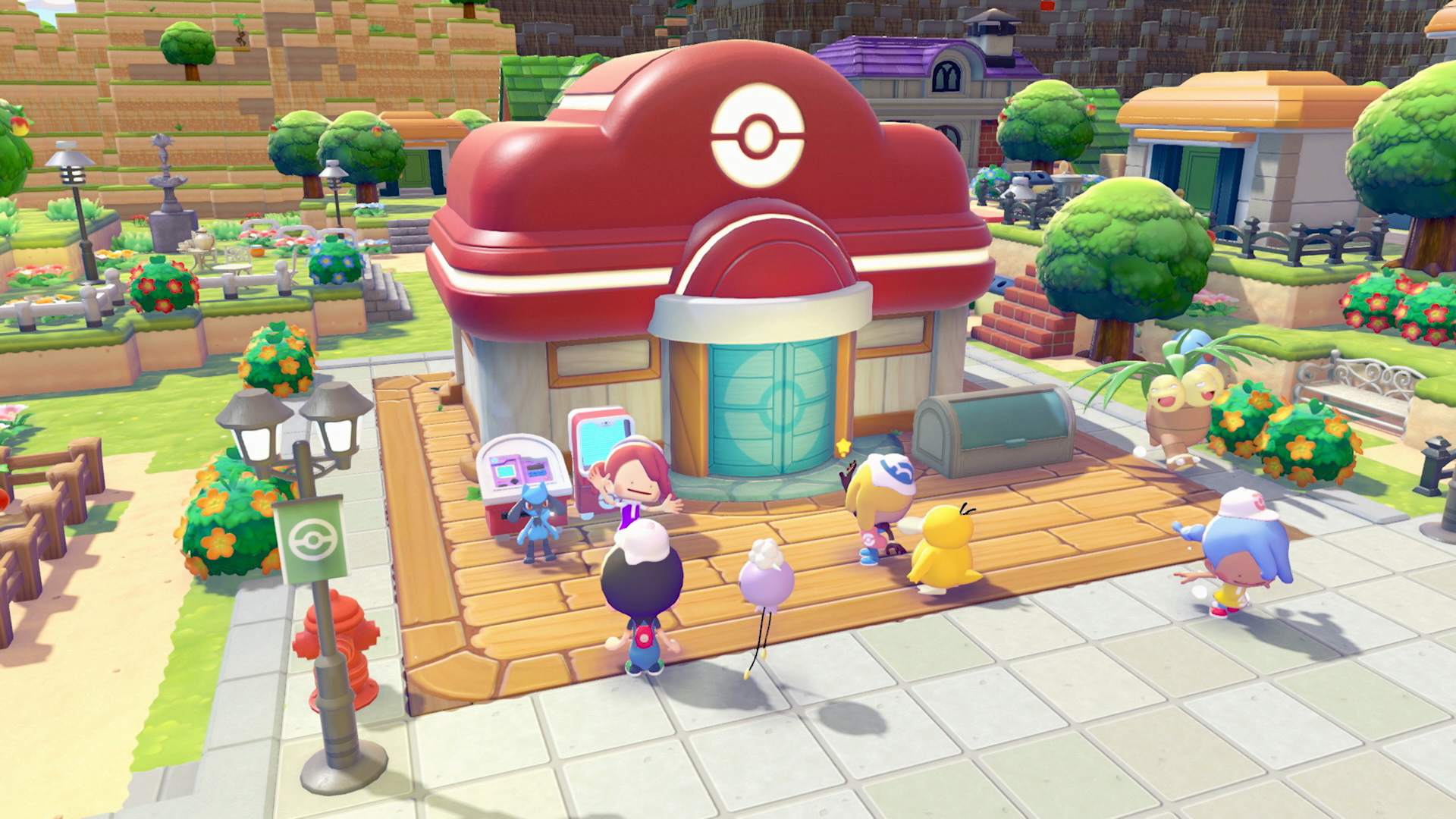
Imagine a narrow alley in Tokyo. You bump into someone, start talking, and exchange friend codes. That's what online friend play still feels like in spirit, except digital. You can invite friends through your Nintendo Account, join public matches, or use event-based matchmaking for timed PvP tournaments. Oh, almost forgot: parental controls and chat filters are integrated for younger learners using the Switch 2.
Concrete multiplayer modes and mechanics
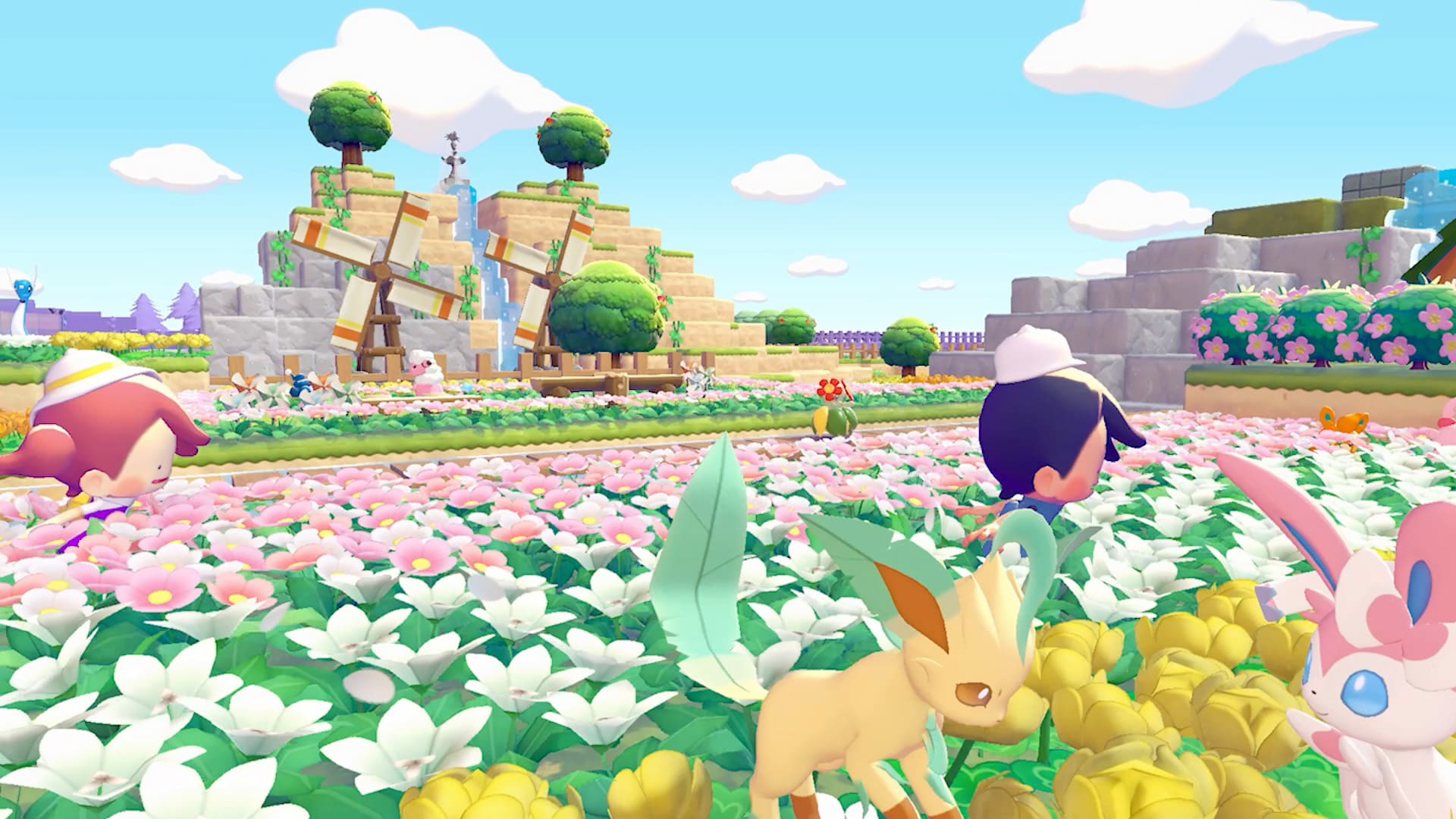
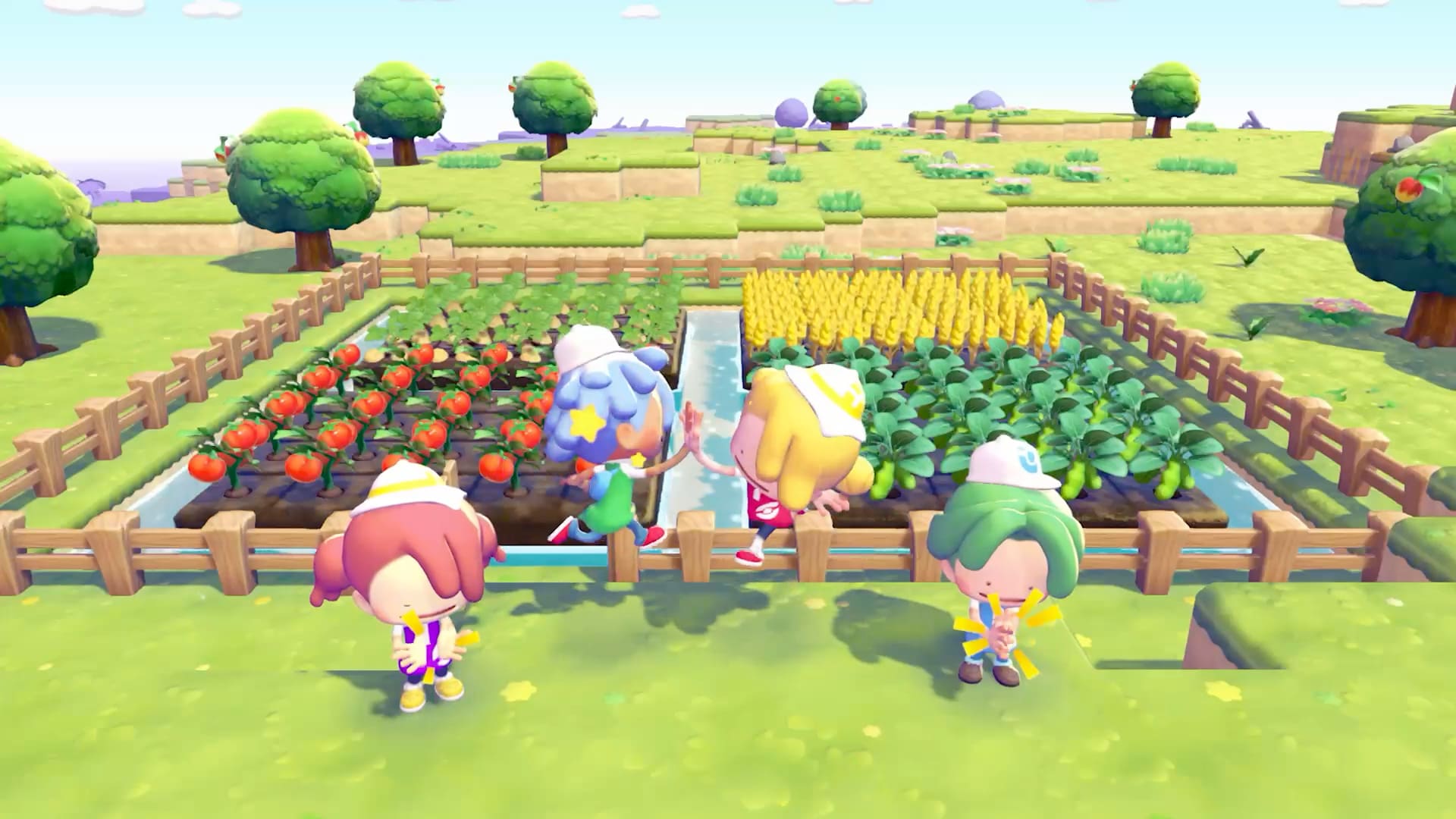
While we're at it, Pokopia separates modes into social exploration, co-op challenges, and competitive battles. Social exploration lets up to a modest group wander hubs together, trade items, and complete cooperative mini-quests. Co-op challenges have synchronised objectives and shared rewards, like special お土産 (omiyage-style) items you can take home. Competitive battles use ranked matchmaking with clear ELO-like ladders for season play.
Let's be honest: the game gives explicit reward caps per week to avoid exploit farming. For example, raid-type encounters are limited by daily entry tickets and event schedules. What I especially like is that reward pools often reference Japanese festivals, so you'll see in-game events themed to hanami or matsuri, tying gameplay to real-world culture. Classic Japan, isn't it?
Language practice and cultural perks for Japan learners
Direct address: if you're studying Japanese, multiplayer in Pokopia is a low-pressure way to practice. Use short phrases like よろしく (yoroshiku) and ありがとう (arigatou) with teammates, or swap item names to learn vocabulary for food, locations, and Pokémon types. Quick detour: try setting your in-game chat to short phrases only, so you're forced to use simple sentences and build confidence.
By the way, join Japan-focused Discords or subreddits, but always link to official event pages when coordinating. For example, Nintendo's multiplayer guide clarifies room rules and event timings, which you can match to your study schedule. Sounds good, right?
My tip? Take screenshots of interface text and add them to your flashcards; that helps with kanji recognition and practical vocabulary tied to actual gameplay. Personally, I use 2-3 minute post-session notes to write down new words I saw during raiding or trading.
Trust me on this one: balance competitive play with casual exploration, so you don't burn out on ranked seasons while still getting conversational practice with native players.
more Japan news on jpnerd.comFrequently Asked Questions
Do I need Nintendo Switch Online to play multiplayer?
Short answer: Yes for most online features and matchmaking, but local wireless play between nearby consoles usually doesn't require a subscription.
Can I voice chat in Pokémon Pokopia?
Short answer: Voice chat options depend on region and are normally handled via the Nintendo Switch Online smartphone app or built-in settings on Nintendo Switch 2.