
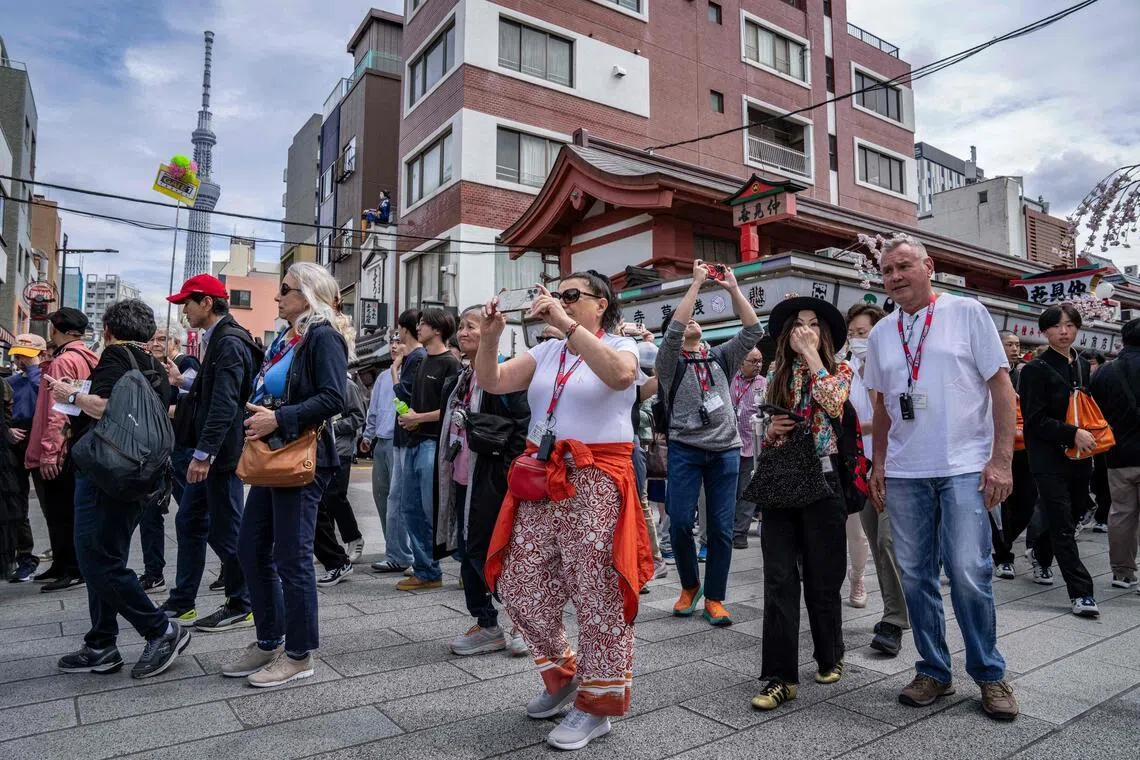
Japan tourism: the March record explained
Question: how did visitor numbers reach a high point in March despite international tensions? The Straits Times reported the milestone in April 2024, noting a jump in arrivals that set a fresh monthly record. It's early morning in Kyoto. From my experience, the momentum comes from a mix of spring events, eased travel rules and a strong appetite for Japanese culture.
Where people went
Fact: Tokyo, Osaka, Kyoto and Okinawa continued to top travel itineraries. For example, cherry blossom fans packed parks for hanami, while food tours in Osaka and shrine visits in Kyoto remained staples. No exaggeration: regional prefectures like Fukuoka and Hokkaido also logged notable inflows, proving tourism isn't only about the megacities. See what I mean?
Why visitors kept coming despite a China spat and the Iran war
Did you know that media attention to geopolitics doesn't always translate into travel cancellations? The China spat and the Iran war raised concerns, but many travelers still booked flights and hotels. Here's the kicker: most tourists I met said local safety and on-the-ground information mattered more than headlines. Speaking of which, local operators emphasised clear guidance, and that calmed many visitors.
Policy and perception
Let me show you why policy moves mattered. Fact: Japan's visa facilitation and the resumption of certain inbound services made planning easier. Airlines kept routes open, and the Japan National Tourism Organization (JNTO) promotion helped channel travellers to less crowded spots. My tip: check the JNTO site for monthly statistics and regional advisories before you travel; it helps avoid surprises. From my experience...
Travel trends that powered the record
I still remember exactly the spring weekend when trains were full but the mood was upbeat. For many visitors, the appeal of experiences like omotenashi hospitality, riding the shinkansen between cities, and sampling regional food was stronger than political worries. That's why local festivals, seasonal menus and special museum exhibitions drew steady crowds.



Numbers and patterns
Here's a concrete pattern: short-haul visitors from nearby Asian markets booked frequent weekend trips, while long-haul travelers planned multi-city itineraries. By the way, package tours and independent travelers both grew, but independent bookings rose faster as people sought flexible plans. Convinced yet?
What this means for language learners and Japan fans
Direct address: if you're studying Japanese or planning a longer trip, this visitor wave is great news. Highly recommended: use the influx as a learning opportunity. Practice simple phrases in cafes and markets, and you'll notice locals respond warmly to effort. Classic Japan, isn't it?
Practical tips for learners
Before I forget, bring a pocket phrasebook and learn greetings like good morning and thank you; basic vocabulary helps a lot. My tip: try ordering at an izakaya or asking for directions at a train station; it's real-world listening practice. From my experience, those short interactions build confidence faster than classroom drills.
Cultural context
Question: what cultural moments drew visitors most? Festivals, sakura season and culinary events were top draws. For language learners, that means plenty of live material: shop signs, short menus and polite forms heard in everyday service. No exaggeration: immersion in local settings accelerates your comprehension more than passive study. See what I mean?
Frequently Asked Questions
Is it safe to visit Japan despite regional conflicts?
Short answer: yes. Japan remains one of the safest countries for tourists, with strong local support and visible police presence in busy areas.
Will tourism growth affect prices and availability?
Short answer: possibly. Expect higher prices and booked-out hotels during peak seasons like cherry blossom and Golden Week, so book early.


