
Why cities are introducing accommodation taxes
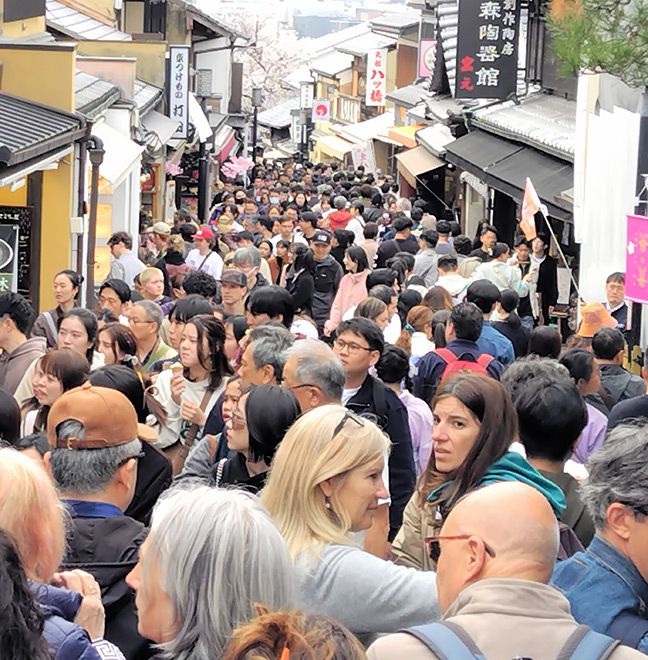
Picture this: a tiny historic street in Kyoto clogged with tour groups at noon, rubbish bins overflowing, and local residents complaining. Local governments are responding by adding an accommodation tax, called 宿泊税 (shukuhakuzei), to hotel and ryokan bills. A great example is Kyoto, which introduced a tiered lodging tax in October 2018, charging between 200 and 1,000 yen depending on room rates to fund tourism management and preserve temples and shrines.
It's early morning in Kyoto. City officials say the money goes to sanitation, visitor guidance, and cultural protection projects rather than general budgets. Take Tokyo, for instance; some wards and other prefectures have studied similar levies, and other popular destinations are following suit, citing overtourism, wear on infrastructure, and rising complaints from local residents. Convinced yet?
How accommodation taxes affect hotels and ryokan
Practical cost examples
Did you know that typical accommodation taxes range from around 100 to 1,000 yen per night depending on the municipality and the price bracket? Hotels, business hotels, and traditional ryokan all have to collect the tax at check-in or check-out. Here's the kicker: a budget guest paying 7,000 yen a night might only add 200 yen tax, while someone staying in a luxury ryokan paying over 30,000 yen could see a 1,000 yen surcharge per night.
Operational impact on establishments
Know that feeling when a small change requires new paperwork? Hotels and ryokan have to update reservation systems, display the tax on invoices, and train front-desk staff to explain the charge in English and other languages. Oh, almost forgot: some operators might absorb the fee into room rates to keep advertised prices clean. My tip is to always check your final bill before payment because some properties list the tax separately and some don't. See what I mean?

By the way, the burden isn't only financial. Small family-run ryokan, especially those with limited online booking infrastructure, face administrative work collecting and remitting the tax to municipal governments each month. Not bad, right?



What this means for travelers and language learners
Direct address: if you travel to Japan, you should expect small nightly fees in many tourist hotspots, and it's useful to know the word 宿泊税 (shukuhakuzei) when asking at a front desk. Sounds weird, but it's true. Knowing the kanji 宿 (yado, lodging) and 泊 (haku, stay) helps you parse signs and invoices. My tip is to learn key phrases like "Is tax included?" and "How much is the accommodation tax?" in Japanese and English to avoid surprises.

Here's another angle: municipalities intend the tax to nudge visitor behaviour too. By raising the cost of peak-season nights, cities hope travellers will spread visits into shoulder seasons, use alternative neighbourhoods, or choose day trips instead of overnight stays. That brings us to how sustainable tourism policy and individual choices interact at a local level.
Balancing tourism, culture and the local economy
Question: will accommodation taxes reduce overtourism? The short answer is that no single fix will solve crowding, but the funds allow municipalities to improve transport, signage, and conservation work, and sometimes to hire bilingual guides. A great example is local governments using revenue to restore temple gardens or fund resident outreach programs, which reported better relationships between visitors and communities. My verdict is that it's a pragmatic tool, not a silver bullet.
By the way, as a language learner, these policy shifts are a good chance to practice reading municipal notices and tourism websites, often full of real-world vocabulary about fees, regulations, and services.
Frequently Asked Questions
Will accommodation tax be added to every hotel bill in Japan?
No. It depends on the city or ward. Many popular destinations charge it, but a lot of smaller towns do not.
How much can I expect to pay per night?
Generally between about 100 and 1,000 yen per night, depending on the municipality and room price bracket.
Do I have to pay it in cash?
Usually, the tax can be paid by card at check-out, but policies vary, so check with your hotel or ryokan ahead of time.

