
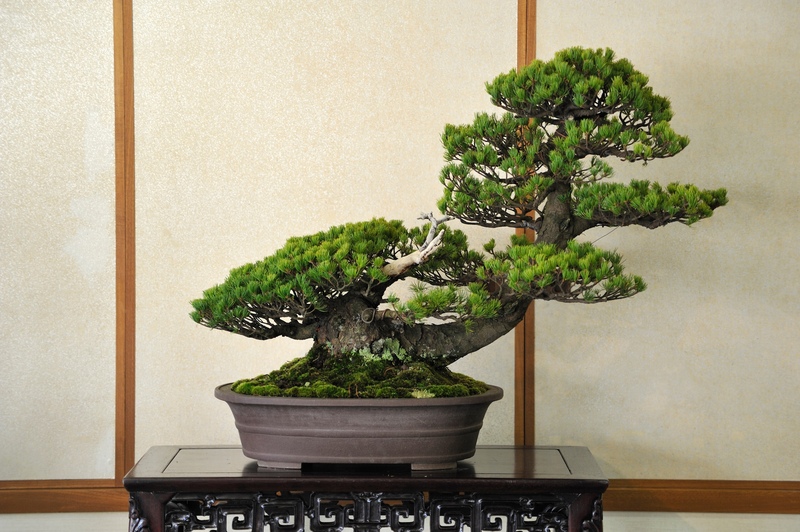
Why bonsai appreciation matters in Japan
Bonsai in Japan trace a continuous tradition back to the 17th century, with earlier practices like penjing influencing the art. Take the Edo period, for instance, when display and refinement made small-tree cultivation a cultivated taste among samurai and merchants. Personally, I find that understanding this history helps you read a tree like you read a painting. From my experience...
Here's a fact: bonsai is written as 盆栽, and the characters literally point to tray and planting, which hints at the intimate scale and display culture. What most people don’t know is that the word doesn’t refer to a separate species or dwarf tree; it’s about technique and care. See what I mean?
I remember first seeing a century-old black pine in Omiya Bonsai Village and feeling the silence around it, like a shrine. On a related note, bonsai viewing borrows from tea ceremony aesthetics, so slow observation beats quick snapshots. Personally...
Classic bonsai styles every beginner should know
Question: do you want to identify a style at a glance? Start with these five forms. For example, formal upright is called 直幹 (chokkan), and it shows a single straight trunk with balanced branches. Take the informal upright (模様木 (moyogi)); it’s popular for novice collectors because it reads naturally in a home setting. See what I mean?
Key styles and what they express
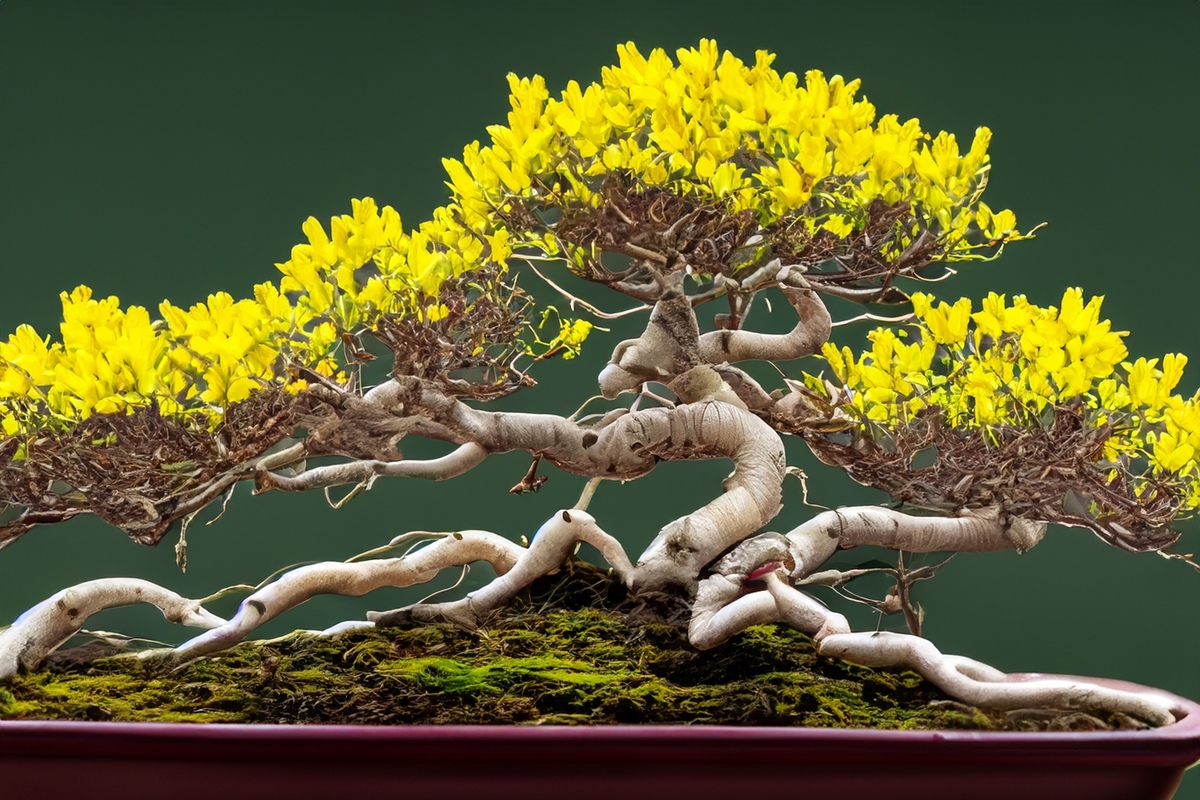
Here's the kicker: literati style, 文人木 (bunjin-gi), looks sparse and elegant, often with long trunks and minimal foliage. Guess what? Cascade (懸崖 (kengai)) and semi-cascade (半懸崖 (han-kengai)) borrow imagery from cliffs and waterfalls, letting branches fall below the pot rim. What I especially like is that informal upright and literati trees let the viewer imagine seasons and stories. From my experience...
Unlike what we're used to, bonsai classification includes pot type, nebari (surface roots), and jin or shari (intentional deadwood), all of which tell a plant's biography. But let’s stick with styles for now. Personally, I recommend learning five styles before you try pruning or wiring. My tip? Study silhouette before tools.
Viewing etiquette and manners at bonsai displays
Did you know that silence and slow steps are part of the etiquette in bonsai rooms? Take museum displays, for instance, where lighting and angle are curated to show a tree's balance and negative space. Insider tip: don’t touch, and avoid leaning over a display table. Personally...
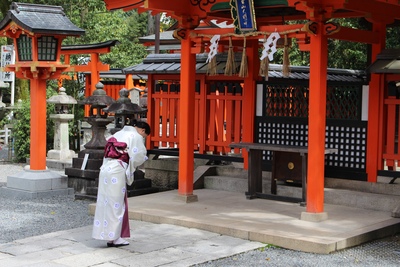
Here's a fact: many museums and private collections ask visitors not to use flash photography and to keep a modest distance. On a related note, if a curator speaks about a specimen, listen first and ask one question after. See what I mean?
I once apologised after stepping too close to a display, and the owner kindly explained the story of that tree, which was over 120 years old. And it gets better: most bonsai gardeners love to share knowledge, but they expect respect for their trees and tools. From my experience...

Top Japan travel spots to see outstanding bonsai
Question: where should you go first? Omiya Bonsai Village in Saitama is the obvious starting point, with the Omiya Bonsai Art Museum opened in 2010 and several historic nurseries clustered nearby. Take a day trip from Tokyo; it’s about 30 minutes by train from Urawa. Personally, I find the village atmosphere is as educational as any book. See what I mean?
Here's a fact: Kunio Kobayashi's Shunkaen Bonsai Museum in Edogawa, Tokyo, was established in 2002 and displays personally styled masterpieces plus an onsite nursery. For example, Kobayashi's museum shows trees over a hundred years old alongside demonstration spaces. From my experience, this place is a must for anyone serious about bonsai techniques.
Guess what? The Kokufu-ten, the National Bonsai Exhibition first held in 1934, gathers prize-winning trees and runs annually, usually in Tokyo in February. Oh, almost forgot: plan ahead; tickets and dates change year to year. My tip? Combine a museum visit with a workshop or a nursery tour to practice vocabulary and hands-on care. Personally...
In pictures

Frequently Asked Questions
Do I need special tools to start bonsai?
No, a pair of good pruning shears and basic wire are enough at first. Learn pruning timing and safety before buying expensive gear.
Can I travel to bonsai spots without speaking Japanese?
Yes, many museums and major nurseries have English information, and a polite greeting goes a long way. Maps and signs at Omiya and Shunkaen often include English.


