
What is Okuizome and why the 100 days?
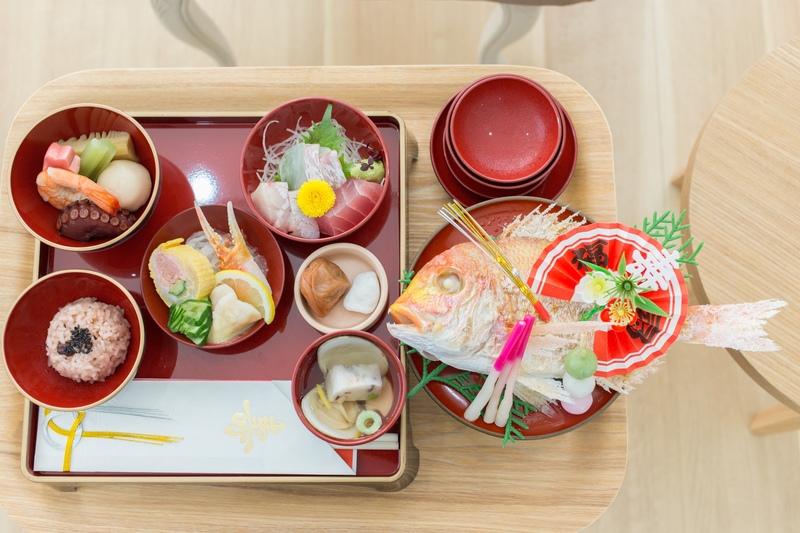
Ever wondered why families mark the 100th day after a baby's birth? The 100-day mark, often celebrated around day 100 but sometimes on day 120 depending on family preference, is a symbolic milestone meant to wish the child a life without food shortages. The ceremony is called okuizome, which literally means 'first eating'. The reason is simple: through a playful, symbolic meal, elders wish the baby abundant health and plenty of food in the future. Sounds good, right?
Typical dishes served at an Okuizome
Here's the kicker: the food isn't for the baby to swallow. Rather, each item carries a symbolic meaning and is presented to the infant in small, ceremonial portions. To be fair, menus vary by region and family, but there are common staples you'll often see.

Core items and what they symbolize
Unlike what we're used to with Western baby parties, Japanese families usually include sekihan (red rice), a whole grilled tai (sea bream), a clear soup often similar to osumashi, and small pickles such as tsukemono. Sekihan celebrates good luck and happiness because red is an auspicious colour. The reason is simple: tai is a pun on 'medetai', meaning joyous, so a sea bream represents celebration. Convinced yet?
Other common components
Here's the deal: you'll also see simmered vegetables, small portions of fish or shellfish, and frequently a lacquered miniature dining set used only for the ritual. Families sometimes add regional favourites, for example, simmered root vegetables in Kansai households, or different soups in Kyushu. My tip? If you're invited, ask the host beforehand; people love sharing the story behind each dish. From my experience...
Etiquette and the flow of the ceremony
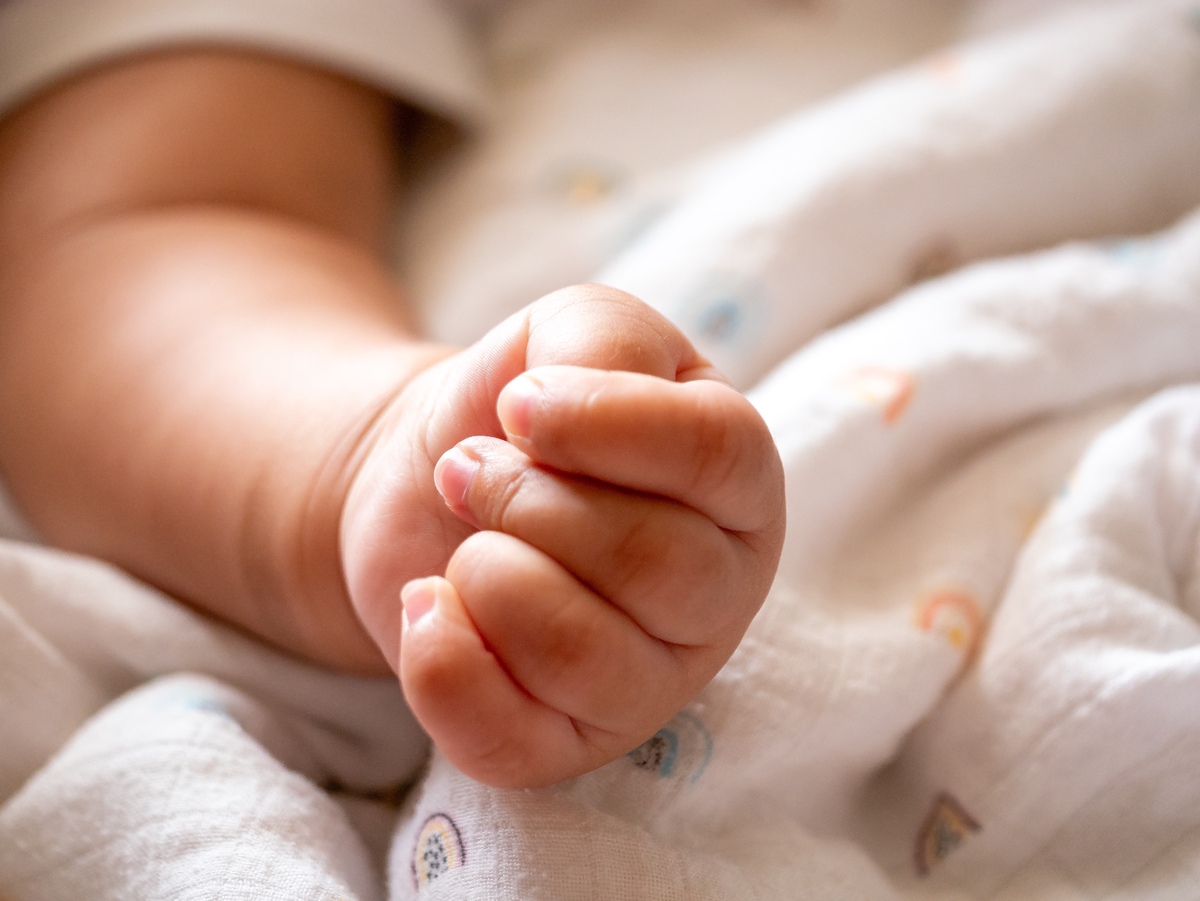
Let me show you why the ritual feels so intimate. Typically, a respected elder, often a grandparent, performs the ceremonial feeding. To be fair, there's no strict rule that it must be the maternal grandmother, but many families follow that custom.
Here's the thing: the ceremony follows a simple order. First, the table is set with the miniature dining set. Next, the elder pretends to feed the baby using special chopsticks or a small spoon. Then, family members take turns symbolically offering each dish, often starting with rice. Oh, almost forgot: a small stone called 'ishi' is sometimes placed near the tray in older variants as a charm to give the baby strong teeth. Sounds good, right?
Ever wondered why there’s a focus on utensils? The lacquered set used in many ceremonies is called an okuizome set, sold in gift shops and online across Japan, from department stores in Tokyo to specialty crafts shops in Kyoto. Unlike disposable sets, these are often kept as family heirlooms. Convinced yet?
Practical tips if you want to attend or hold an Okuizome
Do you plan to attend one soon? Bring a small, thoughtful gift for the baby or parents, such as a nicely wrapped baby towel or a note with wishes for health. Here's the thing: ask whether the family wants photographs during the ritual, because some households prefer a quiet, private moment.
Basically, if you're the one organising, aim for a flexible date around day 100, prepare the common dishes or order a prepared set from a local supermarket or restaurant, and invite a senior family member to play the ceremonial role. My tip? Consider buying a modest lacquered set online from stores in Kyoto or Tokyo if you want a keepsake. This is my absolute hidden gem!
But let's stick with practical language learning for a moment. If you're studying Japanese, try noting vocabulary like sekihan, tai, and osumashi in your flashcards. Seeing these words in cultural context helps them stick. From my experience, learners who connect language to ritual remember terms a lot faster.
In pictures
Frequently Asked Questions
Is the baby actually fed during Okuizome?
No. The feeding is symbolic. Adults pretend to feed the baby to wish them a lifetime without hunger.
When exactly should I hold the ceremony?
The ceremony is normally held around the 100th day after birth, though some families choose day 120 depending on local custom.
Can non-family members attend?
Yes, but it's polite to ask the parents first and bring a small gift or a card with wishes for the baby.


