Why Nintendo obsessed over Mii fart sounds in Tomodachi Life
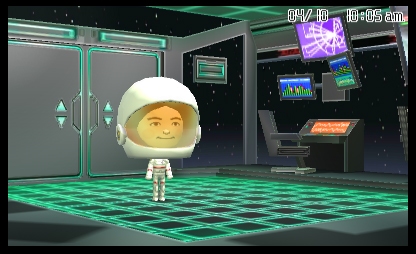
Did you know that Tomodachi Life, the quirky 2013 Nintendo 3DS title, included farts as part of its vocal palette? Sounds weird, but it's true. The game leans hard into absurd, kawaii humour, and the Miis needed tiny audio cues to make everyday moments feel alive, even the embarrassing ones.
![Dragon Ball Z: Kakarot [Master Edition]](https://s.pacn.ws/1/p/1eh/dragon-ball-z-kakarot-master-edition-908785.1.jpg?v=t8ja8t&width=400)


Let's be honest: Nintendo treats character details as character, not decoration. Miis first appeared on Wii in 2006, and by 2013 those little avatars had personality systems in Tomodachi Life that tracked friendships, jealousy and yes, bodily noises. What most people don't know is that Nintendo developers told GameSpot they agonised over every nuance because a bad fart could break the tone the designers wanted. Wild, isn't it?

How the team crafted believable Mii farts
Here's the kicker: this wasn't just a single sound file. Nintendo experimented with pitch, duration and the "character" of each fart to match a Mii's personality and body type. For example, a shy, elderly Mii would produce a different effect than a loud, brash teenager Mii. The audio team layered voiced syllables with synthesised textures, then adjusted timing so the sound landed with the action on screen. See what I mean?
Recording, synthesis and the odd experiment
Plot twist: some of the creative work involved voice actors and sound designers simulating noises, then manipulating those samples digitally. While we're at it, the team also tested how often a Mii should fart in public, balancing humour with taste. Here's the catch: too frequent and the game risked feeling juvenile; too rare and the moments lost their comedic payoff. Convinced yet?

Tuning for localisation
The first time I went to Japan, I noticed jokes that don't translate cleanly, and Nintendo faced the same issue. The fart gag needed different timing and context across regions, so audio cues were adjusted during localisation. For example, some cultures accept bathroom jokes more readily than others, so the team rebalanced frequency and emphasis for Western releases. From my experience, this kind of sensitivity is classic Nintendo.
What this says about Nintendo humour and Japanese game design
Question: why care about a fart? Because small details reflect a broader design philosophy. Nintendo often aims for "approachability" and charm, and Tomodachi Life is a social toy, not a competitive game. The tiny sounds helped convey personality without words, which links to Japanese cultural ideas about implied emotion and context in everyday life. Take anime slice-of-life shows, for instance, where subtle audio cues tell you more than dialogue. Sounds weird, but it works.

And it gets better: for language learners, the Tomodachi Life approach is instructive. You hear short vocal bursts and often repeated phrases, which can help with rhythm and intonation learning. My tip is to use clips of Mii speech and small sound bites to practice listening, especially if you're studying casual spoken patterns. Highly recommended: pair those clips with vocabulary flashcards, like friend words such as tomodachi and everyday verbs you hear in the game. From my experience, repetition in context helps retention.
What most people don't know is that attention to small sensory details is a hallmark of many Japanese studios, not just Nintendo. It's part craft and part cultural preference for refinement. For Japan enthusiasts, that obsessive polish is one reason titles feel so lovingly made, even when they're producing something as silly as a fart sound. Wild, isn't it?

And finally, if you want a mini case study, read the GameSpot piece linked above and poke around the Tomodachi Life Wikipedia page to compare dates and design notes. The game's release in Japan was in 2013, and it hit Western markets later, which let Nintendo iterate on localisation and audio. See what I mean?
In pictures


Frequently Asked Questions
Was Tomodachi Life released worldwide in 2013?
No. Tomodachi Life launched in Japan in 2013, with later releases in other regions.
Did Nintendo actually record real people for the fart sounds?
Yes, developers recorded samples and then edited and synthesised them to match Mii personalities.