
If you follow Japanese games closely, the conversation gets even more interesting when titles like Persona 3 Remake enter the picture. No wonder, because hardware means very little without real game performance, and that's where the first-year story gets properly revealing.
![Dragon Ball Z: Kakarot [Master Edition]](https://s.pacn.ws/1/p/1eh/dragon-ball-z-kakarot-master-edition-908785.1.jpg?v=t8ja8t&width=400)
![Startup Company [Console Edition] (Limited Edition)](https://s.pacn.ws/1/p/157/startup-company-console-edition-limited-edition-741799.16.jpg?v=ry4mm8&width=400)
![Startup Company [Console Edition]](https://s.pacn.ws/1/p/157/startup-company-console-edition-741779.10.jpg?v=ry4ngq&width=400)
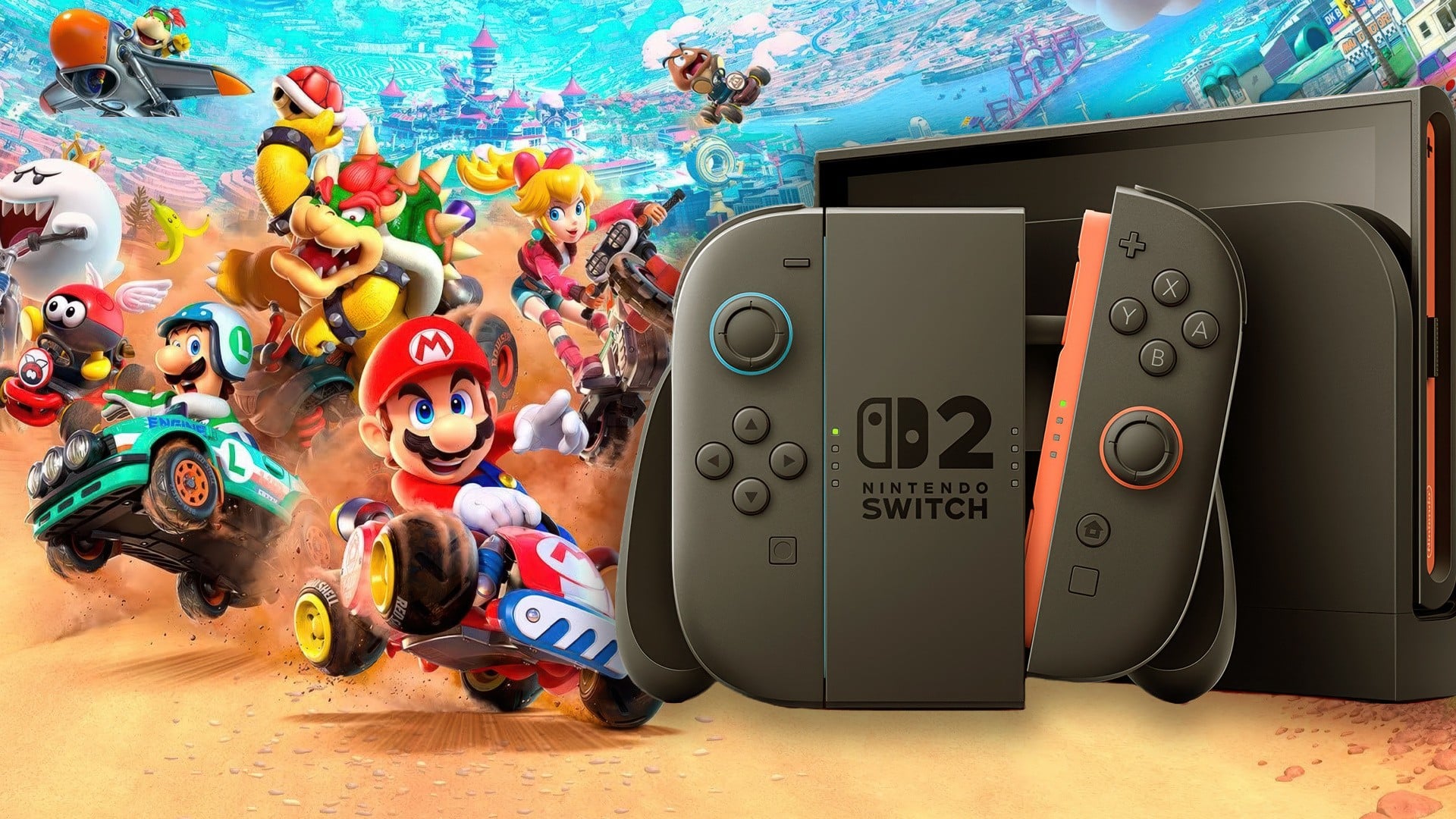
Nintendo Switch 2 and Digital Foundry after one year
Know that feeling when a new console launches, and everyone talks about specs for a week, then moves on to screenshots? That didn't happen here. Digital Foundry kept watching Nintendo Switch 2 through its first year, and their verdict leans more towards measured praise than hype.
Here's the deal: the site's hardware analysis always puts frame rates, image reconstruction, resolution targets, and thermal behaviour ahead of marketing language. For a Japan-focused gamer, that matters a lot, because Nintendo's biggest releases, plus ports from Atlus, Sega, and Square Enix, often tell the real story better than trailers do. Wild, isn't it?
What Digital Foundry seems to value most is consistency. Switch 2 doesn't need to match a PlayStation 5 or gaming PC, but it does need to make demanding games feel stable, and it needs to do it in a handheld form factor that still feels like a Nintendo machine. From my experience, that's exactly the kind of balance Nintendo fans notice after the launch excitement fades.
No wonder, because the first-year debate isn't only about raw power. It's about whether the machine finally gives developers enough room to build cleaner versions of modern games, while still keeping that pick-up-and-play appeal that makes a train ride on the Yamanote line feel like a gaming session waiting to happen. See what I mean?
Why the hardware talk matters so much
Imagine a narrow alley in Tokyo. It looks small from the outside, but every metre has a purpose. Switch 2 analysis works the same way, because every part of the system, from display output to memory bandwidth, affects what players actually see on screen.
Digital Foundry's style is technical, but it's never just numbers for the sake of numbers. They look at whether games hold their frame rate, whether image quality breaks down in motion, and whether ports feel like proper conversions or thin compromises. That kind of scrutiny is valuable for Japan fans, because Nintendo's ecosystem has always lived on software quality, not brute force.
Handheld and docked, both matter
For example: a handheld game can look fine in static screenshots and still shimmer badly during fast movement. Docked play can hide that, yet raise questions about output resolution and performance mode decisions. Digital Foundry tends to notice both, which is why their verdict feels more like a hardware review than a news item.
Pro tip: if you're learning Japanese, hardware discussions are a surprisingly good vocabulary lab. Words like コンピューター (konpyu-ta, computer), 画像 (gazou, image), 評価 (hyouka, evaluation; assessment), and 成績 (seiseki, results; record) show up all over gaming forums, especially when players debate whether a port is stable or not. Simple terms, but they open the door to real Japanese gaming conversation. Sounds good, right?
Persona 3 Remake shows what Switch 2 can do
Let me show you why Persona 3 Remake matters here. Atlus has a long history with Nintendo audiences, but Persona has often been associated with platforms that can push more detailed visuals. When a game like Persona 3 Reload, released in 2024, becomes part of the Switch 2 conversation, it's not just another port discussion, it's a test case.
What makes that test so useful is how many systems are being asked to work together. Character animation, UI clarity, lighting, load times, and scene transitions all reveal whether the hardware is comfortably handling modern production values. No exaggeration: if the game feels smooth and clean, the console earns trust fast.
That brings us to the bigger point. Switch 2's first year is about proving it can support more ambitious Japanese RPGs without losing the charm of Nintendo's own software. Persona 3 Remake is important because it sits right in that middle ground, stylish, text-heavy, and full of effects that can expose weak hardware instantly. Highly recommended: watch how many fans use one game to judge the whole platform.
If you are a Japanese learner, this is a useful genre to study too. RPG menus are packed with practical language, from kanji-heavy ability names to common verbs like 使う (tsukau, to use) and 置ける (okeru, to be able to place; to put down). Playing or reading about these games gives you native context, not textbook examples. From my experience, that makes the vocabulary stick much faster.
What the first year says about Nintendo Switch 2
Here's the thing: a first-year verdict is never only about launch titles. It also reflects how quickly a console can attract support from outside Nintendo, and whether its technical ceiling is high enough to keep ports respectable over time. If Digital Foundry sounds positive, it's because Switch 2 appears to give developers more breathing room than the original Switch ever did.
That said, a stronger system doesn't automatically solve everything. Port quality still depends on the studio, the engine, and the budget. One game may run beautifully, another may struggle, and that variability is exactly why analysis channels like Digital Foundry stay relevant after launch day is over. Wild, isn't it?
My tip: if you care about Japanese gaming, don't judge Switch 2 only by Nintendo's own titles. Watch how Atlus, Sega, and other Japanese studios use it, because that tells you whether the machine has real legs or just a strong opening month. When a console survives its first year with believable third-party support, you know the platform is on solid ground. See what I mean?
Frequently Asked Questions
What is Digital Foundry?
Digital Foundry is a technology and game-performance analysis outlet known for detailed reviews of frame rate, resolution, and graphics quality.
Why does Persona 3 Remake matter for Switch 2?
It is a demanding, stylish RPG that helps show how well the console handles modern Japanese games.
Is this mainly a news story?
No, it's closer to a hardware verdict and performance review than a breaking news piece.


