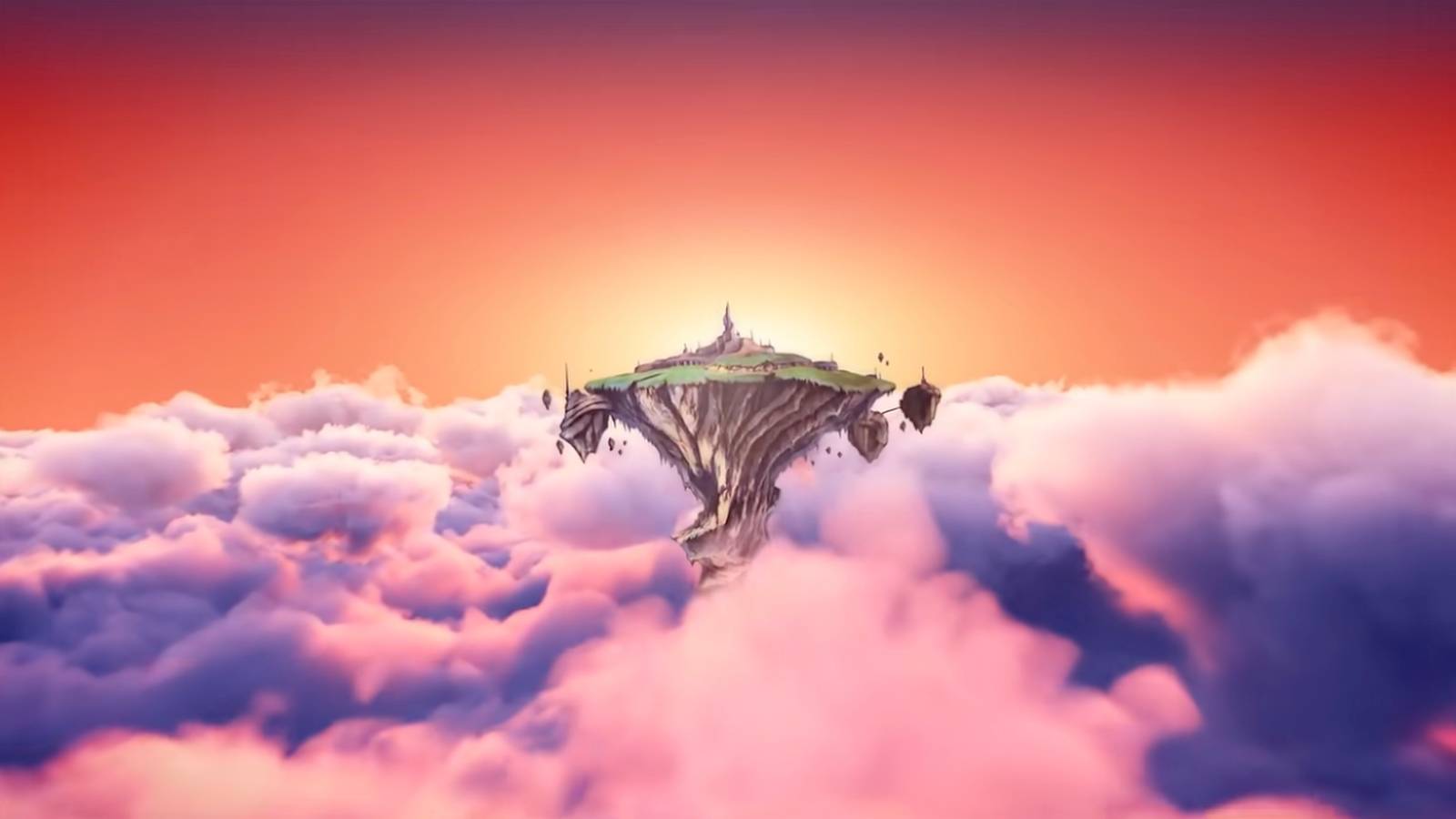
Release details: platforms, years and what to expect
Fact: the Aretha games originally launched in Japan between 1993 and 1995 on the Super Famicom and related platforms. Now, they’ve been packaged as the Aretha Collection 1993–1995 for PlayStation and Nintendo Switch.

![Startup Company [Console Edition] (Limited Edition)](https://s.pacn.ws/1/p/157/startup-company-console-edition-limited-edition-741799.16.jpg?v=ry4mm8&width=400)
![Startup Company [Console Edition]](https://s.pacn.ws/1/p/157/startup-company-console-edition-741779.10.jpg?v=ry4ngq&width=400)
Here's the thing: the announcement reported by Vice confirms a digital re-release sometime after three decades. This means modern accessibility for western audiences and preservation of a piece of Japan's JRPG legacy.
Which consoles and editions
Question: which PlayStation models will support the collection, and is there a physical release? At announcement time, the publisher listed PlayStation broadly. This means current digital storefronts on PlayStation family consoles and the Nintendo eShop for Nintendo Switch are targeted, though specific PS4 or PS5 branding wasn't clarified.
Take this for instance: collectors should keep an eye on region-specific releases because the original games were Japan-only. So, localization, packaging and bonus materials may vary by territory.
Why the Aretha series matters to Japan fans and language learners
Anecdote: I remember booting up a Super Famicom ROM and being struck by the old-school menu kana and the way town dialogue used polite forms. It felt like a mini-lesson in everyday Japanese culture.
Fun fact: Aretha blends fantasy tropes with slice-of-life town scenes. Reading its dialogue gives you practice with conversational particles and verbs in context, which helps with recognition of grammar and kanji compounds when paired with romaji study.
Learning Japanese through retro JRPGs
Direct address: if you're learning Japanese, play Aretha in the original Japanese audio or text. Pause at signboards and NPC lines, then copy vocabulary into your study deck, focusing on common words like town names and menu verbs.
Trust me on this one: old JRPGs often use repetitive phrases, which is perfect for spaced repetition. My tip? Note down verbs in their dictionary form and their masu-form. The change is a small step to reading more confidently.
Design, nostalgia and cultural context
Question: what makes the Super Famicom-era design so charming now? The pixel art, limited palettes and music by era composers create a specific kind of nostalgia tied to 1990s Japan, a period when gaming cafes and rental shops were common in big cities like Tokyo and Osaka.
Compared to back home, the Japanese retail and rental culture then meant you often discovered games through word of mouth and magazine previews. This gave titles like Aretha a cult following rather than massive mainstream exposure.
Hand on heart, what I especially like about this re-release is that it preserves original scripts and aesthetics. Even while offering modern conveniences like save states and digital distribution, you get authenticity without fumbling with aging cartridges.
Community and preservation
Direct address: join retro gaming communities on Reddit or Discord to follow patch notes, translations and fan guides. Some players create walkthroughs that double as reading practice and lore studies.
While we're at it, if a fan-made translation surfaces, check the thread for context and compare it with the Japanese text to learn synonyms and nuance. That comparison is a goldmine for advanced learners.
Insider tip: look for scans of old magazines and scanlations of manuals. They often include extra flavour text and developer interviews that explain naming conventions and character backstories. Classic Japan, isn’t it?
Practical advice for playing and studying
Anecdote: I used to screenshot battles and town descriptions, then annotate them with furigana and romaji in a note app. It turned each session into a short grammar lesson.
To be fair, don't expect modern RPG pacing or tutorials. Retro JRPGs often assume the player explores mechanics by experimentation, which is good practice for independent reading and inference in Japanese.
My verdict? Pick the Switch version if you want portability, and pick the PlayStation version if you prefer a living-room setup. Either way, the Aretha Collection is a rare chance to experience 1993–1995 Japanese RPG writing first-hand.
Wait, there's more! For collectors, tracking release windows by region and store promotions can secure limited editions or artbook bundles. So, subscribe to official publisher news and store alerts.
Frequently Asked Questions
When did the original Aretha games release?
The original Aretha titles were released in Japan between 1993 and 1995.
Which platforms will the collection be on?
The Aretha Collection 1993–1995 is announced for PlayStation platforms and Nintendo Switch via digital storefronts.
Is the collection localised in English?
Short answer: the initial announcement did not confirm full English localisation, so expect a possible Japan-first release with later localisation updates.