What is human shogi and why did 46,000 people show up?
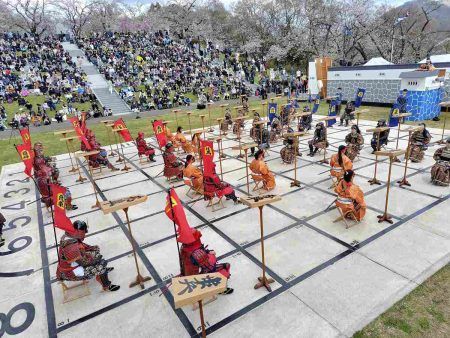
Know that feeling when a game becomes a live theatre? Human shogi, or 人間将棋 (ningen) shogi, turns the classic board game 将棋 (shogi) into a battlefield of real people wearing armour on a grid the size of a parking lot. The recent event reportedly attracted 46,000 spectators, a number large enough to fill a small stadium, according to a report by The Star.
But let's stick with the crowd count for now. Forty-six thousand is not only impressive; it tells you that this isn’t a niche re-enactment. It’s a mass cultural event blending sport, history, and showmanship. Wait, there's more.
Origins and local flavour: where does human shogi come from?
Question: where did human shogi start? A great example is Tendo City in Yamagata Prefecture, which is famous for its human shogi festival and for producing many wooden shogi pieces. The tradition dates back decades, with annual events staged near shrines and public squares to celebrate both shogi and local heritage.
Quick detour: human shogi is often tied to spring festivals, when communities choose representatives to wear 鎧 (yoroi) armour and march in processions called 武者行列 (musha) gyoretsu. Those processions feed straight into the board spectacle, giving spectators a layered experience of pageantry and competition. Convinced yet?
Costumes, choreography, and samurai styling
Did you know that the armour isn’t always museum-grade? Some sets are painstaking recreations of Sengoku-era designs, while others are modern, lightweight builds made for comfort under stadium lights. A typical piece represents a shogi role, like 飛車 (hisha) for rook or 角行 (kakugy)ō for bishop, and the actors play their moves with theatrical poses.
Design details and practicalities
Plot twist: the armour has to balance authenticity and safety. Organisers usually collaborate with local craftsmen and costume studios. They also rehearse moves ahead of time, so a captured piece knows when to fall dramatically. A helmet slip or a missed cue would ruin the illusion, so the staging is surprisingly technical. But that's not all.
Language and learning: how does human shogi help Japanese learners?
What most people don't know is that events like this are gold for language learners who want cultural context. You'll pick up shogi terms, military vocabulary, and festival phrases. Try memorising the kanji and reading at the same time, for example 王将 (oushou) for king or 金将 (kinsh)ō for gold general. My tip: learn the move names in Japanese, then watch a recorded match to hear them in announcements.



By the way, human shogi gives you repetition. Announcers call piece names in public, tourists chant, and signage lists roles in both Japanese and English. If you study a little before attending, you’ll recognise terms on the banners and be able to explain the game to friends. Simply brilliant. Wait, there's more.
Cultural quirks and why it’s quintessentially Japan
No joke: mixing pop culture spectacle with centuries-old games feels incredibly Japanese. The event brings together local governments, vendors selling festival food like yakisoba and taiyaki, and families making an annual pilgrimage. That reminds me, organisers sometimes invite professional shogi players or celebrities to act as commanders, adding legitimacy to the show.
On the flip side, while it’s theatrical, human shogi isn’t a competitive shogi match in the conventional sense. The moves are often predetermined for spectacle, and the emphasis is on storytelling as much as on strategy. But that's not all.
How to experience human shogi and study a bit of culture
Direct address: if you travel to Japan for a festival, check municipal event pages and station notices. Tickets can sell out fast when tens of thousands attend. A great example is Tendo, which publishes schedules and participant lists online, and local tourist associations often offer guided packages that include language pointers and behind-the-scenes tours.
What I especially like is the combination of live performance and language practice, you get to learn real words in context while enjoying street food under the same sky as actors in armour. Classic Japan, isn't it? Convinced yet?
Frequently Asked Questions
What is human shogi?
A live, staged version of shogi where people dressed in armour act as pieces on a giant board.
When do these events usually happen?
Most human shogi events occur during spring festivals, though dates vary by city and year.
Can tourists attend?
Yes, tourists can usually buy tickets or attend free parts like processions, but popular events may sell out.