
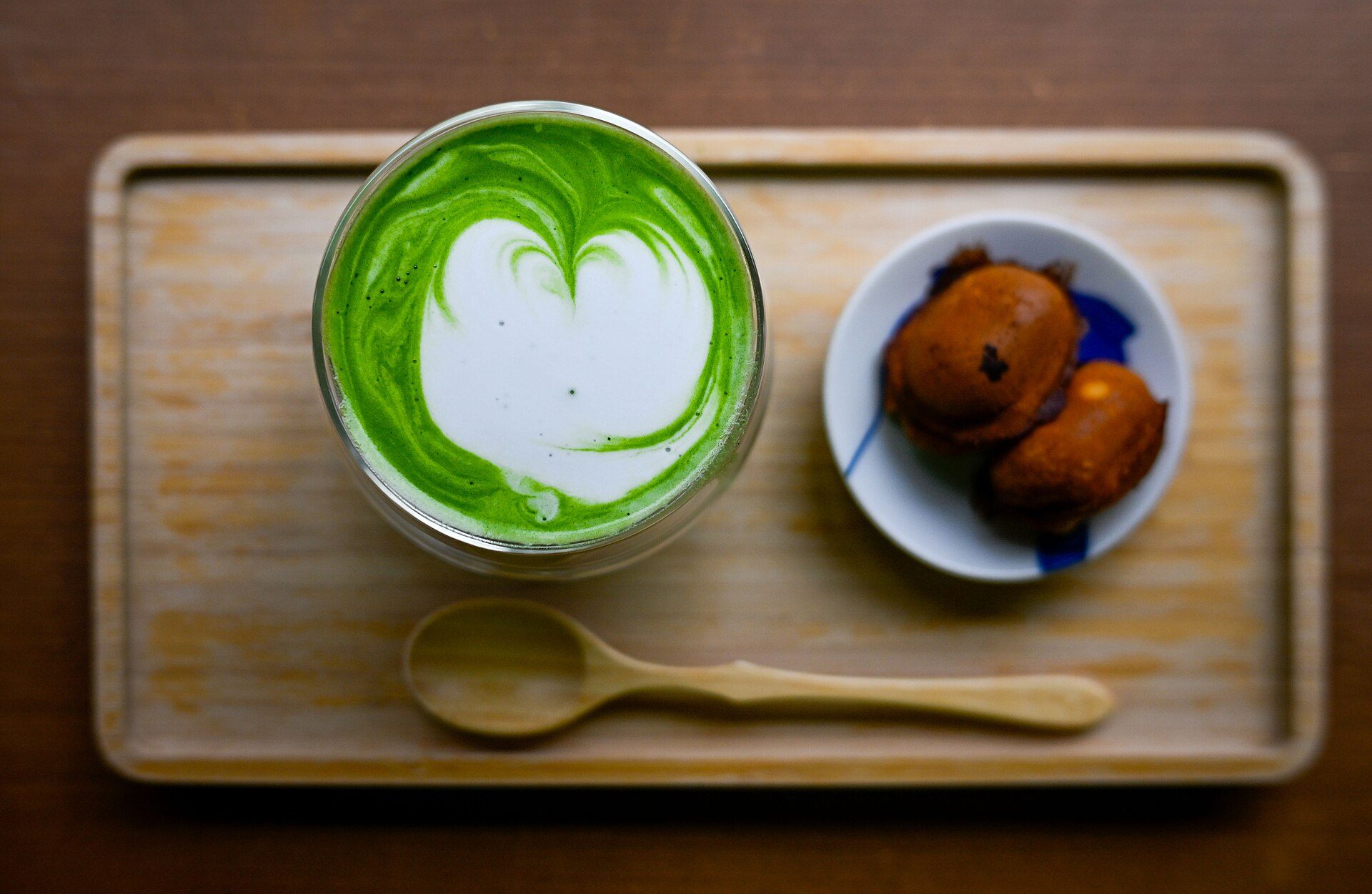
SAKURA MATCHA re-release and what changed
Ever wondered why brands revisit seasonal flavours in Japan? According to Foods Channel (Infomart), SAKURA MATCHA has returned in a limited re-release, presented not as a bottled drink but as a whiskable mix that you froth at home. But let's stick with the product facts for now. It no longer relies on steeping Camellia sinensis leaves like conventional matcha; instead, the formula is designed to create a cherry-blossom-flavoured foam you beat yourself. Sounds good, right?
Here's the thing: the announcement frames this as both a modern convenience and a playful ritual, aimed at spring markets and sakura season shoppers. On the flip side, this reinvention shifts the sensory focus from aroma and leaf quality to texture and presentation. From my experience, packaging that invites interaction often sells out quickly in Japan.
How SAKURA MATCHA works without tea leaves
What most people don't know is that you don't need tea leaves to get a matcha-like result. Basically, SAKURA MATCHA is a powdered mix that blends powdered sakura extract, milk-soluble components, and foaming agents so it can be whisked into a frothy drink with hot water or warm milk. Here's the catch: it's not matcha in the botanical sense, since matcha (抹茶, matcha) is traditionally stone-ground powdered green tea leaves. However, the product reproduces the visual and mouthfeel that many fans love.
How to whip it at home
Let me show you why a simple milk frother changes everything. Use an electric milk frother for 15 to 30 seconds, a small handheld whisk for 30 to 60 seconds, or a chasen if you want a nod to tea ceremony tools, though you won't be handling powdered tea leaves here. My tip? Try it with oat milk for a silkier foam and slightly sweeter sakura note; it's surprisingly good. From my experience, temperature matters: too hot and the floral notes flatten, too cool and the foam won't hold. Wait, there's more.
Roots in Edo sakurayu and sakuracha tradition
What many overlook is that modern sakura-flavoured products often trace their inspiration to historical practices. Sakurayu, also called sakuracha, is a celebratory infusion made by steeping a salted preserved cherry blossom in hot water, commonly served at weddings and formal occasions during the Edo period, which lasted from 1603 to 1868. On the flip side, SAKURA MATCHA doesn't recreate sakurayu exactly; it adapts the floral concept into a texture-forward beverage that resonates with contemporary cafe culture.
While we're at it, sakurayu's cultural role is worth noting for learners. The ritualized opening of a single salted sakura blossom carries seasonal and ceremonial vocabulary that's useful for Japanese study, especially if you're reading recipes or menus. Sounds good, right?
Why Japanese language learners and Japan fans should care
Question: how does this product tie to language learning? Let me show you why food culture is a brilliant vocabulary lab. When you read product labels, press releases, or packaging in stores, you'll encounter words like sakura, matcha, and seasonal terms such as shun. Practising these words helps you connect vocabulary to concrete sensory experiences, which boosts memory retention. From my experience, saying the words out loud while making the drink anchors both pronunciation and context.
What I especially like is that SAKURA MATCHA invites conversation starters. Try describing the texture with words like creamy, frothy, or floral when you write a short review in Japanese. Insider tip: take a photo of the foam and label it in a language notebook, with notes on how the product links to Edo-era sakurayu. You'll retain the vocabulary faster. Sounds good, right?
Frequently Asked Questions
Is SAKURA MATCHA the same as traditional matcha?
Short answer: no, it's not made from green tea leaves; it's a powdered mix designed to mimic matcha's look and create a cherry-blossom-flavoured foam.
Can I make it with water instead of milk?
Short answer: yes, you can use hot water, but using milk or a milk alternative usually gives a richer foam and mellower sakura flavour.
Where can I buy the re-release?
Short answer: check seasonal sections of Japanese supermarkets, online specialty shops, and announcements on Foods Channel (Infomart) for availability information.
Sources
- Foods Channel (Infomart) announcement about SAKURA MATCHA
- Sakura tea (Wikipedia)
- Edo period (Wikipedia)


