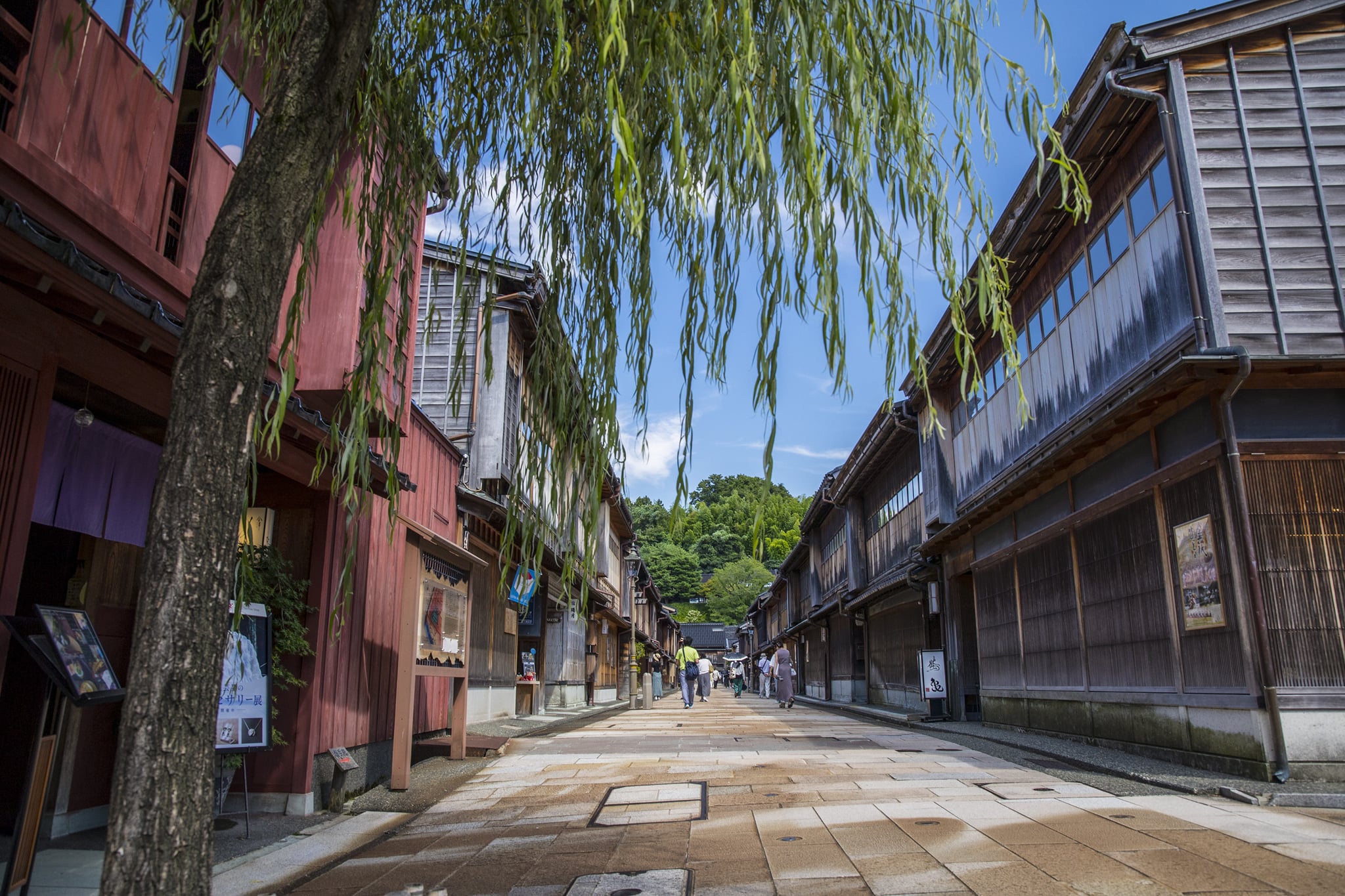
Takayama: Old-town charm in the Japanese Alps
Have you walked down Sanmachi Suji in Takayama at dawn when the wooden merchant houses still smell faintly of cedar? The preserved streets, first built during the Edo period, feel almost theatrical. What most people don't know is that Takayama's yearly Takayama Matsuri in April and October is considered one of Japan's top three festivals, and the floats date back to the 17th and 18th centuries. Sounds good, right?
Fact: Takayama sits in Gifu Prefecture and is famous for its morning markets, traditional lacquerware, and the Hida beef that many visitors chase. My tip? Try the local miso oden at an evening stall; it's warming and cheap. From my experience, the town's small museums give better context than read-only guidebooks.
How to reach Takayama by Shinkansen in around five hours
Compared to back home, train travel in Japan is precise and surprisingly comfortable, even when you combine Shinkansen and limited express trains. Here's the kicker: you can reach Takayama from Tokyo in around five hours by taking the Tokaido Shinkansen to Nagoya and then switching to the Limited Express Hida to Takayama. No wonder, because the high-speed leg covers the long distance quickly while the Hida line climbs into the mountains at a relaxed pace.
Typical route from Tokyo
The first time I went to Japan, I learned the exact timings the hard way. Take the Nozomi or Hikari from Tokyo to Nagoya; journey time is about 1 hour 40 minutes on Nozomi. Then, reserve a seat on the Limited Express Hida from Nagoya to Takayama, which takes roughly 2 hours 15 to 2 hours 30 minutes. Allow 20 to 40 minutes for transfer time, and you're looking at roughly four and a half to five hours total. For timetables and seat reservations, see JR Central. My verdict:
Routes from Kansai or further west
Plot twist: if you're starting in Osaka or Kyoto, your Shinkansen leg to Nagoya is shorter, about 50 to 70 minutes. So, total travel to Takayama can drop to about three and a half to four hours. Alternatively, from Kanazawa, you can reach Takayama on the JR Takayama Line in approximately 2 hours 15 minutes, which makes Kanazawa a handy hub. From my experience, booking the Limited Express Hida in advance during Golden Week or Obon is wise.
A coastal alternative: Kanazawa and the Noto Peninsula
Ask a local, and they'll often say Kanazawa feels like a coastal Kyoto because it preserved samurai districts, geisha teahouses, and Kenroku-en, one of Japan's top three gardens. The Hokuriku Shinkansen connects Tokyo to Kanazawa in about 2 hours 30 minutes on the faster Kagayaki services, so you can enjoy a comfortable city-to-coast jump. Not bad, right?



On a related note, Kanazawa is both a practical base and a scenic destination. From here, you can day-trip to the Noto Peninsula, including scenic coastline, Wajima's morning market, and the UNESCO-listed Gokayama gassho-zukuri villages, which are reachable by bus in 1.5 to 2 hours. What I especially like is combining a tea ceremony in Nagamachi with seafood at Omicho Market, making for a perfect language-learning day. My tip? Practice your market phrases before you go; simple greetings go a long way with sellers.
Why these routes work for learners
Direct address: If you're studying Japanese, these slower, regional legs are gold mines for vocabulary practice. You'll meet friendly shopkeepers, try local omotenashi customs, and encounter regional dialects that highlight grammar and pronunciation differences. That brings us to station announcements: listening to both station English and Japanese trainspeak helps tune your ear to natural pacing. From my experience, carrying a small phrasebook and a notebook turns every train stop into a mini-lesson.
Planning tips and seasonal notes
Anecdote: I once missed a bus in the Noto because I got lost photographing a fishing port, and the resulting conversation with an elderly man taught me the word for tide and got me a free ride. No wonder, because people outside cities often have time to chat. Spring and autumn are best for clearer weather and festivals; winter transforms mountain towns like Takayama into postcard scenes with snow-covered roofs, perfect if you love bright cold days.
But let's stick with practicalities for now. Buy a JR pass only if your itinerary uses long-distance Shinkansen enough to cover the cost. Reserve seats for Hida trains during high season. Bring cash for small markets where cards may not be accepted. Sounds weird, but it's true; carrying small denomination yen is very helpful. My verdict:
Frequently Asked Questions
Can I get to Takayama entirely by Shinkansen?
No. You must combine Shinkansen to Nagoya with the Limited Express Hida to reach Takayama.
Is Kanazawa a coastal town with Shinkansen access?
Yes. Kanazawa is on the Sea of Japan coast and is served by the Hokuriku Shinkansen from Tokyo in about 2 hours 30 minutes.
Sources
- Der Standard - Japan's most beautiful places away from crowded cities
- JR Central - Tokaido Shinkansen information
- Japan-Guide: Kanazawa
- Hida Takayama Official Tourism - Takayama Matsuri