Location and concept: an izakaya in Da Nang city centre
Picture this: a compact spot on a busy street in Da Nang's centre, within walking distance of the Han River, that bills itself as an Okinawa-Miyakojima izakaya. The new place opened recently in central Da Nang, targeting both locals and Japan-interested expats, and the tiny neighbourhood feel fits the izakaya vibe perfectly. No joke, the owner describes it as a place to eat, chat, and sip slowly, much like the small bars you find tucked away in Naha, Okinawa.
Menu focus: homey Okinawa and Miyakojima dishes
The first time I saw the menu, I smiled because it leans on island home cooking rather than mainstream Tokyo sushi fare. Expect dishes inspired by Okinawa and Miyakojima, with items like 沖縄そば (Okinawa soba) variations and ソーキそば (sōki soba), plus fried snacks and small plates suited to sharing. The best part is they highlight regional staples such as ゴーヤーチャンプルー (goya champuru), a bitter melon stir-fry, and seasonal vegetables from local suppliers.
Signature plates and prices
Here's the thing: portions are izakaya-sized, so you'll pay per plate and mix many. Expect around VND 120,000 to 220,000 per dish for mains, with small plates from VND 60,000. I especially like the slow-cooked pork rib soki, which leans sweet-savory and pairs well with their handmade condiments. My tip? Order three small plates for two people, so you get variety without waste.
Drinks and Okinawan spirits
By the way, drinks are an essential part of the experience, and this bar stocks 泡盛 (awamori) bottles imported from Okinawa and Miyakojima. That brings us to the drinking culture: awamori is stronger than regular shōchū, and they serve it neat, on the rocks, or with soda. Oh, almost forgot! They also pour basic sakes and a handful of Japanese beers for visitors who want familiar tastes.
Pairing tips for learners
What I especially like is that the staff are happy to explain simple vocabulary while you order, which is great practice for learners. Ask for the menu items using the ... marker names aloud, then note the kanji and romaji the staff write for you. Insider tip: practicing words like 泡盛 (awamori) and ゴーヤーチャンプルー (goya champuru) aloud makes ordering more fun and less intimidating.
Interior and atmosphere: Japanese-modern style in Vietnam
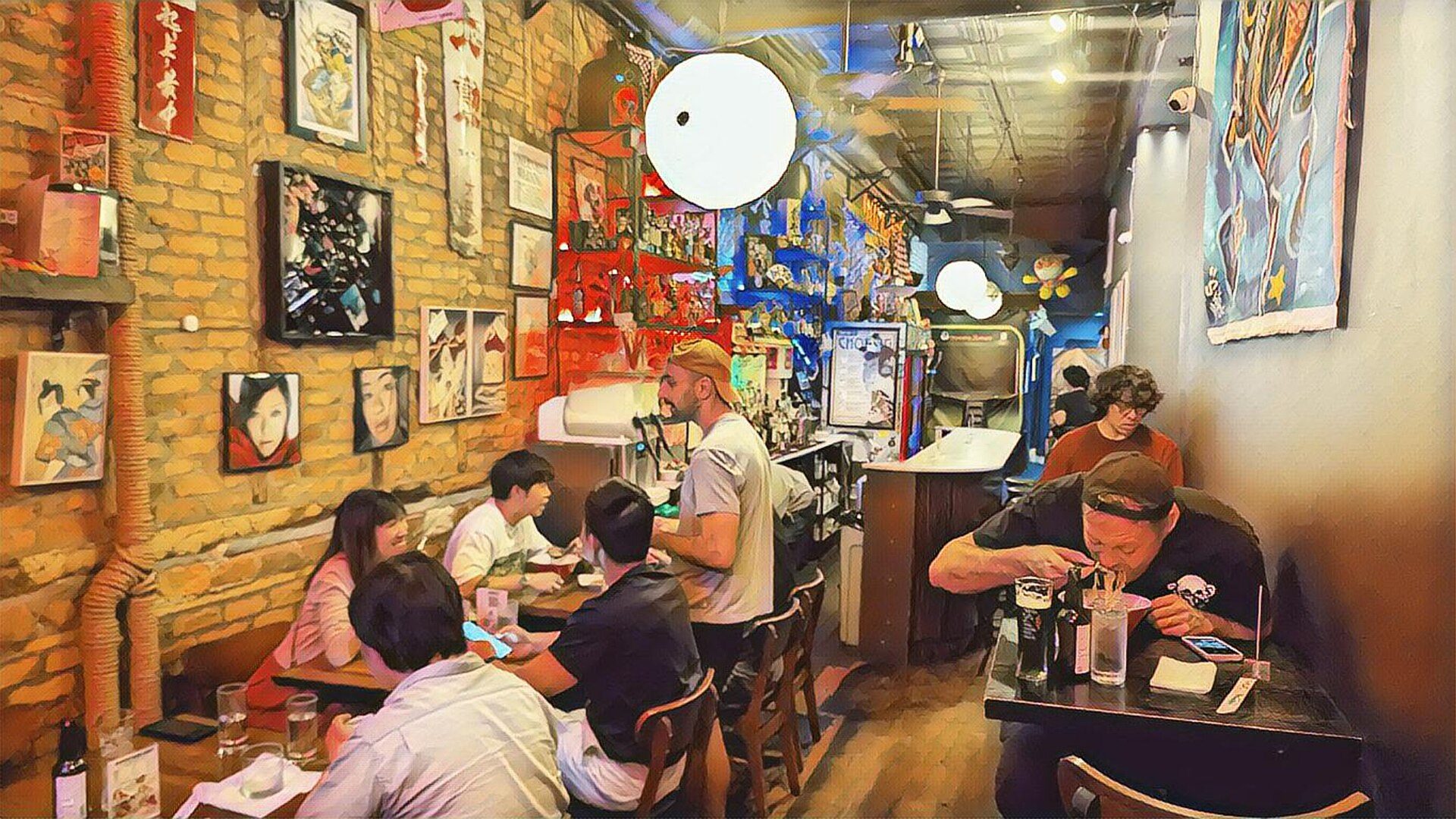
I still remember my first walk-in: light wood panels, soft lantern lighting, and concrete floors, giving a Japanese-modern, casual look. The interior mixes Okinawan design hints, like small ceramic pieces and island-style crafts, with a clean modern aesthetic common to izakayas in Tokyo since the 2010s. Sounds good, right?
Question: does the space feel authentic? In my view, authenticity here is less about copying a particular bar and more about creating a relaxed place that invites conversation. The seating includes counter spots for solo visitors and low tables for groups who want a longer meal and drinks.
Why Japan fans and language learners should visit
Fact: regional Japanese cuisine teaches you different words and cultural habits that Tokyo-centric guides often miss. Visiting a place that focuses on Okinawa and Miyakojima introduces vocabulary tied to ingredients, cooking methods, and drinking culture. The best part? It's a cultural shortcut, tasting and learning at the same time.
Picture this: you try サーターアンダギー (sata andagi) for dessert, ask about the ingredient list, and come away remembering the word for deep-fried cake. Convinced yet?
Frequently Asked Questions
Where is the izakaya located in Da Nang?
It's in central Da Nang, within walking distance of major riverfront areas. Check local maps or the original press link for the exact street address.
Do they serve alcoholic and non-alcoholic options?
Yes, they serve Okinawan awamori, sake, beers, and non-alcoholic soft drinks suitable for visitors who don't drink.