That matters, because this isn’t just a decorative nod to Scandinavia and Japan sitting politely in the same brochure. It’s an actual dining setup in a specific place, Uga Valley in Mie, where the outdoors does the heavy lifting and the evening format borrows from the very Japanese habit of making dinner feel like a small social ritual. Handy if you like your food with atmosphere and your vocabulary with a bit of useful context.
What Izakaya Hygge is, and where it is happening
居酒屋 (Izakaya, Japanese pub / casual drinking place) Hygge is being offered at Nordisk Hygge Circles UGAKEI, the outdoor resort in Mie Prefecture built around the Uga Valley area. The venue announcement places the concept in the 焚き火 (takibi, campfire / open fire) garden, which is the important bit, because the fire setting isn’t decorative garnish, it’s the whole mood.
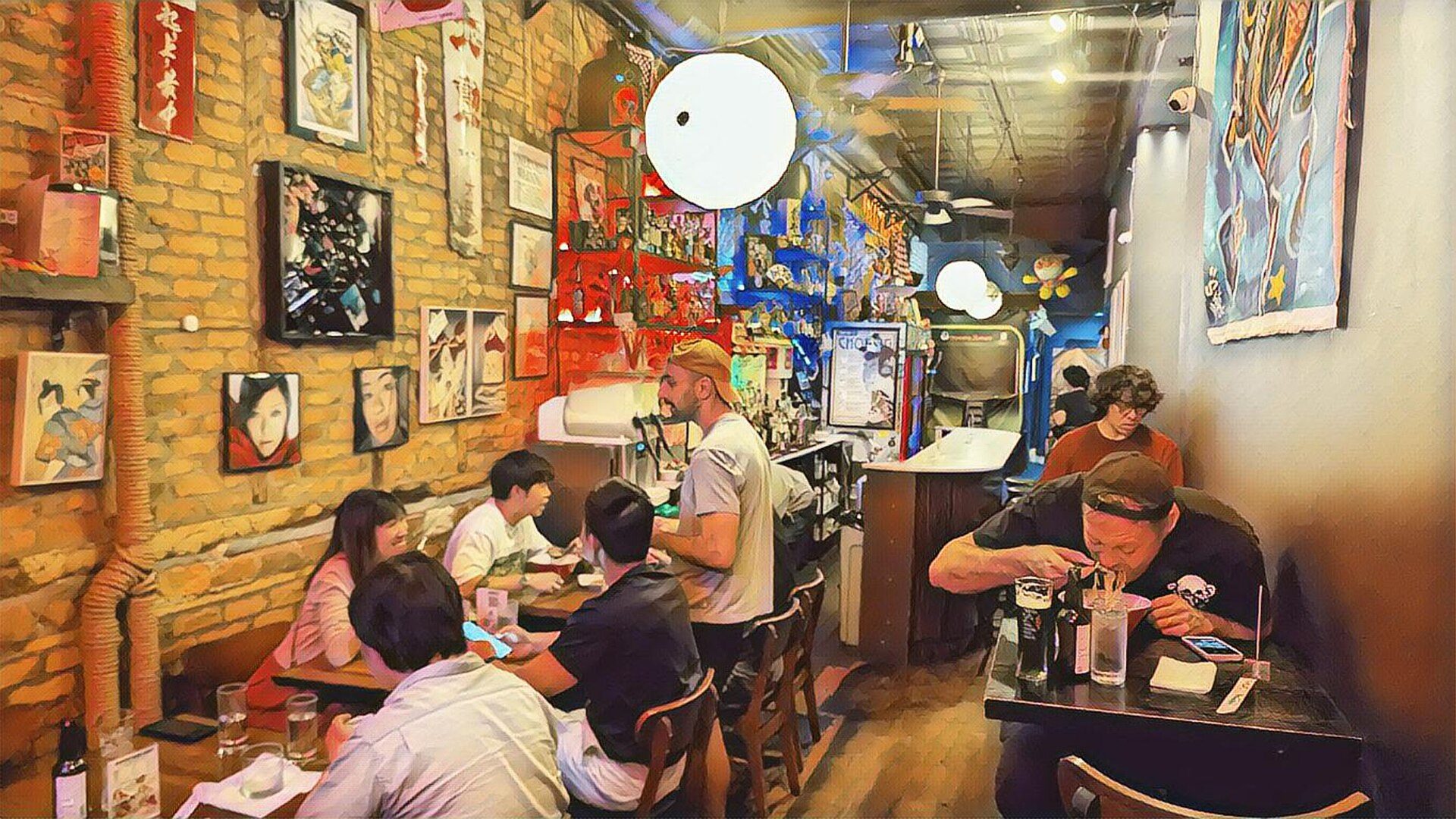
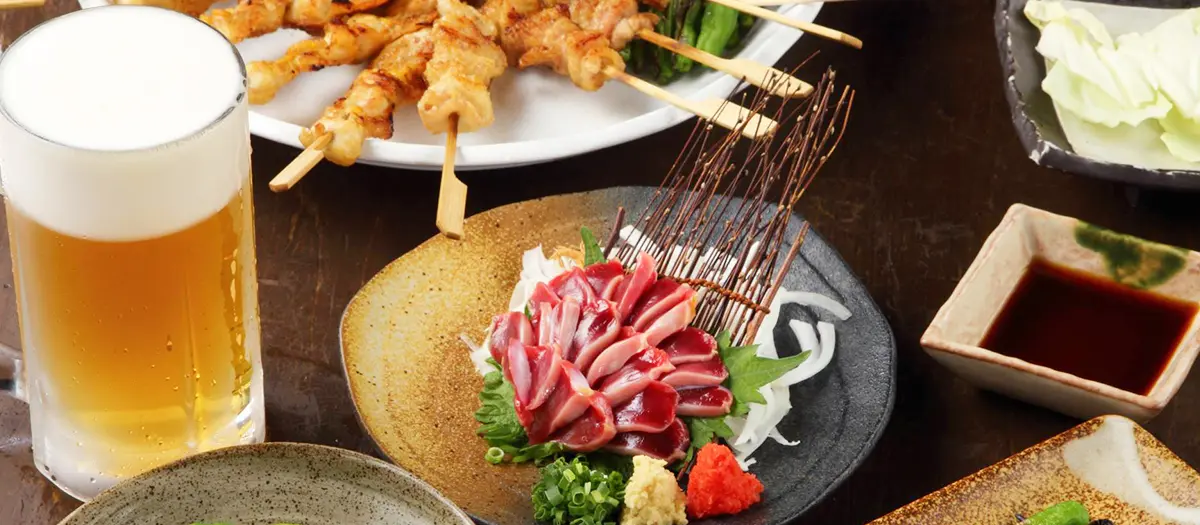
The idea is simple enough to explain, though Japan has a habit of making simple things look better than they have any right to. You get an izakaya-style dinner in an outdoor environment shaped by hygge, the Danish idea of comfort and cosiness, then you add takibi, the Japanese love of sitting around a fire and pretending that this is all very spontaneous when, in fact, someone’s clearly thought about every cushion.
For Japanese learners, this is also a neat vocabulary cluster. Izakaya means a casual drinking-and-eating place, takibi means a campfire or open fire, and 忘年会 (bonenkai) refers to the year-end party season, when people gather to forget the disasters of the year before the calendar politely resets itself.
The takibi garden is the point, not the backdrop
At many places, the fire pit is there because someone felt the site needed a visual anchor. Here, the takibi garden seems to be the organising principle, which changes the whole equation. Dinner becomes slower, the room becomes the outdoors, and the outdoors becomes a bit more deliberate than a normal campsite, or a normal izakaya, for that matter.
Nordisk Hygge Circles UGAKEI already has a strong identity as a nature-focused stay, with the broader site known for tent and cabin formats as well as a free riverside area called Wild CIRCLES. That gives this new dinner concept a sensible home. It isn’t being parachuted into an urban box and told to behave itself. It belongs to a place where evening air, river sounds, and firelight can do most of the work without anyone having to over-explain the ambience.
And yes, ambience is doing a lot of heavy lifting here. But that’s rather the point. Izakaya culture is social, slightly loose around the edges, and happiest when people can stay for a second drink or a third plate without the clock glaring at them. Put that into a garden with fire, and the result is properly coherent rather than gimmicky.
Why the New Year and bonenkai angle matters
The venue is framing Izakaya Hygge as a setting for New Year and bonenkai gatherings, which tells you exactly what kind of evening it wants to be. Bonenkai is the classic Japanese end-of-year party, usually involving colleagues, friends, or both, and usually operating on the assumption that the year has been tiring enough to justify a decent meal and a long drink.
That seasonal angle gives the concept some useful structure. Instead of being just another pretty dinner package, it becomes a place for group booking, year-end catch-ups, and the slightly emotional business of closing one chapter before opening the next. New Year dining in Japan often carries that same double feeling, part celebration, part reset, part practical excuse to gather everyone in one place before the chaos of January returns.
My tip: if you’re learning Japanese, this is the sort of context where one word does a lot of cultural work. Bonenkai isn’t just a party, it’s a social ritual with timing, expectations, and a very specific end-of-year atmosphere. Japanese is full of these little bundles of meaning, which is annoying if you only want a translation, and excellent if you like language with texture.
What makes the concept interesting for Japan fans
There are plenty of places in Japan that borrow from foreign ideas, and just as many foreign places that borrow from Japan badly, usually with lanterns and a chalkboard written in a questionable font. Izakaya Hygge is more interesting because it joins two systems that already value shared time, casual food, and warmth, then lets the setting do the translation.
That’s the clever bit. A typical izakaya is about informality and pace, while hygge is about comfort and ease. Put them together in Uga Valley, add firelight, and you get something that feels less like a themed restaurant and more like a proper evening format. The food matters, obviously, but so does the way the room encourages people to settle in, order again, and stay a while. Japan does this rather well when it isn’t trying too hard.
And for visitors or learners planning a trip, the broader lesson is useful. A place like this isn’t only about eating; it’s about reading a setting. Japanese terms such as izakaya, takibi, and bonenkai are easier to remember when they’re attached to an actual context, not just a flashcard with a smug little example sentence. Put the word in a place, and it tends to stay there.
Frequently Asked Questions
Where is Izakaya Hygge located?
It is at Nordisk Hygge Circles UGAKEI in Mie Prefecture, in the Uga Valley area.
What kind of setting does it use?
The concept is built around the takibi garden, so the main feature is an outdoor fire-focused dinner atmosphere.
Is it aimed at special occasions?
Yes, the venue is presenting it with New Year and bonenkai gatherings in mind, so it suits group dinners and seasonal get-togethers.