Overview
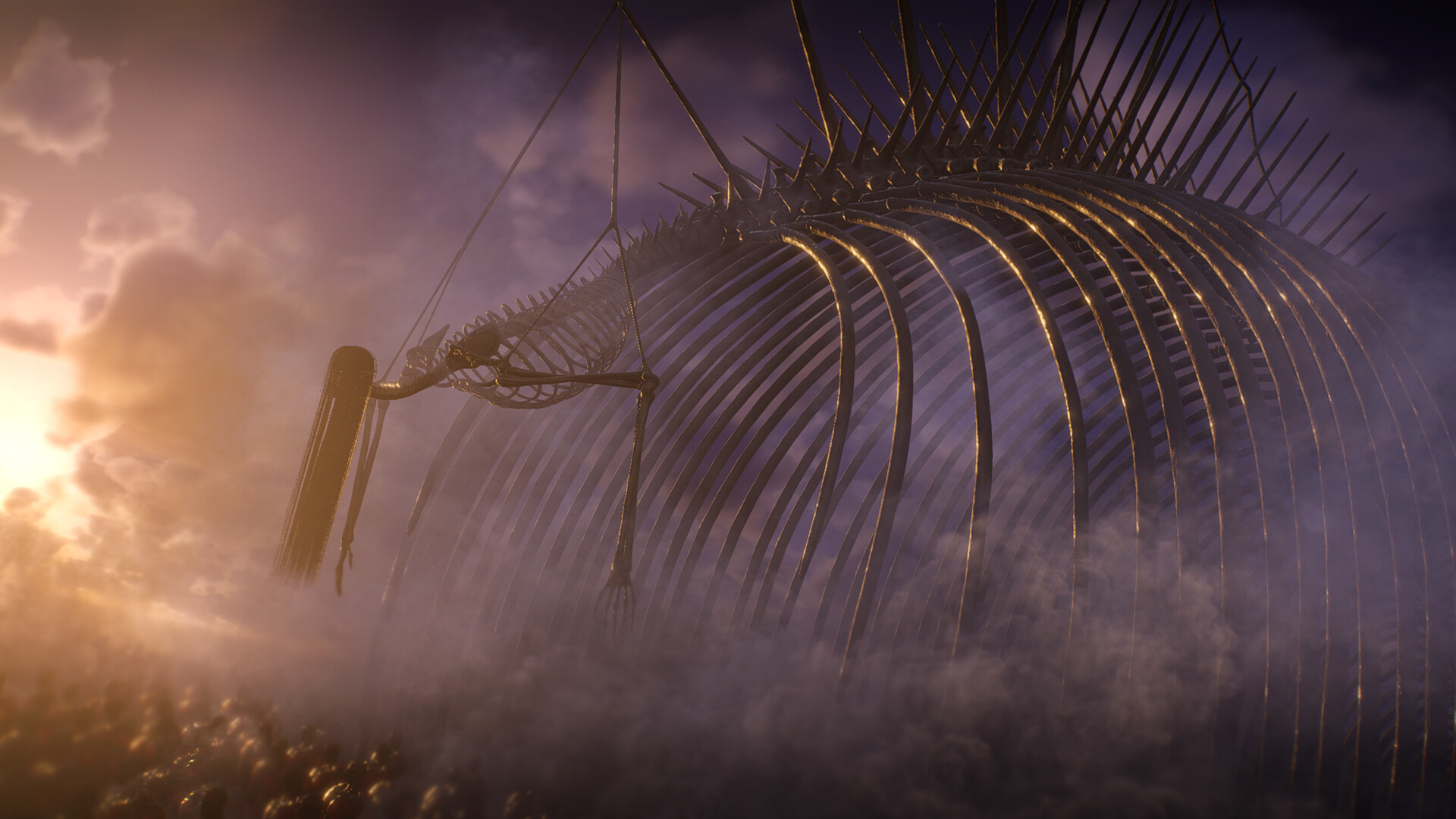
Attack on Titan, or Shingeki no Kyojin, is one of those series that never really stops being relevant, because it works on multiple levels at once. It is a brutal, emotional TV anime about survival and power, yes, but it is also the kind of franchise that leaks into real life through merch, fashion, and fandom culture in a way that feels strangely natural instead of forced. And that is where the current Cospa release is so on-brand it almost hurts, in a good way.
The new apparel includes Straight Jeans and a Fatigue Jacket, both tied to the TV anime and built as everyday clothing rather than full cosplay. That distinction matters. A lot of anime merch looks like it got designed by someone who has never left their room, but these pieces are meant to be worn outside, which is exactly why they land. They carry clear Survey Corps, also called Recon Corps, styling without turning you into a walking convention booth.
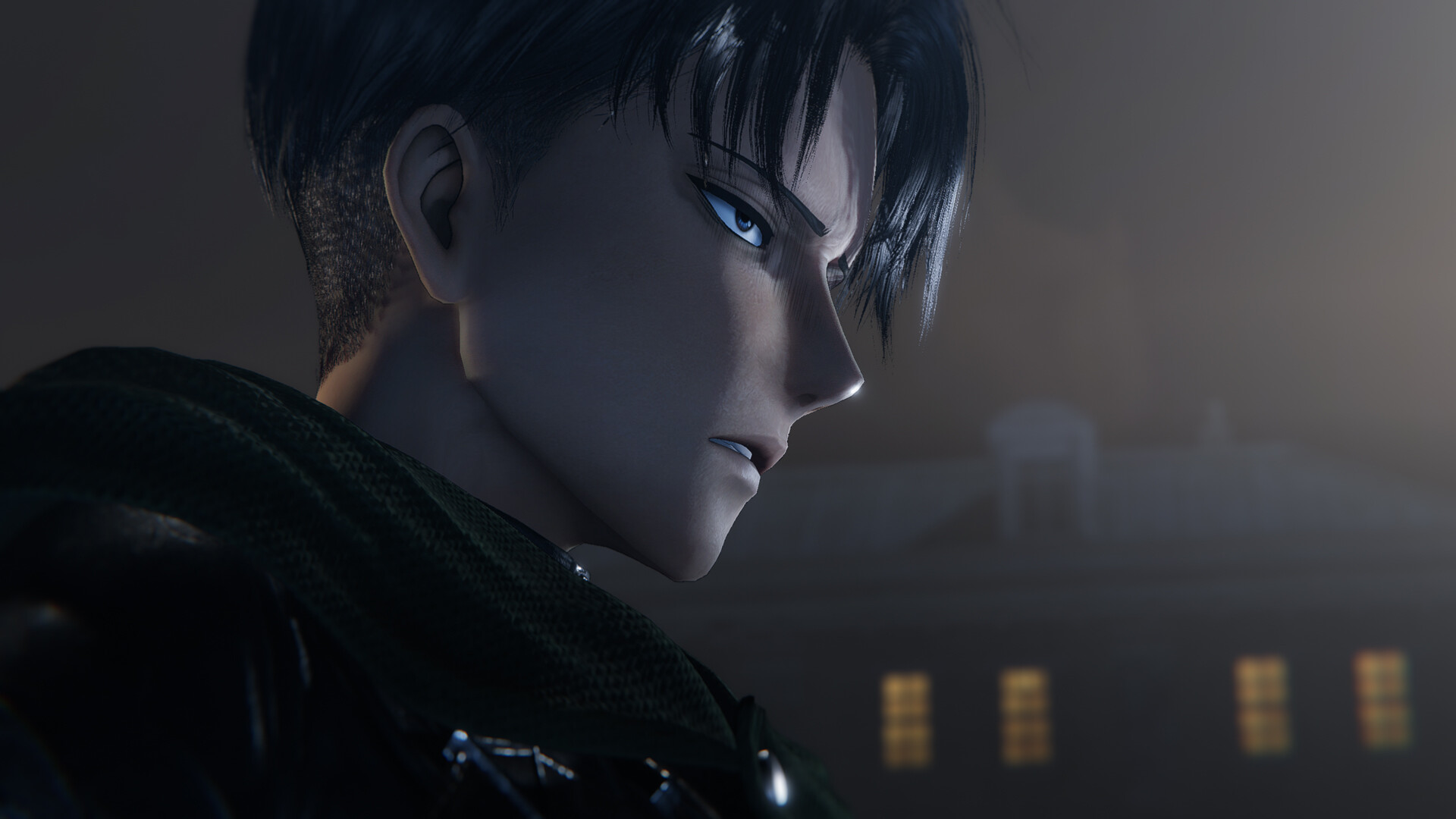
If you are looking for an Attack on Titan news update that goes beyond the usual headline churn, this is the useful part: the franchise still has enough visual identity to support fashion that feels like fashion, not a costume you panic-bought three days before an event. That is the whole trick.
Why the anime still matters
Attack on Titan became huge because it knew how to move between mystery, horror, and politics without losing momentum. The premise is simple enough to explain in one breath, then the story keeps opening new traps under your feet. Walls, Titans, military pressure, secrets, betrayal, and the constant question of who gets to decide the future, all of that gives the series its bite. And yes, the characters carry a ridiculous amount of the weight, because if Eren, Mikasa, Armin, Levi, and the rest did not feel like they were made of real panic and stubbornness, the whole thing would collapse.
For anime fans, it remains a benchmark series because it made action feel consequential again. Not random chaos, not pretty noise, but pressure. The stakes keep escalating, sure, but the series also knows when to go quiet, and those are often the moments that hit hardest. Weirdly, that is what keeps people coming back, the way the show can be loud and devastating, then suddenly turn into a slow burn of dread and regret.
What the new Cospa pieces tell us about the franchise
The new Cospa items are a small but telling example of how this franchise continues to live in the real world. Straight Jeans and a Fatigue Jacket are basic, practical staples, which makes them smarter than flashy novelty merch. They are tied to the TV anime version of Shingeki no Kyojin and designed for normal wear, but the styling clearly nods to the Survey Corps. So you get the vibe without screaming fandom at everyone in the room. Honestly, that is the sweet spot.
For collectors, this kind of release is interesting because it shows what kind of visual language still defines Attack on Titan years into its life cycle. The Survey Corps look is instantly recognizable, and fashion pieces that borrow from it work because the uniform design already has a strong silhouette. There is a reason fans latch onto jackets, harness-like details, and military-inspired shapes. The series created a look that is functional, iconic, and a little bit haunted. Which, frankly, is perfect.
And if you are the kind of fan who likes reading merch as part of the broader ecosystem, this is basically a case study in how anime branding survives beyond the screen. It is not just about logo slapping. It is about translating atmosphere into something wearable.
How this connects to Japanese fandom language and learning
One reason Attack on Titan keeps showing up in discussions about language and culture is that fans often meet it through titles, terms, and shorthand before they ever get into the story itself. The Japanese title Shingeki no Kyojin is the original phrasing you will see around the franchise, and anime fans also run into terms like 先輩 (senpai), which means an upperclassman or senior in a social or school context, and 声優 (seiyuu), which means voice actor. Those words pop up all over fandom spaces, and this series is no exception.
If you are building Attack on Titan japanisch lernen habits, this is actually a decent franchise to use as practice because the vocabulary around it is so recognizable. The title itself can be a starting point for Attack on Titan kanji study, especially if you are learning how franchise names get written, read, and discussed in Japanese media spaces. For a lot of learners, the useful part is not memorizing isolated words, but seeing how a series name, character references, and fandom talk show up in actual conversation. That is the real hook.
And yes, this is exactly the sort of thing that makes anime learning feel less like homework and more like decoding a world you already care about. Much better. Less soul-crushing.

Related titles and what fans usually pair it with
If Attack on Titan is your thing, you are probably already bouncing between other series that do pressure, survival, or military tension well. There is a reason fans often cross over into darker shonen, dystopian drama, and high-stakes ensemble stories. The appeal is not just giant monsters, it is the feeling that everyone is always one bad decision away from disaster.
- Dark survival anime with a heavy focus on conflict and moral stress
- Military or tactical series where group dynamics matter as much as spectacle
- Action anime with strong worldbuilding and a grim emotional core
- Merch-driven fandoms where everyday wear and collector items coexist
That last one matters more than people admit. A franchise becomes long-lived when it can survive as a story, as a visual identity, and as something fans want to wear or display. Attack on Titan absolutely clears that bar.
Where to watch and stream it
For viewers coming in fresh, the safest approach is to check the major legal anime streaming platforms in your region, because availability can change by country and by season. If you are already deep in the fandom, you probably know the drill, but if not, the series is typically found through mainstream anime streaming services that carry TV anime catalog titles. That is the practical answer, and the one that saves you from bad uploads and weird subtitle nonsense.
My advice is simple: watch the series in order, give it time, and do not treat it like background noise. Attack on Titan rewards attention. The setup, the reveals, the character shifts, the atmosphere, the whole thing, it is built to be watched with your phone put away for once. Genuinely.
Frequently Asked Questions
What is the new Attack on Titan Cospa release?
Cospa announced new Attack on Titan apparel, including Straight Jeans and a Fatigue Jacket, both tied to the TV anime.
Are the new items cosplay or regular clothes?
They are designed as everyday wearable clothing rather than costumes.
What part of Attack on Titan inspired the apparel?
The items have clear references to the Survey Corps, also called the Recon Corps.
Where can I watch Attack on Titan?
You should check the major legal anime streaming platforms in your region, since availability varies by country.
Is Attack on Titan useful for Japanisch learning?
Yes, it can help with franchise names and fandom vocabulary, including the original title Shingeki no Kyojin and related anime terms.