That detail matters. Tokyo has plenty of seasonal light-ups, but this one is built around movement, sound, and a fixed course, which gives it a different rhythm. If you’re learning Japanese, it’s also a neat example of how event names often pack in meaning: yoyogi, 森 (mori, forest), 光 (hikari, light), and a strong sense of place.
A winter illumination with a set route
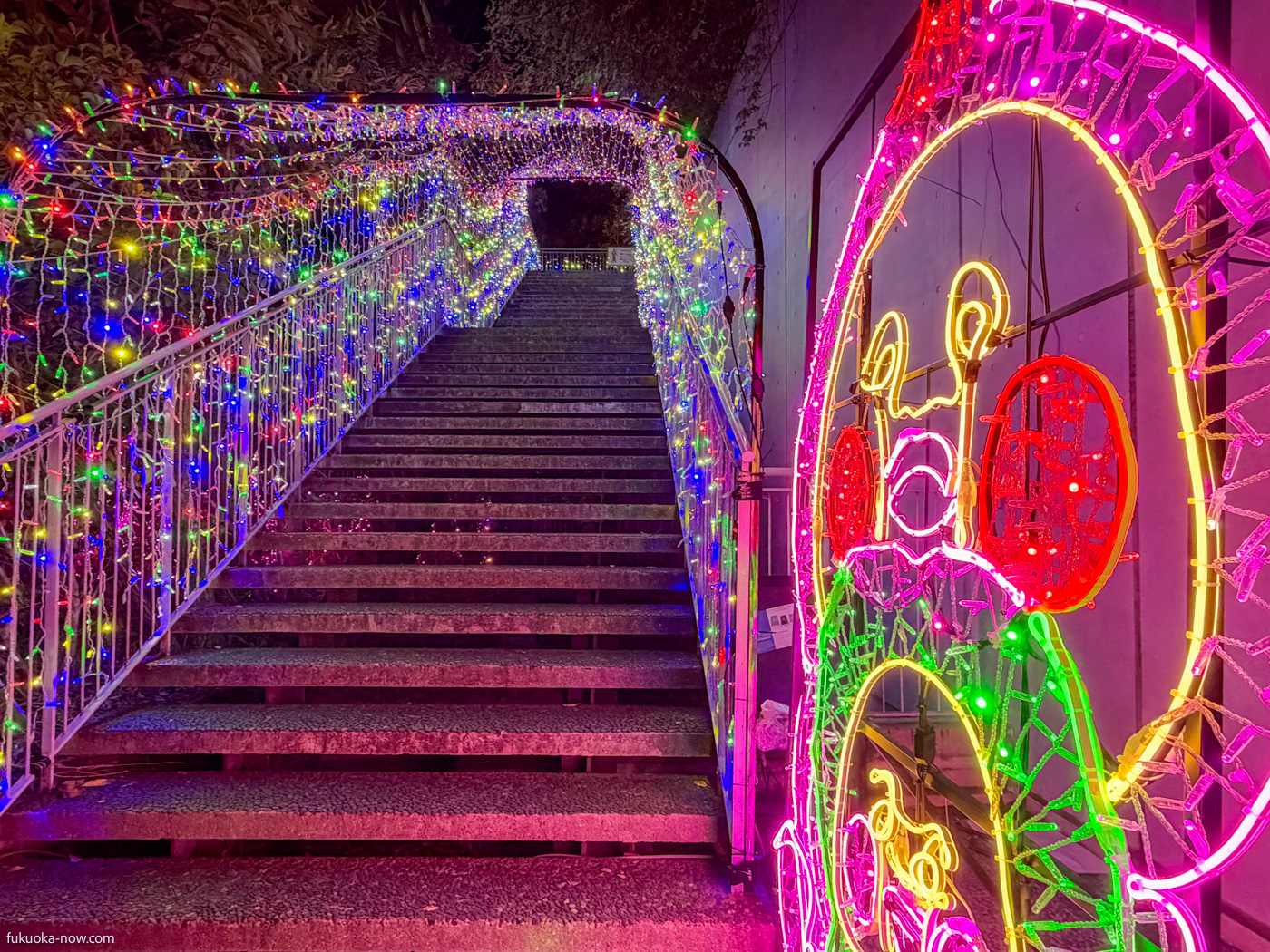
Yoyogi Forest of Lights isn’t a scattered display. It follows a 1.8-km trail in Yoyogi Park, according to the event materials and coverage by Japan Travel and the official press release. The route opened on November 13, 2026, and it’s scheduled to run through January 11, 2027.
That fixed distance gives the event a clear shape. You’re not just looking at lights from one spot, you’re moving through them. And that changes how the whole experience feels.
For Japan fans, this is a useful distinction. The word illumination in Japan often refers to winter light displays, but here the emphasis is on a trail. In Japanese, you might describe it as a 体験型 (taiken-gata, experience-based) event, meaning an experience-based attraction. The idea is simple, and very current.
Light, music, and interactive effects
The strongest point here is the mix of media. The trail combines lighting installations with music and interactive effects, so the park is meant to respond as you move through it. That’s more ambitious than a static photo spot. It asks for attention.

One report highlighted zones with dramatic effects, including a large tree illuminated in a light show and an area where soap bubbles fall into the scene. Those details matter because they show the event is trying to build atmosphere in layers, not just brightness.
I especially like that approach. It gives the walk a sense of pace, and it keeps the experience from flattening into the same glow from start to finish. If you’ve seen enough winter lights in Japan, you know how easily that can happen.
What the name tells you
There’s also something pleasant about the name itself. Forest, lights, and trail are all doing real work here. In Japanese, names like this often lean practical before they lean poetic, and that mix is part of the appeal. You get the image first, then the promise of an experience.

Booking is being promoted online and on site
The organisers are promoting booking both online and on site. That’s worth noting if you’re planning a winter evening in Tokyo, because popular illumination events can become crowded quickly, especially on weekends and near the holiday period.
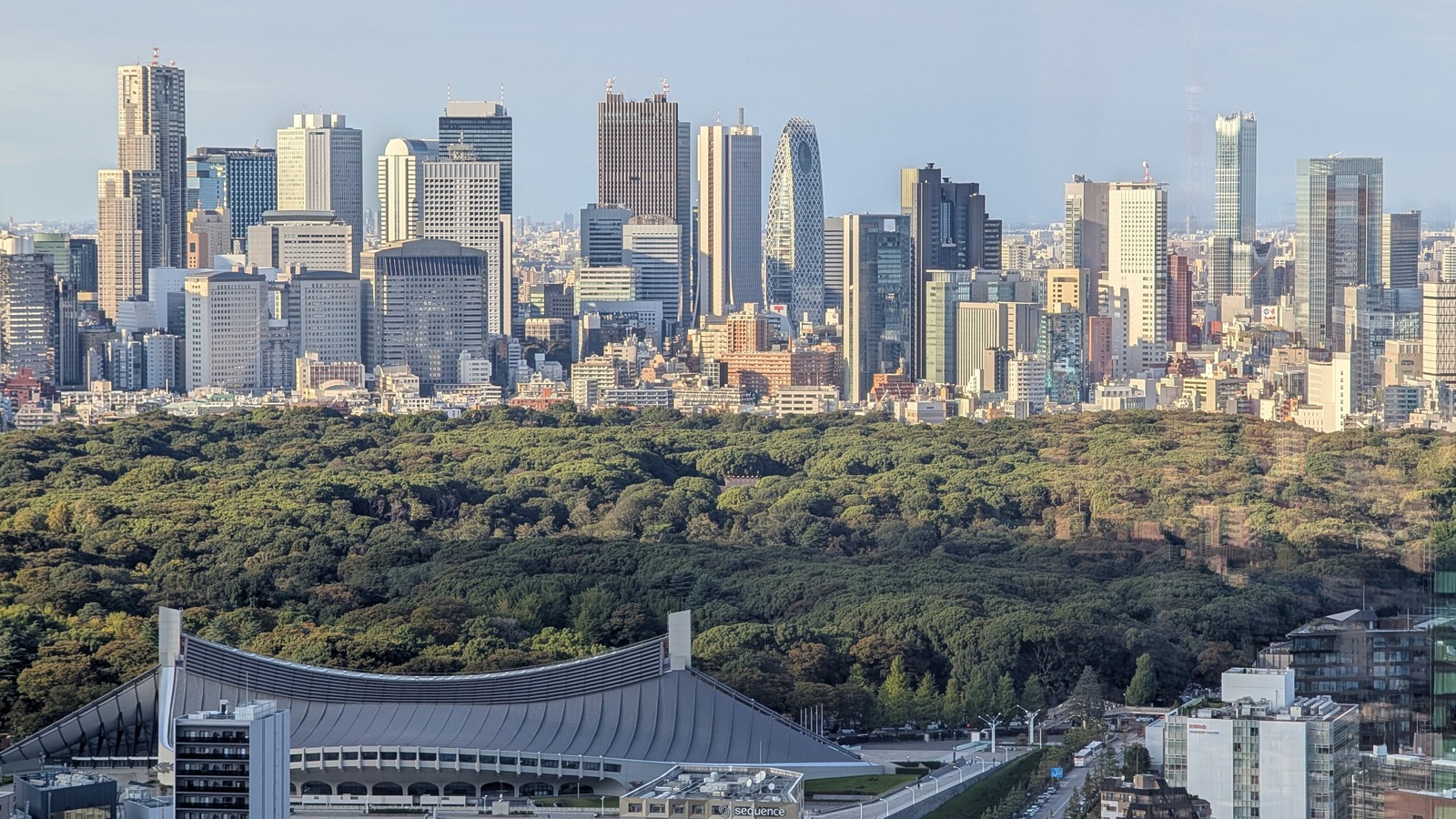
If you’re arranging your schedule around Tokyo sightseeing, this is the kind of event that works well as an evening slot after dinner or a day in Shibuya. Yoyogi Park sits close to one of the city’s busiest urban areas, so the contrast between traffic, parks, and lighted paths should be part of the appeal.
My tip: if you’re visiting during the colder months, keep an eye on opening days and closing dates rather than assuming a light-up runs all winter. In Japan, seasonal events can be sharply timed, and missing the window is easier than you might think.

Why this matters for Japan learners
Events like this are a nice way to pick up practical Japanese vocabulary. Hikari means light, mori means forest, and 体験 (taiken, experience) means experience. Put them together, and you get a pretty good sense of how Japanese event branding often works: short, visual, and easy to remember.
There’s also a broader cultural point. Tokyo does winter spectacle very well, but it often does it with discipline. A route, a schedule, a theme, a clear visitor flow. That structure is part of the experience, and it’s one reason these events feel so polished.
If you’ve been looking for a new illumination to explore in Tokyo, this one is very much worth a closer look. It’s 1.8 km of light, sound, and movement, and that combination gives it more depth than a simple seasonal display. There’s always something more to uncover.
In pictures


Frequently Asked Questions
When did Yoyogi Forest of Lights open?
It opened on November 13, 2026, according to the event announcement.
How long is the trail?
The illuminated course runs for 1.8 km through Yoyogi Park.
Can visitors book in advance?
Yes. The organisers are promoting both online and on-site booking.