What’s interesting for Japanese learners is the way the project mixes a train journey, character audio, and collectible goods, all tied to a very familiar route between Tokyo, Nagoya, and Osaka. That gives you a neat window into how Japan turns even a 新幹線 (Shinkansen, bullet train) ride into a themed media event.
What the collaboration actually includes
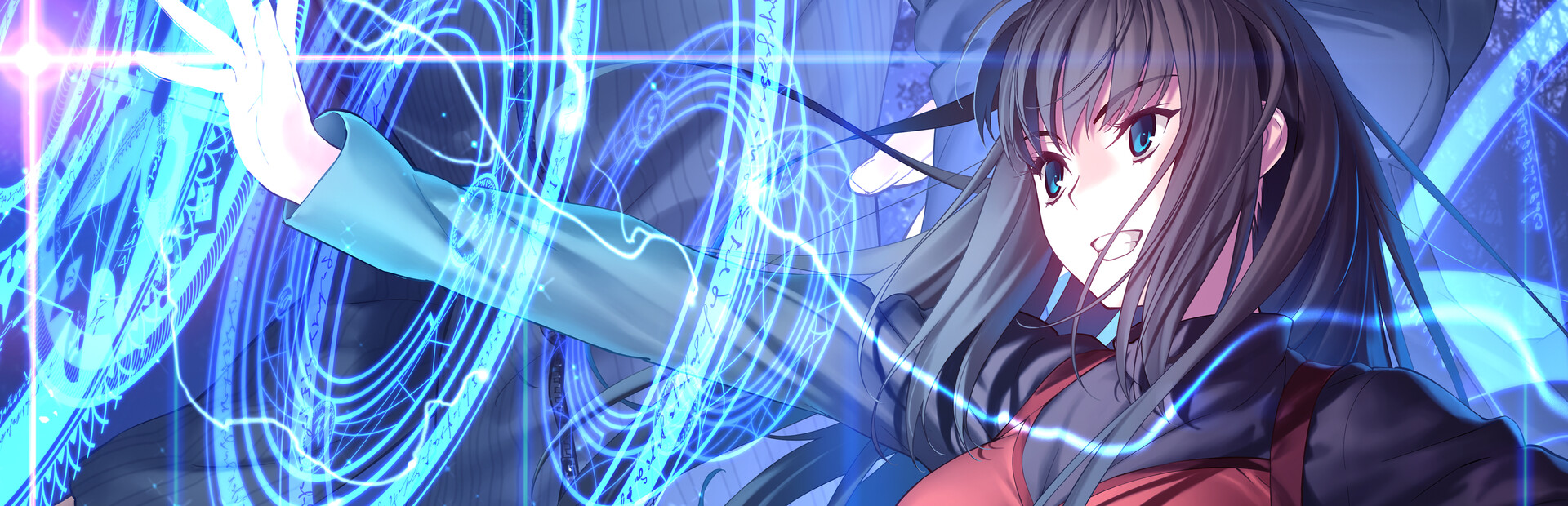
The core of this campaign is simple, but well targeted. Witch on the Holy Night is pairing up with Oshi-tabi for a Tokaido Shinkansen promotion that goes beyond a poster or a single store display. According to Noisy Pixel, the package includes voice drama content, new Aoko and Alice artwork, exclusive merchandise, wallpapers, and Animate bonuses.
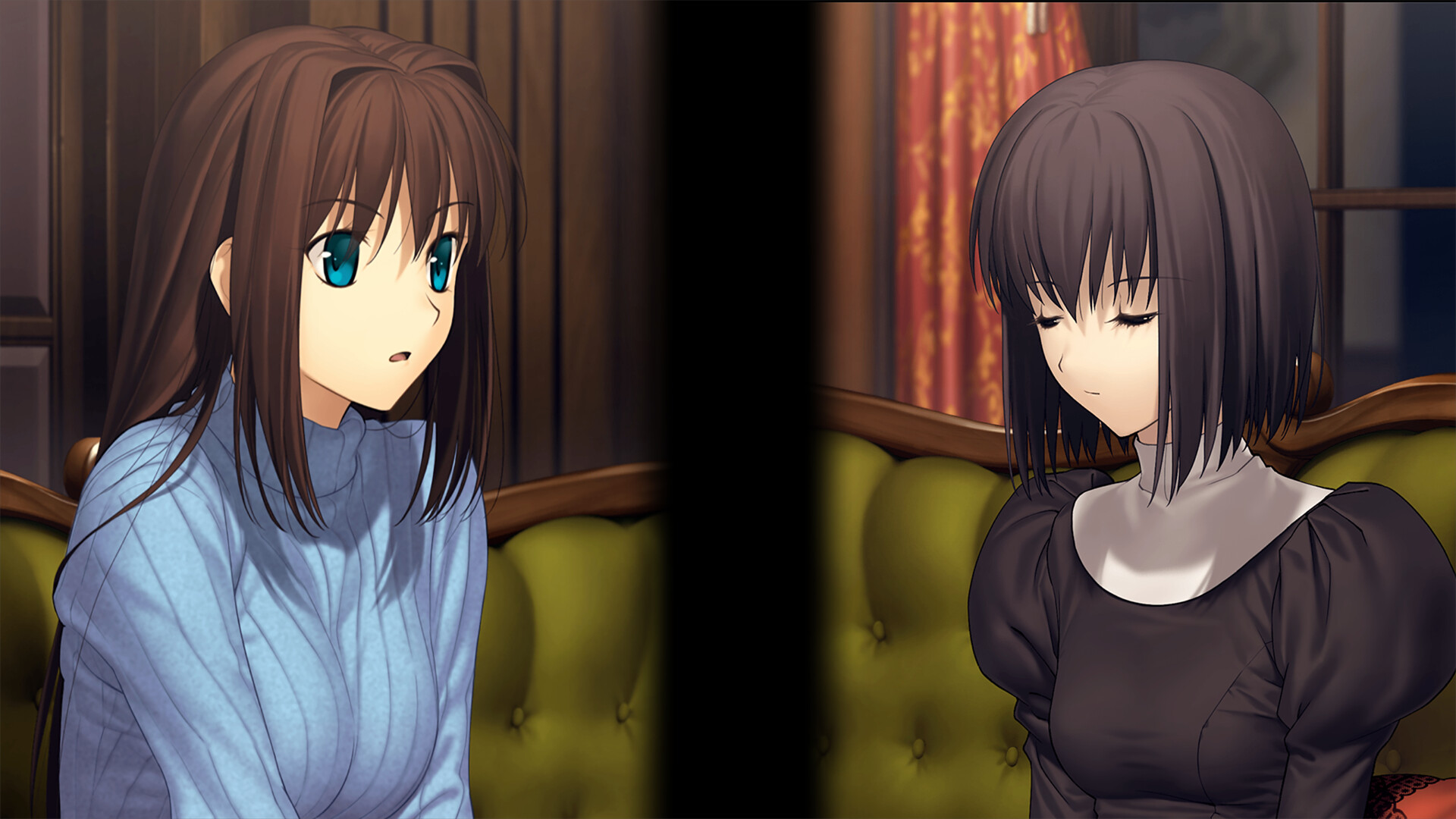
That mix matters because Oshi-tabi is built around character-driven travel campaigns, so the train itself becomes part of the experience. For fans, the appeal isn’t just the goods, it’s the feeling that the journey, the audio, and the art all belong to one short story.
The most concrete news item is the voice drama element, which gives this collaboration a stronger narrative hook than a standard merch tie-in. If you follow Japanese pop culture promotions, you know that audio content often does more work than a static visual, because it lets a character feel present during the trip.
Why Tokaido Shinkansen is the right fit
Tokaido Shinkansen is one of Japan’s most recognisable rail corridors, linking the business and leisure flow between major cities. That makes it a natural stage for a campaign like this, because the route already carries tourists, commuters, and fans who are used to seeing limited-time tie-ins in stations and onboard spaces.
For Japan fans, this also fits a wider pattern: train travel isn’t only transport, it’s media space. A campaign tied to a Shinkansen line can spread through stations, train ads, app-based content, and souvenir items, which is exactly the kind of layered promotion that Japanese brands like to build.
My tip: if you’re studying Japanese, pay attention to travel vocabulary in campaigns like this, because words connected to 列車 (ressya, train), 切符 (kippu, ticket), 特急 (tokyu, limited express train), and 関係 (kankei, connection; relationship) often appear in short promotional copy. These campaigns are a practical way to see how Japanese packaging and rail marketing use concise language to set a mood fast.

Aoko, Alice, and the value of new artwork
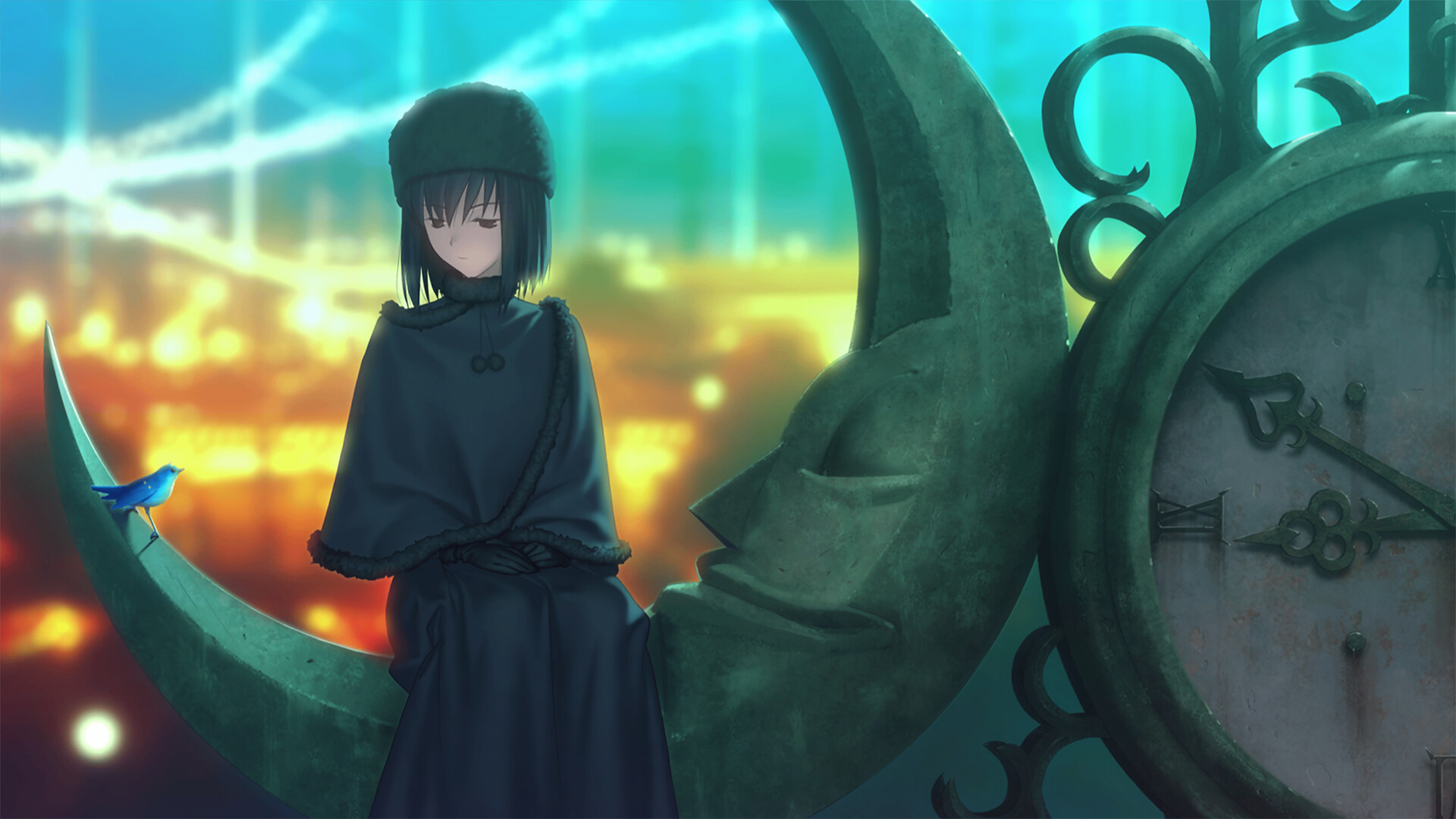
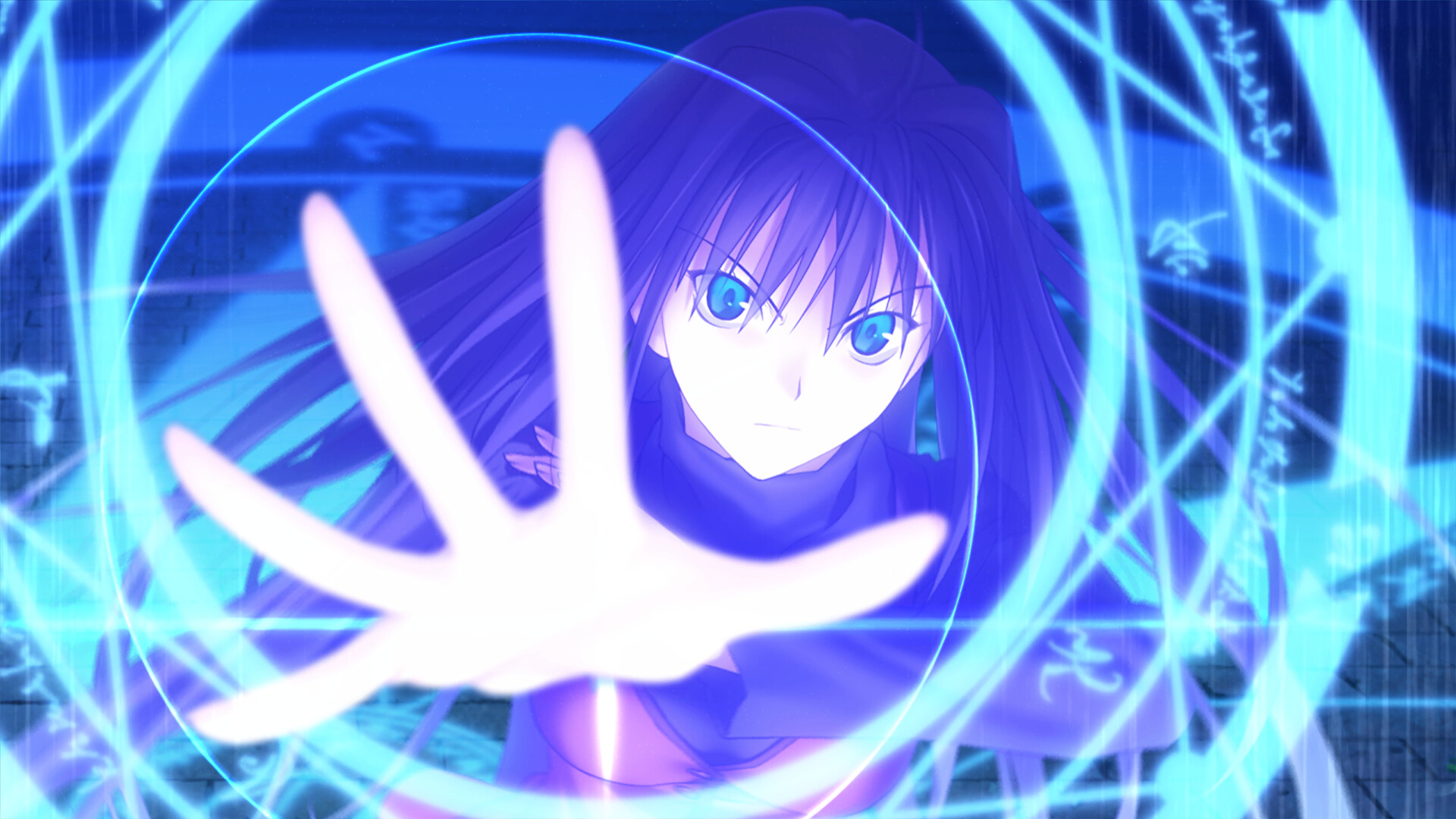
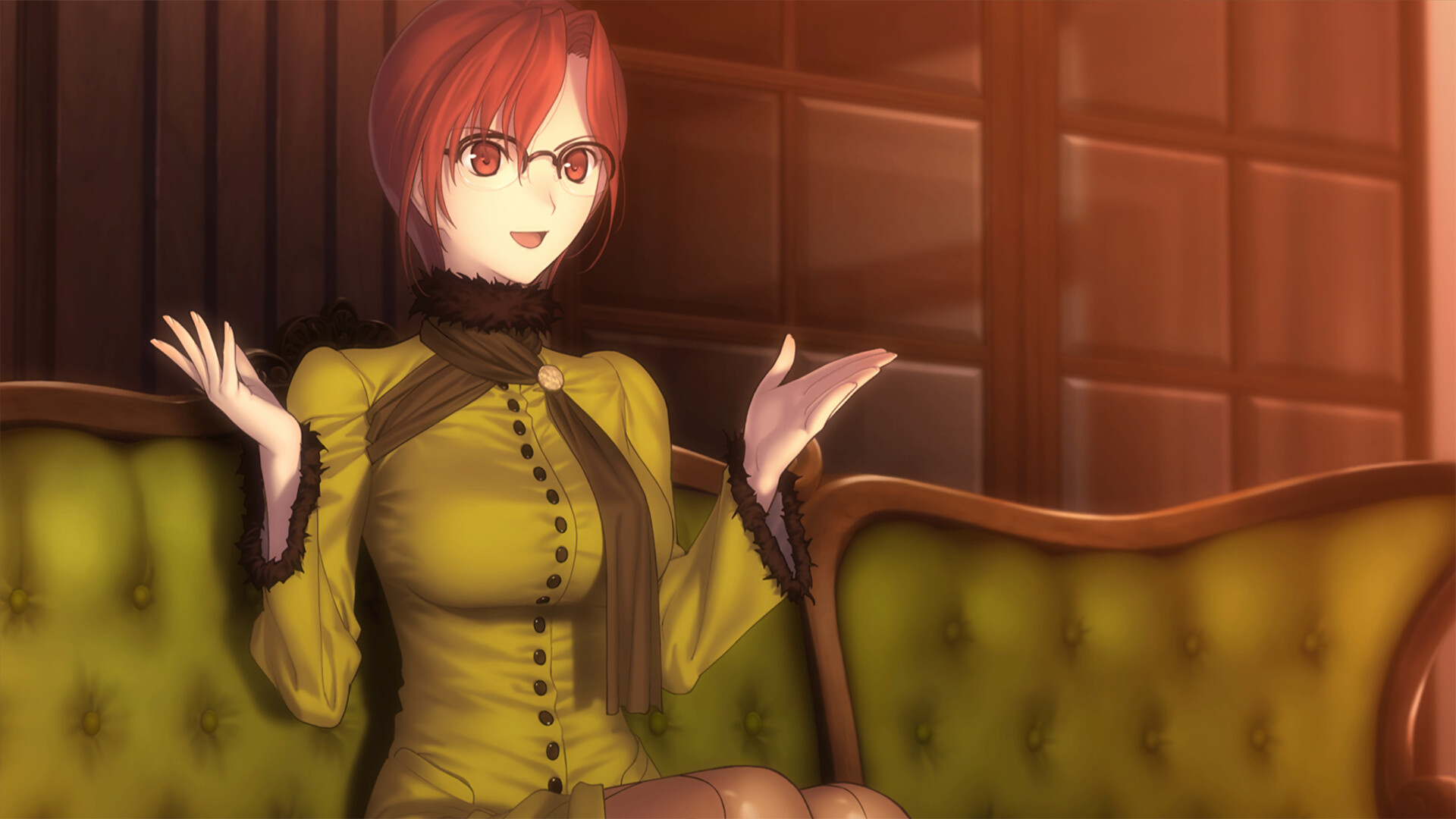
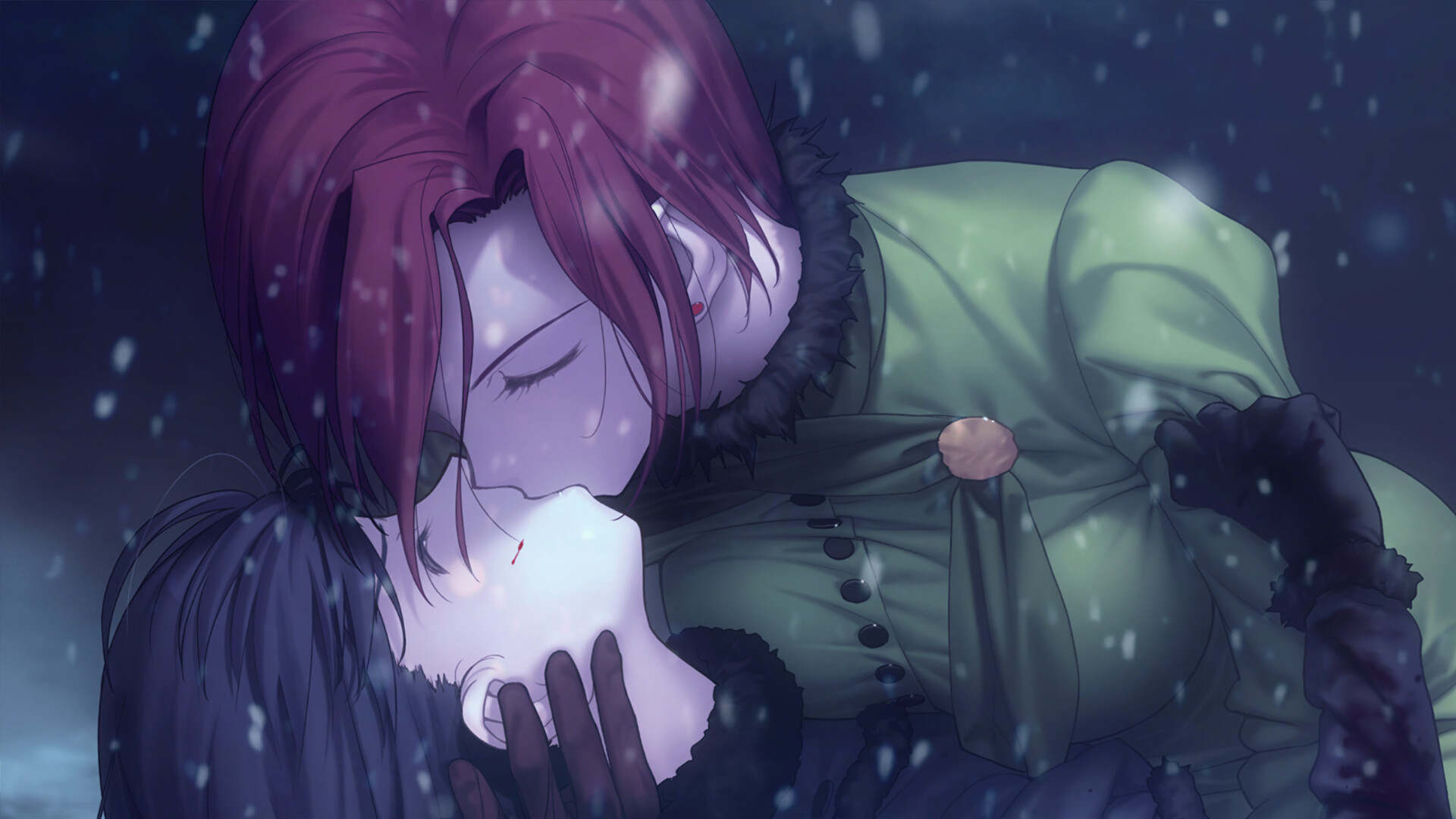
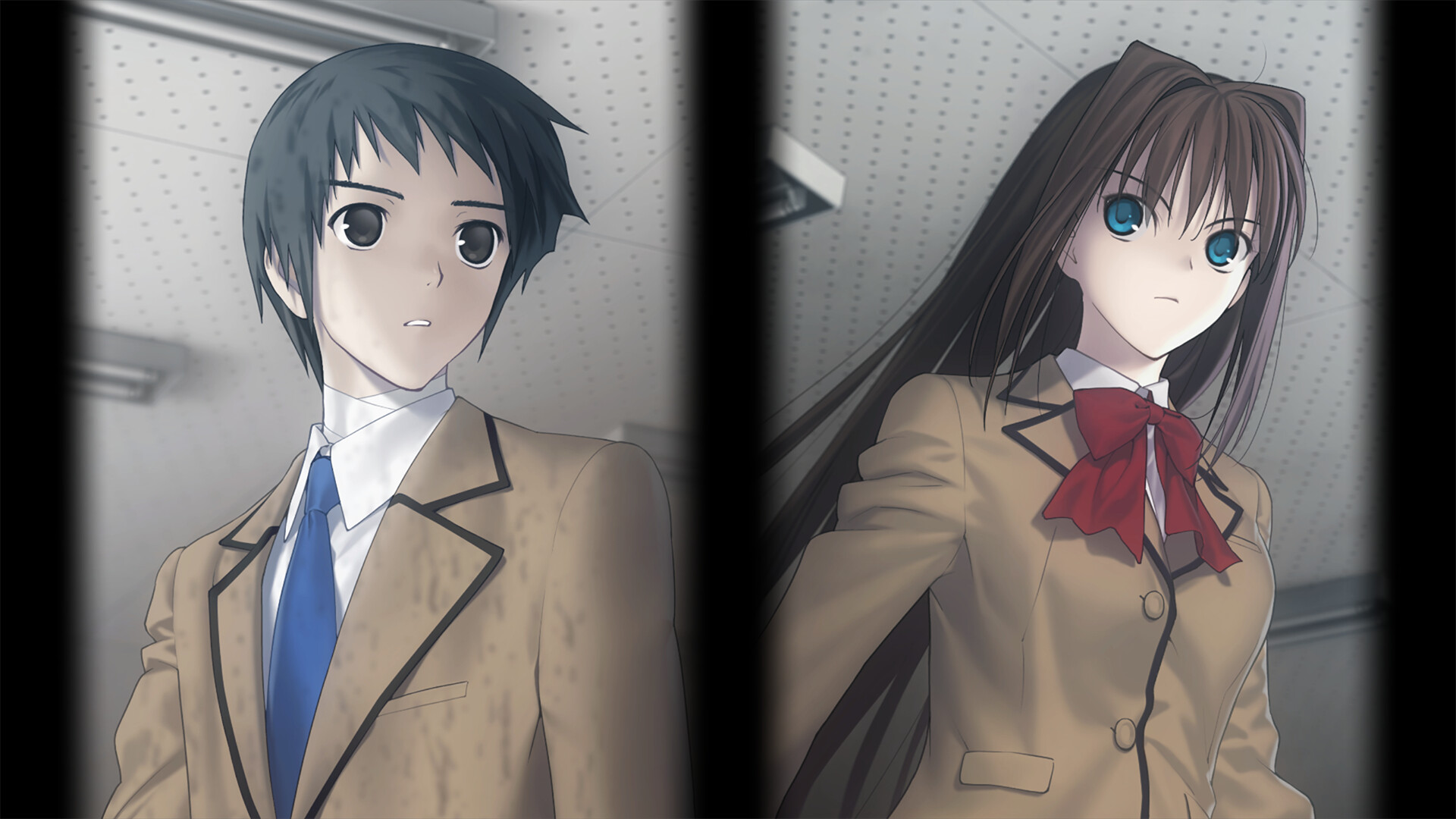
New character art is a big part of the draw here, especially for Aoko and Alice. Witch on the Holy Night already has a strong visual identity from Type-Moon, so fresh illustrations can feel like a proper event rather than a recycled image drop.
What many overlook is that merchandise campaigns depend on art style as much as on character popularity. If the new Aoko and Alice visuals land well, they can carry the whole collaboration across acrylic goods, posters, and digital wallpaper use, which is why the artwork reveal matters as much as the item list.
The campaign also reflects how Japan often builds a merchandise ladder, from free downloadable content to paid collectables. That structure gives different kinds of fans a way in, whether they want a wallpaper, a limited item, or a bonus through Animate.
What this means for fans and learners
For Type-Moon followers, this is another sign that Witch on the Holy Night still has strong cross-promotional value well after its original release. The visual novel first launched in 2012, and its long afterlife keeps producing new ways to package Aoko and Alice for modern audiences.
For Japanese learners, the campaign is a useful reminder that entertainment vocabulary often crosses into travel and retail language. Terms such as 時間限定 (jikan gentei, time-limited), 期間限定 (kikan gentei, limited-time; for a limited period), and keitai are common in this kind of announcement, and they appear alongside station, train, and character names in a very compact style.
Before I forget: campaigns like this are also a good example of how Japanese fan culture treats limited-time events as part of the content itself. The goods matter, but so does the timing, the route, and the sense that you need to catch the collab while it’s active.
In pictures
Frequently Asked Questions
What is the main focus of this collaboration?
It combines Witch on the Holy Night with Oshi-tabi for a Tokaido Shinkansen promotion built around voice drama, artwork, and merchandise.
Why is the Shinkansen important here?
The Tokaido Shinkansen gives the campaign a real travel setting, which makes the audio and character content feel tied to the journey.
What should fans watch for?
The key items are the new Aoko and Alice artwork, the voice drama content, and the limited goods and bonuses mentioned in the campaign details.