For Japan fans and Japanese learners, this is a neat example of how everyday words like 抹茶 (matcha, powdered green tea) can travel into global business ideas. It also shows how student-led startup contests are becoming part of the international pitch scene, not just a classroom exercise.
SchoolACE takes the Youth Pitch title
Startup World Cup 2026 had a clear headline in the Youth Pitch division: SchoolACE from the United States finished as world champion. The result was reported by Pegasus Tech Ventures Japan, which said the American team won the global student competition in San Francisco.
The strongest detail for readers is how international the podium became. According to the same report, PlaceFit.inc from Japan, representing Ichikawa Gakuen Ichikawa High School, finished second, while Fika Matcha from the United States, from Harker School, placed third. That gives the Youth Pitch final a very specific Japan connection, not just as host-style cultural interest, but as a real competitive presence.
The format matters here. Youth Pitch isn't a casual school fair, it's a startup competition built around short, high-pressure presentations. Teams have to make an idea feel real quickly, and that means clear problem-solving, numbers, and confidence matter as much as creativity.
Why Fika Matcha stood out with Uji matcha
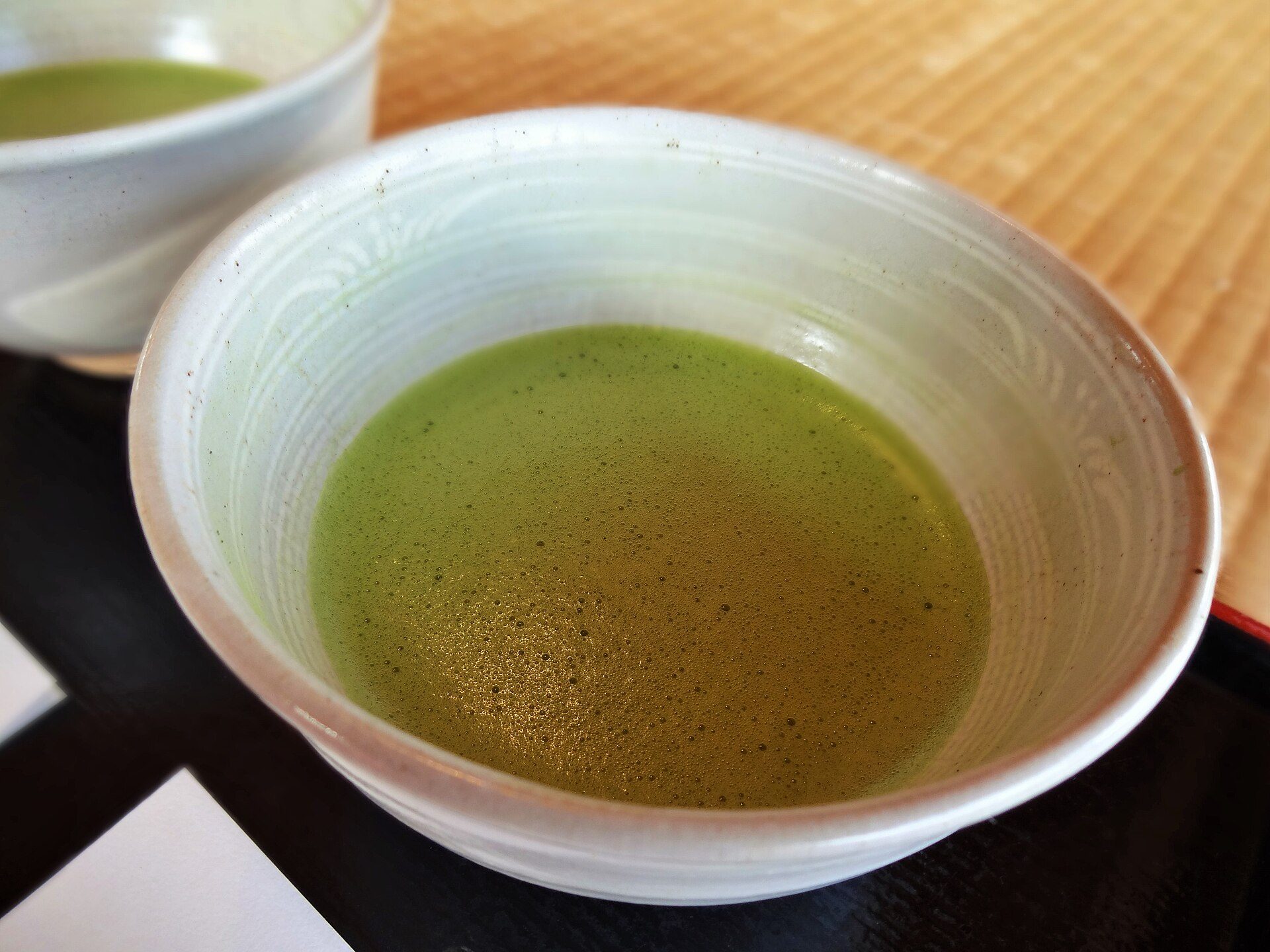
Fika Matcha is the name that will catch the eye of many Japan fans first. The startup reached third place with a concept centred on Uji matcha, one of the best-known matcha regions in Japan.
Uji, in Kyoto prefecture, has long been associated with high-quality green tea, and the word matcha itself is already familiar to many Japanese learners. If you know basic food vocabulary in romaji, this is an easy but useful example: お茶 (ocha) means tea, and matcha usually refers to finely ground green tea powder used in drinks, desserts, and modern café menus.
What I especially like about this result is that it shows how Japanese ingredients are no longer only framed as traditional exports. They can become the basis for a startup story, a branding angle, and a cross-border audience all at once. Fika Matcha is a good reminder that Japanese culture often travels best when it mixes tradition with a startup-style pitch.
A Japanese team on the podium adds more context
The second-place result for PlaceFit.inc gives the competition a strong Japan angle beyond the matcha story. The team came from Ichikawa Gakuen Ichikawa High School, which is a useful detail because it shows how Japanese school teams are participating in global startup formats at a serious level.
That matters for learners too. Japanese high school names often show up in news like this, and it helps to recognise the structure: the school name, the team name, and the event name are all part of the identity. In this case, PlaceFit.inc sounds like a startup, but it is also tied to a school setting, which is typical of youth entrepreneurship contests in Japan.
For Japan watchers, the presence of a Japanese runner-up is more than a footnote. It suggests that the local startup education scene isn't isolated, and it can compete directly with teams from the United States on an international stage.
Why this competition is worth watching
Startup World Cup is best known as a global startup competition, but the Youth Pitch version gives it a younger and more experimental layer. That makes it interesting from a Japan-news angle because it blends education, business, and cultural export in one event.
The San Francisco finale also matters. It places Japanese-related ideas like Uji matcha in the same arena as US-led school startups, which is exactly the kind of international comparison that makes these events newsworthy. The competition isn't just about winning money or a trophy, it's about how convincingly a team can present a problem, a market, and a future.
My tip: if you are learning Japanese, keep an eye on startup news like this one. Terms such as サポート (sapoto, support), ピッチ (pichi, pitch; short presentation), and startup itself appear often in Japanese business coverage, and food words like matcha, ocha, and Kyoto-linked place names are a very practical way to build vocabulary while following current events.
Frequently Asked Questions
Who won the Startup World Cup 2026 Youth Pitch?
SchoolACE from the United States won the Youth Pitch world title.
Which team represented Japan in the final?
PlaceFit.inc from Ichikawa Gakuen Ichikawa High School finished second.
What was the Japan-related third-place team?
Fika Matcha from the United States placed third with a concept based on Uji matcha.