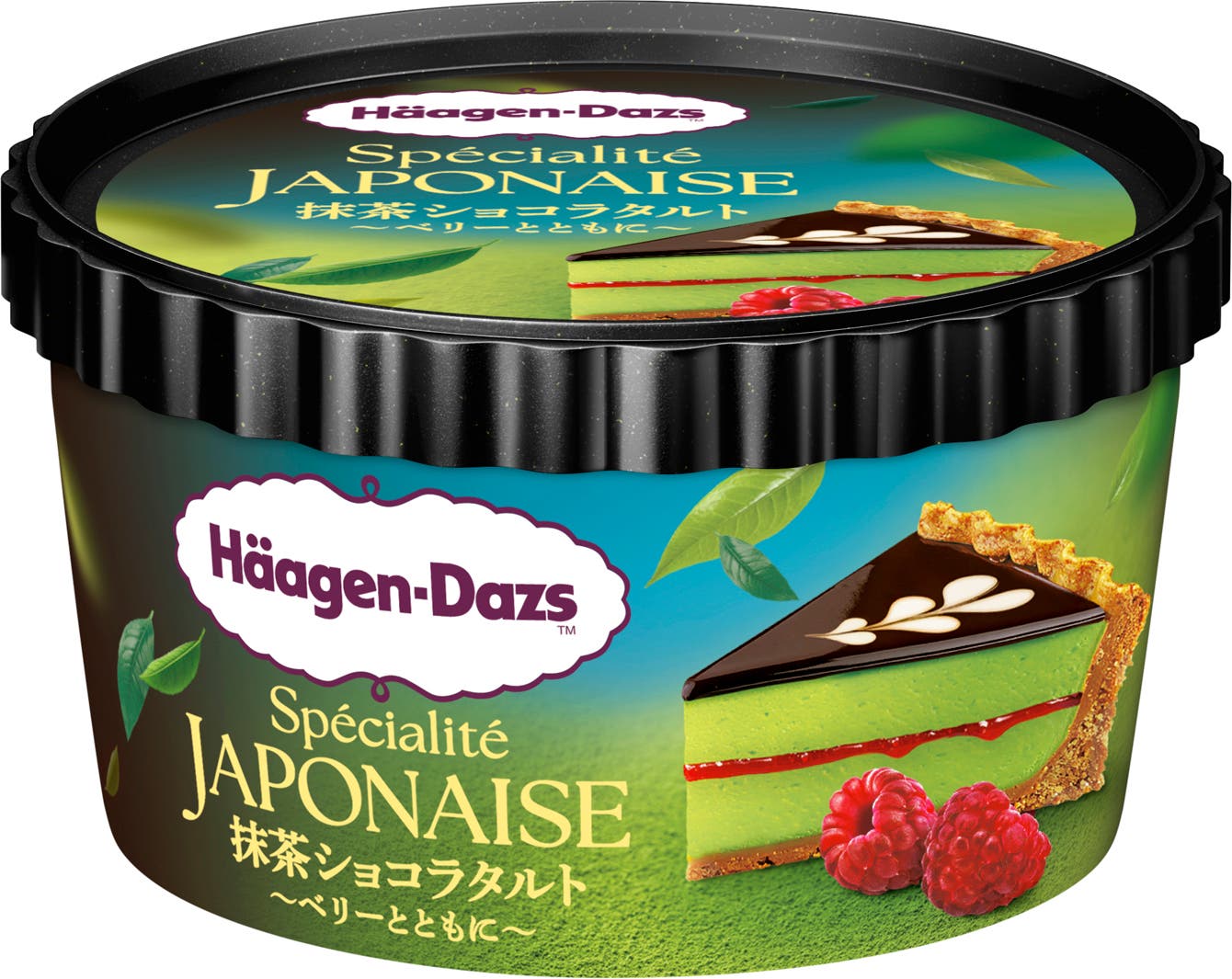
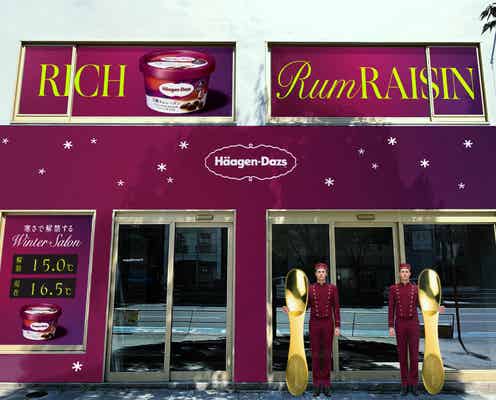
The product sits in Haagen-Dazs Japan's Specialite Japonais line, which usually means a more layered cup or dessert with a Japanese flavour focus. Here, the key combination is bitter 抹茶 (matcha, green tea powder), chocolate, and berry, so it’s worth reading the name carefully if you’re following Japanese convenience store releases or learning food vocabulary in romaji.
What Seven-Eleven Japan is releasing on November 24
Seven-Eleven Japan will start selling Haagen-Dazs Specialite Japonais Matcha Chocolat Tart, called matcha choco ratto タルト (taruto, tart) in Japanese release materials, on November 24. The product is a limited item, and Haagen-Dazs Japan says it will be sold at Seven-Eleven stores nationwide, except for some locations. That makes it a classic winter convenience store launch: specific, seasonal, and easy to miss if you don’t check the shelf dates carefully.
The release is small in scope, but the concept is clear. You get matcha, chocolate, and tart-style layering in one dessert cup. For Japanese learners, this is also a useful example of how product names are built in Japanese retail. Ingredient words are often stacked together, then finished with a format word such as tart, parfait, or sand. If you read labels often, this kind of name becomes much easier to parse.
My tip: when you see a long Japanese dessert name, split it into parts first. In this case, matcha, ショコラート (chokorato, chocolate), taruto, and the berry note all tell you something concrete about the flavour profile.
How the dessert is built
Haagen-Dazs Japan places this release in its Specialite Japonais series, which is used for richer, more layered desserts sold through Japanese retail channels. The new Matcha Chocolat Tart uses matcha as the main flavour and adds chocolate for depth. The berry element is there for balance, not as the lead note, so the overall profile should lean more bitter and creamy than sweet.
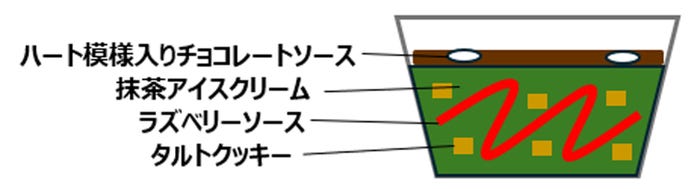
The most useful detail is the structure implied by the name. A tart-style ice cream dessert usually aims for contrast, not just one flat flavour. You can expect a combination of matcha cream, chocolate layers or sauce, and a tart-like base or accent that gives the dessert a more finished feel than a plain cup. That matters if you’re comparing convenience store desserts in Japan, because limited items often compete on layering rather than size.
There’s also a seasonal reason this launch makes sense. Matcha desserts aren’t only for spring. In Japan, matcha is used year-round, but winter releases often pair it with chocolate because the flavour feels fuller and more grounded. The berry note cuts through that richness and keeps the dessert from becoming too heavy. That’s a practical design choice, not just a decorative one.
Why the product name matters for Japanese learners
Japanese convenience store products are a good place to build vocabulary, because the naming is functional. Matcha is green tea powder, chocolate becomes chokorato, and tart becomes taruto. The phrase berry to 共に (tomo ni, together with) means that the berry component is included alongside the main flavours. If you know these words, you can understand the product before you even open the lid.
That’s especially useful with seasonal sweets. Japanese packaging often uses compact wording, and the English or romanised terms are there for a reason. They help define texture and flavour in one line. For learners, this is a simple reading exercise with immediate payoff, because the words are tied to something you can actually buy and compare in store.
There’s another practical point here. Limited convenience store desserts often disappear quickly, and the exact store availability can vary. If you want to see this one in person, check your local Seven-Eleven soon after the release date. Once a seasonal item is gone, it may not return in the same form.
What to look for when you spot it in store
Start with the release date on the shelf card or freezer door signage. November 24 is the key date here, and that’s the day the product is scheduled to go on sale. If your local store receives stock later in the day, or if your branch is one of the excluded stores, you may not find it immediately.
Then read the name. If it says Matcha Chocolat Tart, you know the flavour direction before you buy it. The matcha should provide bitterness, the chocolate should deepen the sweetness, and the berry note should keep the finish from feeling too dense. That’s the kind of information you can use quickly at the convenience store freezer, where you don’t always have time to compare every label in detail.
For fans of Japanese food culture, this is a neat example of how convenience store products can still feel carefully composed. The price wasn’t stated in the materials I reviewed, so the main facts to keep in mind are the brand, the store, the date, and the limited release. Those four points are enough to track the product without guessing.
In pictures
Frequently Asked Questions
When does the dessert go on sale?
It goes on sale on November 24.
Where will it be available?
It will be sold at Seven-Eleven stores nationwide in Japan, but some stores are excluded.
What flavours are in it?
The main flavours are matcha, chocolate, and berry.