For Japan fans and Japanese learners, this kind of performance is especially useful because it puts words, rhythm, and visual storytelling side by side. You don’t need advanced Japanese to follow it, but you’ll notice how much of the meaning comes through sound, posture, and stage timing.

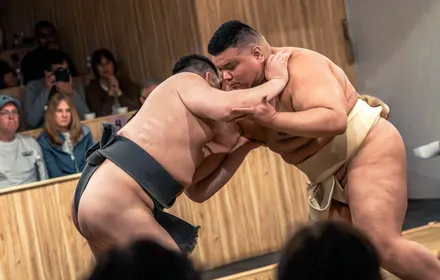
What Drum Tao is bringing to Kyoto
Drum Tao is best known for high-energy 太鼓 (taiko) performance, but the Kyoto version is built as a full theatrical experience rather than a simple drum concert. According to Japan Guide and Klook, the show runs for about 50 minutes and doesn’t rely on spoken dialogue, which makes it easy to follow for international visitors.
That non-verbal format matters. In Japan, stage storytelling often leaves room for movement, pauses, and atmosphere, and taiko fits that style well because rhythm can carry emotion on its own. What many overlook is that even without language, the performance still feels very Japanese in its structure, from group discipline to costume design.
The production combines taiko, Japanese instruments, body expression, costumes, lighting, and video. My tip: if you’re a Japanese learner, listen for the contrast between loud, sharp beats and the quieter visual moments, because that rhythm-language balance is a useful cultural clue in itself.
Why Kyoto is a strong setting for this show
Kyoto and traditional performance make an easy pairing, but this one is aimed at the evening crowd. The planned Drum Tao Theater Kyoto, described in recent coverage from Sankei News and Niigata Nippo, is set right in front of Kyoto Station's Hachijo Exit and is expected to open in April 2026.
That location changes the experience. Instead of travelling out to a remote venue, visitors can step off the train and head straight to a dedicated theatre space, which is very practical for dinner-and-show plans. For travellers with limited time, that kind of location can be the difference between skipping a performance and actually booking it.
To be fair, Kyoto already has a strong evening identity through 懐石 (kaiseki, kaiseki cuisine; formal Japanese meal) dining, temple illuminations, and riverside walks, so a taiko show adds another option to the city’s night circuit. It also gives Japan visitors a cultural activity that feels more immediate than a museum visit, because the sound and movement are right in front of you.


How language learners can get more out of the performance
Even though the show is non-verbal, it still offers useful Japanese-learning context. Words such as 和太鼓 (wadaiko, Japanese drum), 芸能 (geinou, performing arts; entertainment), and 演奏 (ensou, musical performance; playing music) often appear when people talk about Japanese performance culture, and Drum Tao sits right in that world. If you’re learning Japanese, noticing these terms in travel articles or ticket descriptions can help you build a stronger cultural vocabulary.
There’s also a nice lesson in formality and presentation. Japanese stage arts often value precision, group harmony, and clear visual cues, and those same ideas show up across festivals, shrine processions, and many live performances. That makes Drum Tao a good reference point if you want to connect language study with real-world culture, not just textbook phrases.
While we’re at it, the show format can help you train your ear for timing. Japanese public performances often use rhythm and silence very deliberately, and that’s easier to notice once you start paying attention to how the stage changes from one section to the next.
Who this Kyoto night experience suits best
Drum Tao in Kyoto will suit travellers who want an evening activity that feels polished, energetic, and culturally grounded. It’s also a smart choice for people who may not be comfortable navigating a fully Japanese-language event, since the performance is designed to be understood without speech.
Families, first-time visitors, and Japan enthusiasts who already enjoy taiko or festival culture will probably get the most out of it. If you prefer quiet historical sightseeing, this may feel louder and more theatrical than your usual Kyoto night plan, but that contrast is exactly why it stands out.
What I especially like is the way it bridges accessibility and atmosphere. You get a show that works for visitors from anywhere, yet still keeps strong links to Japanese stage tradition, and that isn’t easy to do well.
Frequently Asked Questions
How long is the Drum Tao show in Kyoto?
The performance is about 50 minutes long, according to Klook.
Do you need to understand Japanese to enjoy it?
No. It is a non-verbal show, so the story is carried by music, movement, costumes, and lighting.
Where is the Kyoto theatre planned?
Recent reports say Drum Tao Theater Kyoto will open in front of Kyoto Station's Hachijo Exit in April 2026.