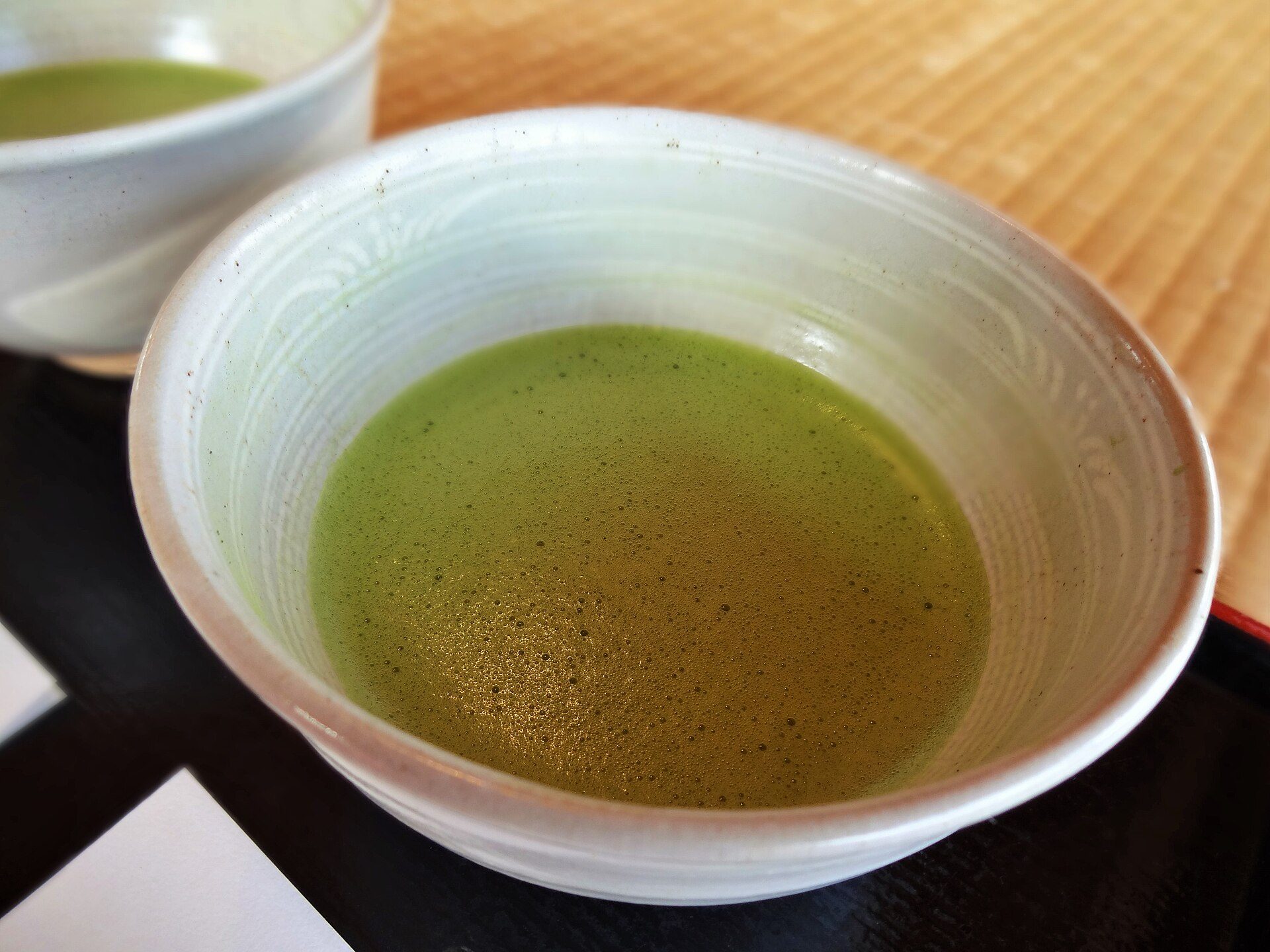
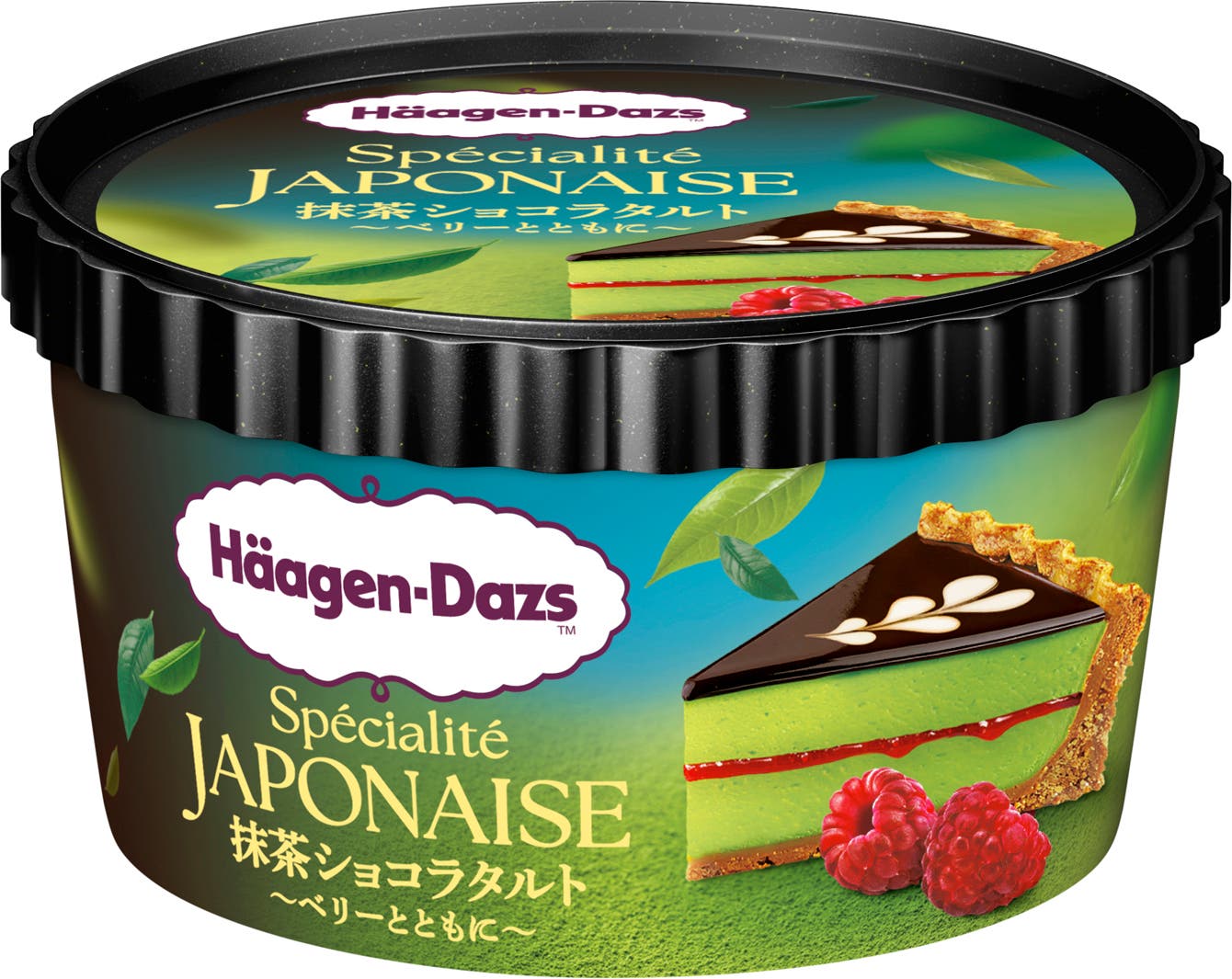
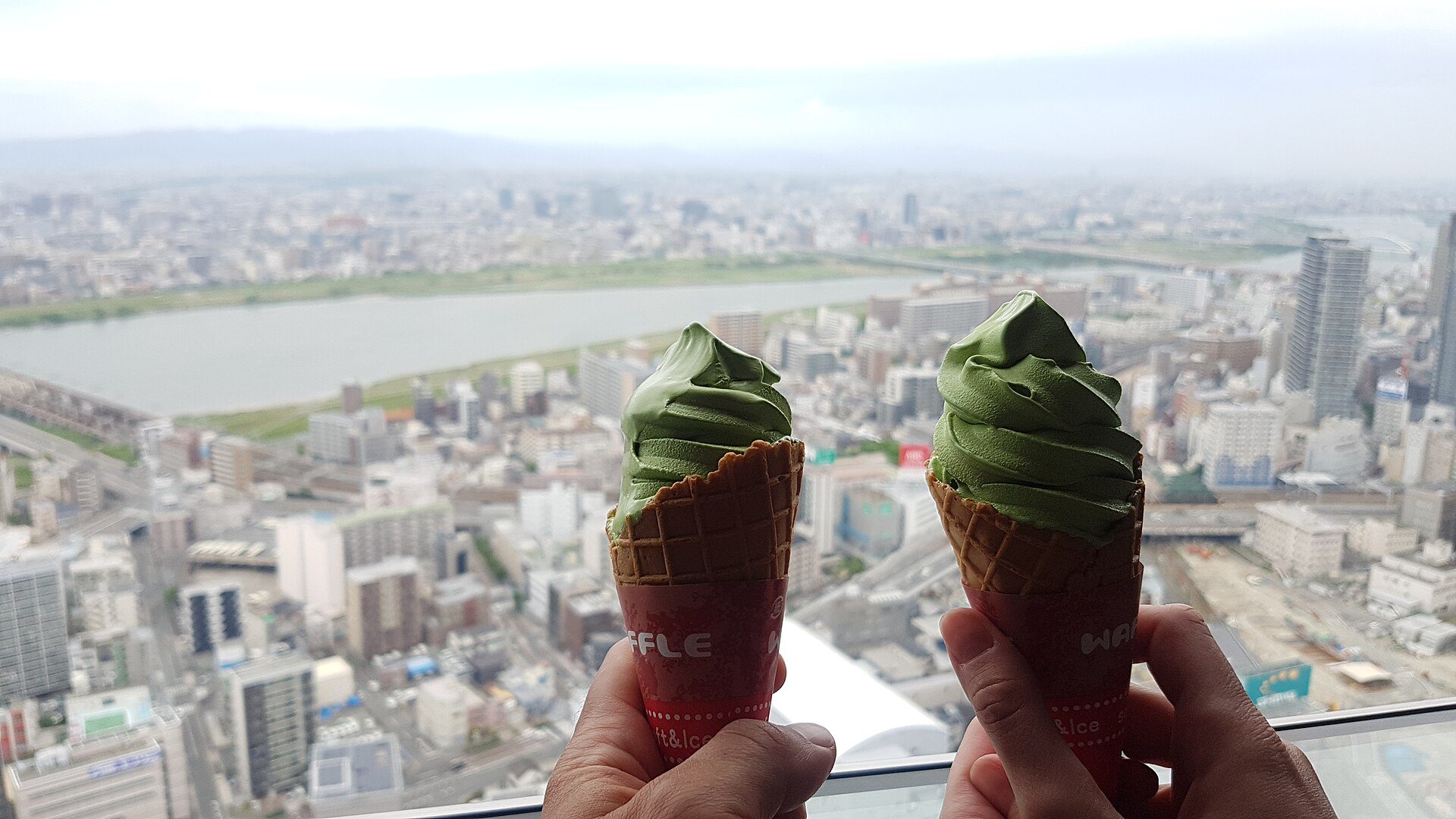
It’s a small hotel menu, but that’s exactly why it feels worth watching. These are limited items with a very specific Kyoto angle, the kind of seasonal release that rewards a bit of curiosity, especially if you’re learning Japanese and enjoy spotting food words like 抹茶 (matcha, powdered green tea), 栗 (kuri, chestnut), and クリスタル (kurisutaru, crystal) in real life.
Fauchon Hotel Kyoto puts Kyoto flavours into Christmas sweets
Fauchon Hotel Kyoto is rolling out a winter sweets lineup built around Christmas, and the most attention-grabbing item is a premium stollen that folds in matcha and Uji chestnuts. According to the hotel news report, the sweets are being offered as limited seasonal items, with mail-order options also available for some products.

That Kyoto connection matters here. This isn’t just a generic holiday dessert set with a local label attached at the end. The hotel is leaning into ingredients with a clear regional story, especially Uji, one of Kyoto’s best-known tea areas, and that gives the whole lineup a more grounded, place-specific feel.
For Japan fans, this is also the sort of release that makes seasonal vocabulary easier to remember. Matcha is the obvious one, but Uji chestnuts point you towards kuri, and stollen itself is often written in katakana as sutoren. Little food words like these show up everywhere once you start paying attention, and hotel menus are a very friendly place to notice them.
What makes the premium stollen stand out
The premium stollen is the headline item, and it sounds like the most distinctly Kyoto-flavoured piece of the collection. Stollen is a classic Christmas bread-cake from Europe, but Japanese hotels often treat it as a seasonal luxury item, shaping it with local ingredients and a careful finish that makes it feel a bit more special than an everyday bakery loaf.
Here, the matcha and Uji chestnut pairing does the heavy lifting. Matcha brings that deep, slightly bitter tea note Kyoto is famous for, while chestnuts add a softer winter sweetness that feels very fitting for the season. It’s a combination that makes sense on paper, and that’s often where the best Japan food ideas begin, honestly.
What I especially like is the balance of imported holiday tradition and local identity. Japan does this so well, taking a format people already know and then giving it a clear regional spin, whether it’s using local fruit, tea, or chestnuts from a specific area. It keeps the item familiar, but not bland.
Tsujirihei Main Store in Uji gives the menu its tea-world anchor
The Uji angle becomes even more interesting because the sweets are linked with Tsujirihei Main Store in Uji, Kyoto. That name alone tells you a lot about where the flavour direction is coming from, since Uji is one of the most important tea towns in Japan and has long been tied to high-quality green tea culture.

For learners of Japanese, Uji is a nice place to remember for more than one reason. It appears in travel writing, tea packaging, dessert menus, and temple guides, so the word sticks through repetition. And once you know it, you start seeing how often Kyoto food stories quietly depend on tea culture, not just sightseeing landmarks.
There’s also a practical travel angle here. If you’re planning a Kyoto trip around winter, a hotel like this gives you a reason to look beyond the usual sightseeing loop and pay attention to limited sweets, gift items, and regional collaborations. Those are often the smaller discoveries that make a trip feel a bit more personal, a bit more off the beaten path.
Why these limited sweets fit Kyoto so well
Kyoto has a long habit of turning seasonal ingredients into polished gifts and desserts, and this release sits neatly inside that tradition. A winter hotel sweet made with matcha and Uji chestnuts feels local without being heavy-handed, and that restraint is part of the appeal.
It also helps that the item is limited. Seasonal releases in Japan have a way of making people pay attention right away, because they won’t stay on the menu forever. That sense of timing adds a little tension, but in a good way, the kind that says you should appreciate what’s there now rather than assume it will still be around next month.
If you’re building your Japanese food vocabulary, this is a nice example of how product names carry information. Matcha tells you the flavour family, Uji tells you the source region, and stollen signals the seasonal style. Put together, it’s a compact lesson in how Japan names and frames food.
So yes, it’s a hotel sweet release, but it’s also a small Kyoto story. And those are often the best ones to keep an eye on.
In pictures

Frequently Asked Questions
What is the main seasonal item at Fauchon Hotel Kyoto?
The standout item is a premium stollen made with matcha and Uji chestnuts.
Why is Tsujirihei Main Store in Uji important here?
It anchors the sweets in Kyoto’s tea culture and gives the menu a specific Uji connection.
Is this only for hotel guests?
No, the report says some items also have mail-order options available.