Why visit Fuji-Hakone-Izu National Park?
Question: Want a single destination that packs a world of Japan into a few days? The park was designated in 1936 and covers parts of Shizuoka and Yamanashi prefectures, the Hakone area in Kanagawa, plus the Izu Peninsula and Izu Islands, all within reach of Tokyo.



Guess what? You can stand at a viewpoint and see a snowcapped Mount Fuji at 3,776.24 metres, a volcanic fumarole field, pine-fringed lakes and sandy coasts, all without flying across the country. No wonder this variety is exactly why local artists and poets have celebrated the area for centuries.
My tip: Start with one base, like Lake Kawaguchiko, and choose day trips from there. But that's not all.
Mount Fuji, lakes and the volcanic landscape
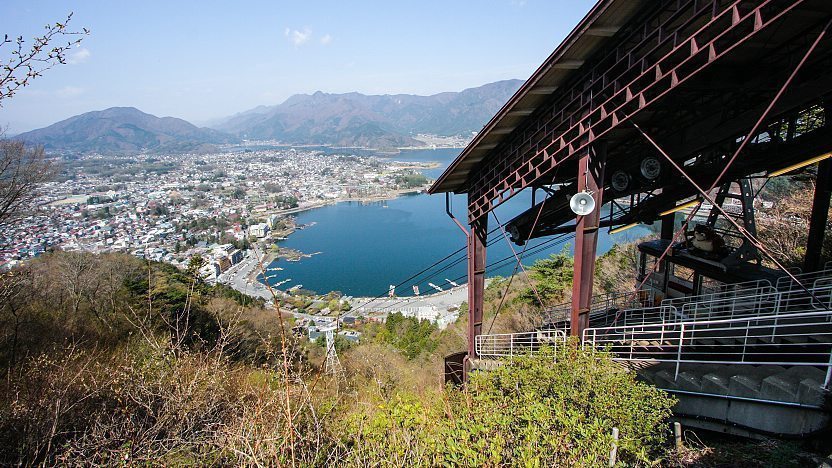
Fact: The Fuji Five Lakes area includes Lake Kawaguchiko, Saiko, Yamanakako, Shojiko and Motosuko, and they offer different views, sizes and activities. For example, Kawaguchiko has the best tourist infrastructure, while Motosuko is quieter and shows Fuji reflected on calmer days.
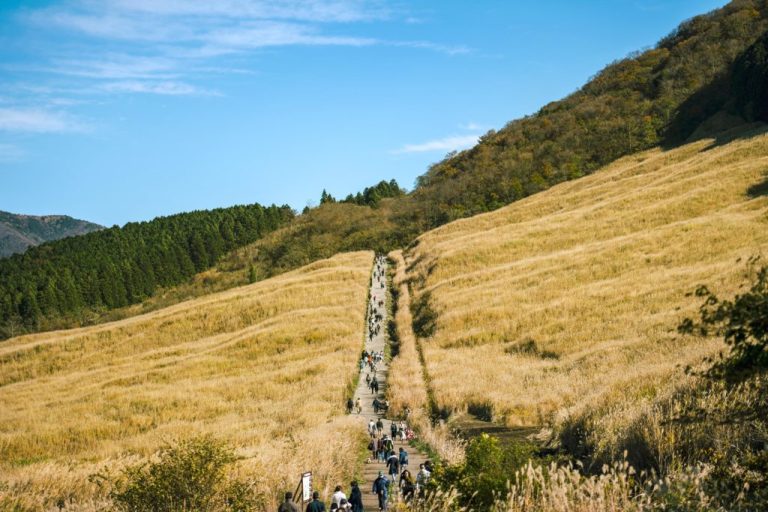
Unlike what we're used to in city sightseeing, the volcanic terrain here changes fast. Owakudani in Hakone still vents sulfurous steam from the volcanic plumbing of Mount Hakone, so buses and ropeways can close for safety when activity spikes. See what I mean?
Let me show you why elevation and geology matter: hikes on the Yoshida Trail up Mount Fuji are open in July and August only, the official climbing season. Outside that window, it's often closed due to weather and risk. My verdict? Plan season-first if you want to summit.
Scenic highlights and concrete routes
Imagine a narrow alley in Tokyo. Now swap it for the lakeside promenade at Kawaguchiko and you've got the contrast. Take the Fujikyu Railway from Otsuki to Kawaguchiko, then local buses to sights like the Itchiku Kubota Art Museum or the Chureito Pagoda for postcard views of Fuji. That's not all.
I still remember exactly the fog lifting over Lake Ashi in Hakone, revealing the mountain like a staged reveal. For a classic Hakone loop, use the Hakone Freepass from Odawara: Hakone Tozan Railway, cable car, ropeway and a tourist pirate ship on Lake Ashi. Classic Japan, isn't it?



Onsen as an essential part of the experience
Direct address: If you're travelling here, you can't skip onsen. The whole area is dotted with hot spring towns such as Hakone, Atami and Shuzenji on the Izu Peninsula, each with different water profiles and ryokan styles.
Seriously though, onsen etiquette matters. Wash thoroughly before entering communal baths, keep towels out of the water, and don't have tattoos visible in many traditional baths. My tip? Choose a ryokan with a private rotenburo if you have visible tattoos or want full privacy.
For Japanese learners, here's a small language hook: you'll hear the word onsen a lot, and you'll also see signs for sento, public baths. Learning a few polite phrases like "thank you" and "excuse me" goes a long way in quiet ryokan spaces. But that's not all.
Practical tips: transport, seasons and planning
Before I forget, access is straightforward from Tokyo. Take the Tokaido Shinkansen to Odawara for Hakone, or the JR Chuo Line and then the Fujikyu Railway for Kawaguchiko. Ferries run to the larger Izu Islands from Atami and Tokyo's Tokaido ports, with Tokai Kisen operating many routes.
Here's the deal: timing decides your experience. Cherry blossom and autumn colour seasons are busy, summer climbing months are specific, and winter gives crisp views of Mount Fuji but short daylight hours. Reserve ryokan early if you want an onsen room with a view.
Guess what? Many travel passes like the Hakone Freepass and regional JR tickets can save money if you plan multiple legs. My verdict? Pick one or two bases, book an onsen night, and use day trips to explore the rest.
What I especially like
Let me show you why small discoveries matter: a morning walk around Lake Kawaguchiko before buses start, a local soba lunch in a Yamanashi village, an evening soak under stars at a rotenburo. This is my absolute hidden gem!
Frequently Asked Questions
How do I get to Mount Fuji from Tokyo?
You can take the JR Chuo Line to Otsuki and then the Fujikyu Railway to Kawaguchiko, or take a highway bus directly from Shinjuku to Kawaguchiko.
When is the climbing season for Mount Fuji?
The official climbing season is usually July to early September; outside those months, trails and facilities are largely closed.
Sources
- Travel and Tour World
- Fuji-Hakone-Izu National Park - Wikipedia
- Hakone - Japan National Tourism Organization