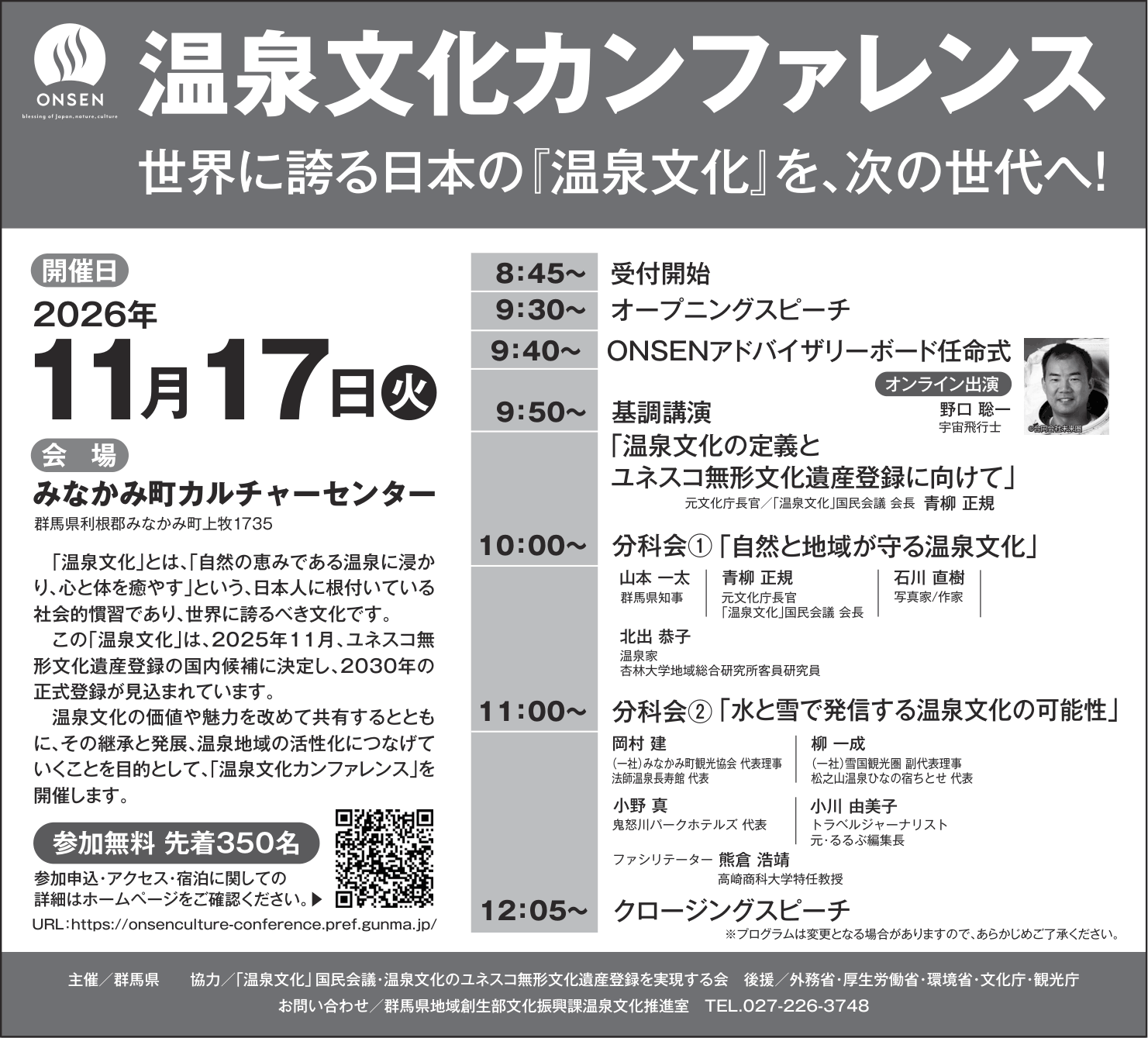
That combination matters. Japan’s ryokan-heavy onsen towns often have narrow streets, mixed pedestrian traffic, and the kind of seasonal visitor flow that turns a simple bus route into a small systems problem, which is exactly the sort of thing this trial is trying to solve.
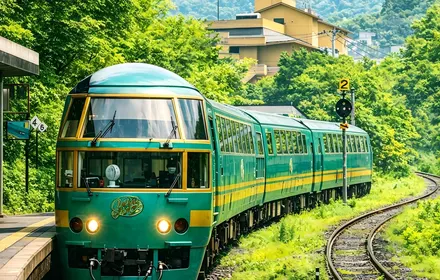


What started in Kinosaki Onsen
Kanematsu, Zentan Bus, Sompo Japan, and KDDI began an autonomous shuttle demonstration in Kinosaki Onsen on 9 November 2026, according to Kanematsu. The test runs in Toyooka city, Hyogo prefecture, in one of Japan’s best-known hot spring districts, where ryokan, public baths, and narrow local roads create a very specific mobility puzzle. It’s not glamorous work, but this is the sort of place where transport systems show their real weaknesses fast.

The project is built around a practical idea: use autonomous driving to support a town that has to move visitors and residents through a compact sightseeing area without making the streets feel like a test track. That balance matters. If a shuttle can work here, it’s got a decent chance of being useful elsewhere, too.
For Japanese learners, Kinosaki Onsen is a tidy vocabulary lesson in itself. Kinosaki is the place name, onsen means hot spring, and ryokan refers to the traditional inns that shape the district’s layout and daily rhythm. Those words do real work here, because this isn’t a generic urban pilot. It’s a very Japanese transport problem in a very Japanese tourist setting.

Who is doing what in the project
Kanematsu is acting as the trading-company coordinator, the kind of role 総合商社 (sogo shosha, general trading company) groups are very good at when a project needs multiple industries to stop talking past each other. Zentan Bus handles local bus operations. Sompo Japan brings insurance and risk-management expertise. KDDI contributes telecom and connectivity support, including the kind of network backbone autonomous mobility tends to depend on.
The thing is, autonomous transport is never just about the vehicle. It needs operations, safety planning, communication, route control, and a plan for what happens when conditions change. You can call that a mobility deal, a tech deal, or a logistics deal, depending on your mood. In practice, it’s all three at once.
This is also why Japanese corporate pilots often look like small coalitions rather than single-company showcases. One firm supplies the platform, another handles local operations, another manages risk, and another keeps the data moving. The result can feel a bit bureaucratic from the outside. That bureaucracy is the product.


Why this matters for Japanese mobility
Autonomous shuttles make the most sense where routes are repeatable and demand is steady enough to justify a dedicated service. On paper, a hot spring town fits that pattern. Visitors circulate between stations, inns, bathhouses, and sightseeing spots, often at predictable times. The roads can still be awkward, though, and that’s where the project gets interesting.
I especially like the logic here, because it avoids the usual shiny-demo problem. Nobody is pretending a shuttle in an onsen town will solve everything. It’s a constrained test, in a real place, with real operating partners. That’s much more useful than a polished video and a promise.
It also says something about how Japan tends to roll out new mobility ideas. The language is often about 社会実装 (shakaijissou), or social implementation, which means the point isn’t just to prove the software works. The point is to make the service fit the town, the workers, the insurers, and the passengers. That’s slower, less dramatic, and usually more durable.

What to watch next
The key question is whether the shuttle can handle local conditions smoothly enough to justify wider use. I’d watch three things: how the service integrates with existing bus operations, how the safety and insurance setup is handled, and whether the data from the trial actually feeds back into future improvements. Autonomous driving projects often sound finished when they’re really just entering the messy middle.
And that’s the part that matters here, not the novelty of a driverless vehicle, but whether a small Japanese town can turn a stack of corporate capabilities into something passengers will actually use without thinking about it too hard. That, in mobility terms, is the real victory.
Sources
In pictures