For Japan watchers, this is also a neat reminder that language tech is never neutral. A platform can save time, then turn around and embarrass a minister, which is exactly the kind of glitch that makes translators, diplomats, and Japanese learners wince at the same time.
Akazawa says X got the names wrong
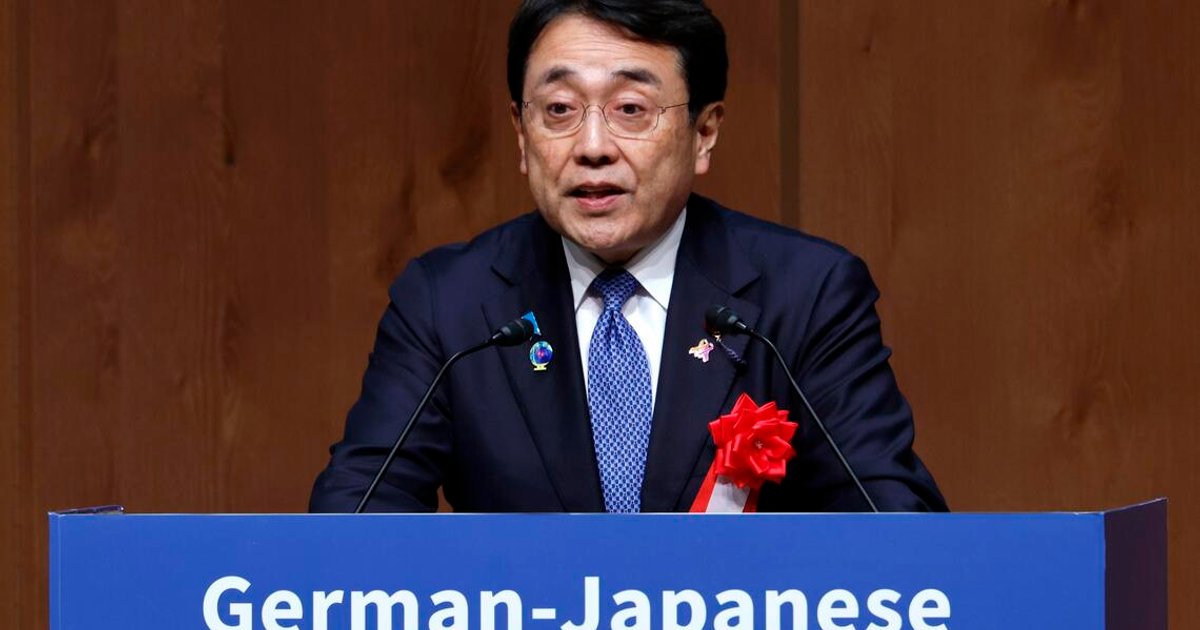
Japanese Trade Minister Ryosei Akazawa has blamed X's translation tool for a diplomatic near-miss after names in his posts were reportedly mangled. The reports say the tool incorrectly altered references linked to Bangladesh, Hasina, and Tarique, which is not the sort of thing you want happening when international politics is already tense.
The point here is not just embarrassment, though there was clearly plenty of that. It is that a machine-generated translation can change the meaning of a public message in a way that feels tiny to an engineer and enormous to a foreign ministry.
According to the reporting, the problem was repeated enough to become a matter Akazawa wanted fixed, not brushed off as a one-off typo. That makes sense to me, because once a platform starts messing with proper names, it stops being a convenience feature and starts behaving like a loose wire in a diplomatic room.
The practical lesson for Japanese learners is obvious. Names are one of the hardest things for any translation system to handle, especially when Japanese, English, and South Asian political names all collide in one public thread. If you are reading Japanese news, keep an eye on how names are written, because the smallest spelling shift can completely change who is being talked about.
Why translation mistakes become a political problem
Diplomacy runs on precision, and that is where this story gets sharper than a simple tech mishap. A misspelled restaurant name is annoying; a misread political name can imply disrespect, carelessness, or worse, and nobody in government wants to spend their afternoon explaining that a platform, not a person, caused the mess.
Bangladesh gives the story extra weight because the country sits inside a wider web of regional politics, historical memory, and personal rivalries. When names like Hasina and Tarique get tangled, the issue is no longer just grammar. It becomes a question of whether the message was understood as intended, and in diplomacy that is half the battle.
I think this is one of those cases where technology reveals a truth we like to ignore. Translation tools are helpful until they are not, and then everyone suddenly remembers that language is packed with context, status, and tone, not just dictionary entries. Japanese has a whole culture around careful wording for exactly this reason, from 本音 (honne, one's true feelings) and 建前 (tatemae, public stance) to the painstaking politeness of official speech.
X translation and the limits of automation
X's automated translation features have had a bumpy reputation for a while, and this episode fits that pattern neatly. The problem is not that machines cannot translate anything, because they absolutely can. The problem is that they often translate the wrong thing with total confidence, which is a deeply annoying talent.
In political communication, confidence without accuracy is not a feature, it's a hazard. A tool that alters names can create the impression that someone is speaking about the wrong person, endorsing the wrong faction, or simply not paying attention, and that is how a software glitch graduates into a diplomatic headache.
My tip: if you are learning Japanese and using automated translation for news, treat proper nouns with suspicion. Check the names, check the particles, and if a platform makes a political figure suddenly look unfamiliar, assume the machine may be the one that is lost.
What this means for Japan watchers
For people following Japanese politics, this is a tiny story with a surprisingly large shadow. Japan's government uses social platforms to communicate quickly, but speed is exactly where translation failures become more dangerous, because there is less time to catch an error before it spreads.
And there is a broader Japan angle here too. Japan is often treated as a country of meticulous attention to detail, yet modern digital tools still create the same sort of slippage that careful language is meant to prevent. That contrast is what makes the story feel so sharply Japanese, and so annoyingly modern.
Frequently Asked Questions
Who is Ryosei Akazawa?
He is Japan's Trade Minister and the official at the centre of this translation complaint.
What went wrong on X?
According to reports, X's auto-translation function incorrectly changed names in posts tied to diplomacy, including references to Bangladesh, Hasina, and Tarique.
Why does this matter beyond one post?
Because in diplomacy, a name error can create confusion, embarrassment, and the impression of disrespect, especially when the message is public.