That combination matters for Japan fans and language learners alike, since the prefecture gives you everyday vocabulary such as 猫 (neko, cat), onsen, ryokan, and 桜 (sakura, cherry blossom) in settings where they actually mean something. It also helps that Mie isn’t just a side trip, but a place with clear, visitable spots rather than vague “local atmosphere” claims.
Why Mie stands out for Japan fans
Mie prefecture sits in the Kansai region and gets less attention than Kyoto, Osaka, or Nara, which is exactly why it works so well for a slower trip. The area has coastline, shrine culture, family-friendly theme-park energy, and food traditions that make it easy to build a varied itinerary without crossing the whole country.
For Japanese learners, Mie is also a useful place name to recognise in conversation and on signs, especially when talking about regional travel. You’ll see words like onsen, ryokan, and 観光 (kanko, sightseeing; tourism) again and again, and they’re easier to remember when they’re tied to an actual destination instead of a textbook list.
Cat cafes in Mie and what they add to a trip
Cat cafes, or neko cafe, are one of the most accessible “only in Japan” experiences for visitors who want a calm break between sightseeing stops. In Mie, they fit neatly into a travel day because they don’t need a full half-day, and they work well if the weather turns bad or you want an indoor stop after a shrine visit.
The appeal is straightforward: tea or coffee, a quiet room, and the chance to spend time with cats in a controlled setting. Rules usually matter, so you’ll want to watch for signs about touching, feeding, photography, and hand washing, since those instructions are often posted in simple Japanese that learners can actually practise reading.
My tip: learn the basic cat-cafe vocabulary before you go, because words like 静か (shizuka, quiet; calm), 触る (sawaru, to touch), and 駄目 (dame, no good; not allowed) come up often. Even if you only recognise a few signs, it makes the visit feel less like guesswork and more like a small language exercise.
Tattoo-friendly onsen in Mie
Here’s the catch: tattoo rules are still uneven across Japan, and some baths remain strict, but Mie is part of the wider west Japan onsen landscape where tattoo-friendly options are easier to find than many first-time visitors expect. That matters if you’re planning a route that combines relaxation with sightseeing, because you don’t want a last-minute refusal at the door.
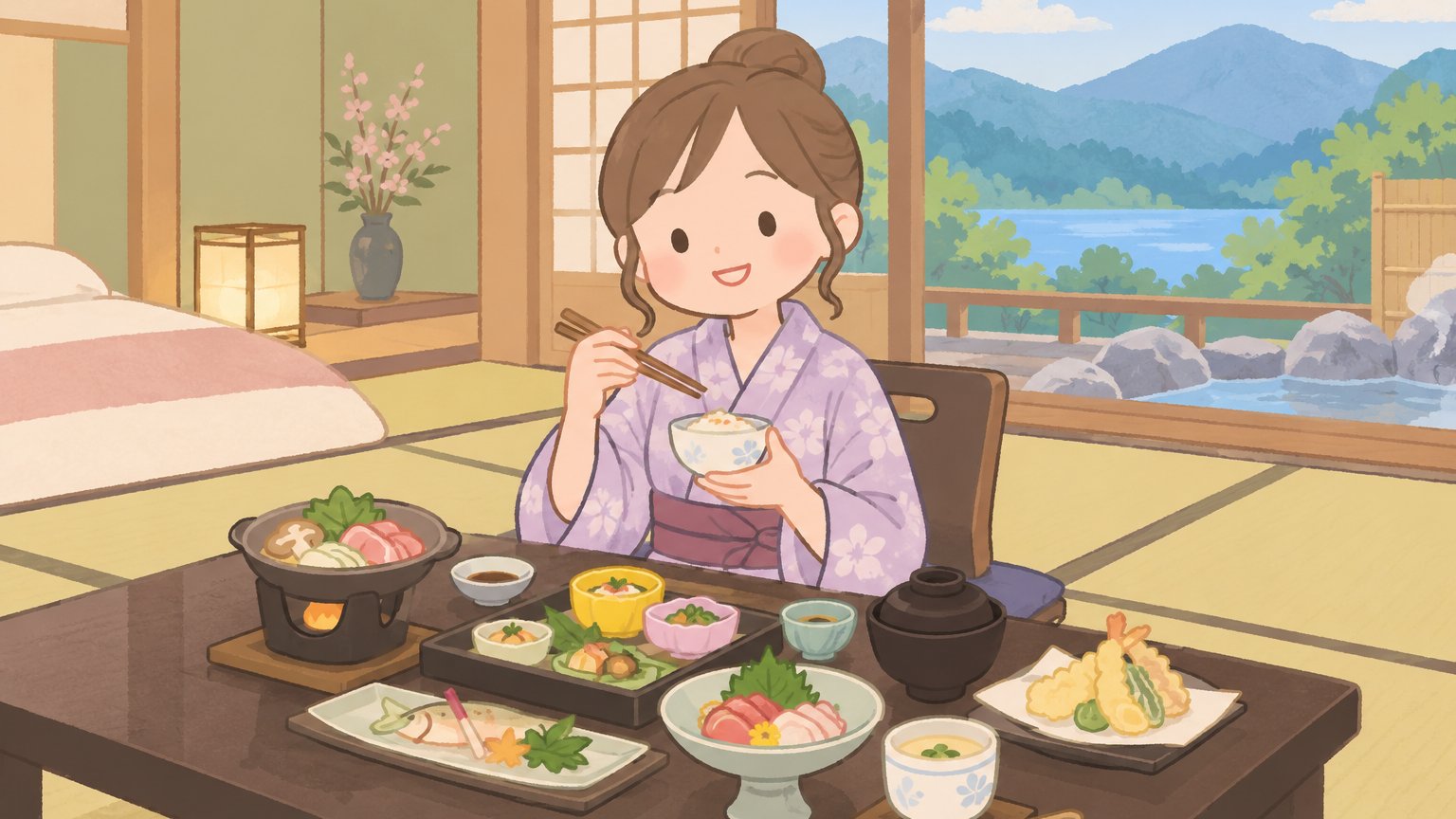
Among the onsen towns associated with the broader region, Mie’s draw is that it can be folded into a trip without relying on a single famous bath town. If you’re searching for a ryokan or public bath, check in advance whether tattoos are allowed, whether cover stickers are accepted, and whether the facility has a private bath option, or kashikiri buro.
According to the source material supplied for this topic, tattoo-friendly onsen are a real part of the itinerary conversation here, not just an afterthought. That makes Mie useful for travellers who want the onsen experience but don’t want to keep negotiating the same rule at every stop.

What to look for in onsen vocabulary
Terms like 湯船 (yubune, bathtub; bath), 露天風呂 (rotenburo, open-air bath), and gensen refer to the bath itself, an open-air bath, and the source water. If you’re reading signs or a website in Japanese, these words tell you more than marketing copy does, and they’re worth learning before you book anything.
Anime places and pop-culture stops in Mie
Mie also works for anime tourism because it has locations that connect to the broader Japanese fan travel map. Anime spots are usually more satisfying when they feel like real places first, not just photo backdrops, and Mie fits that pattern with towns, shrines, and coastal scenery that can be compared with scenes or settings from animated works.
The prefecture’s advantage is that it can support a mixed itinerary. You can start with a real-world location that anime fans recognise, then switch to a bath, a cafe, or a local meal without needing a long transfer or a special tour bus.
By the way, this is where Mie beats some better-known destinations: it gives you enough cultural material to make a themed trip, but not so much crowd pressure that every stop feels overrun. That makes it easier to notice details, from station names to local shop signs, which is useful if you’re building Japanese reading confidence.
How to plan a short Mie itinerary
A sensible first trip to Mie could combine one themed stop, one relaxed indoor stop, and one hot-spring evening. That structure keeps the day balanced, and it leaves room for food and transport delays, which are common enough in regional travel that you should plan around them.
If you want the best mix, pair a cat cafe with a nearby sightseeing area, then finish with an onsen or ryokan stay where tattoos are accepted. Add one anime-related stop if it fits your route, but don’t force too many transfers into a single day, because Mie works best when you let the prefecture set the pace.
What I especially like about this kind of trip is that it teaches useful Japanese without turning the journey into a study session. You get real context for words like neko, onsen, and ryokan, and that makes them easier to remember later.
Frequently Asked Questions
Is Mie worth visiting for first-time Japan travellers?
Yes, especially if you want a mix of food, culture, and low-key sightseeing without staying in one of Japan’s most crowded hubs.
Can tattooed visitors find onsen in Mie?
Yes, but you should always check the facility rules in advance, because policies can vary by bathhouse and ryokan.
What Japanese words should learners know before going?
Neko cafe, onsen, ryokan, rotenburo, and kashikiri buro are all useful terms for this kind of trip.