
For Japan fans and Japanese learners, this is a small but very practical piece of local news, the sort that shows how neighbourhood dining spots reintroduce themselves after renovation. It also gives you a chance to notice everyday food vocabulary like 居酒屋 (izakaya, Japanese-style pub), takeout, and campaign in a Japanese setting, which is handy when reading regional news in romaji. Wild, isn’t it?
Ingurichinguri in Tokushima City sets reopening date
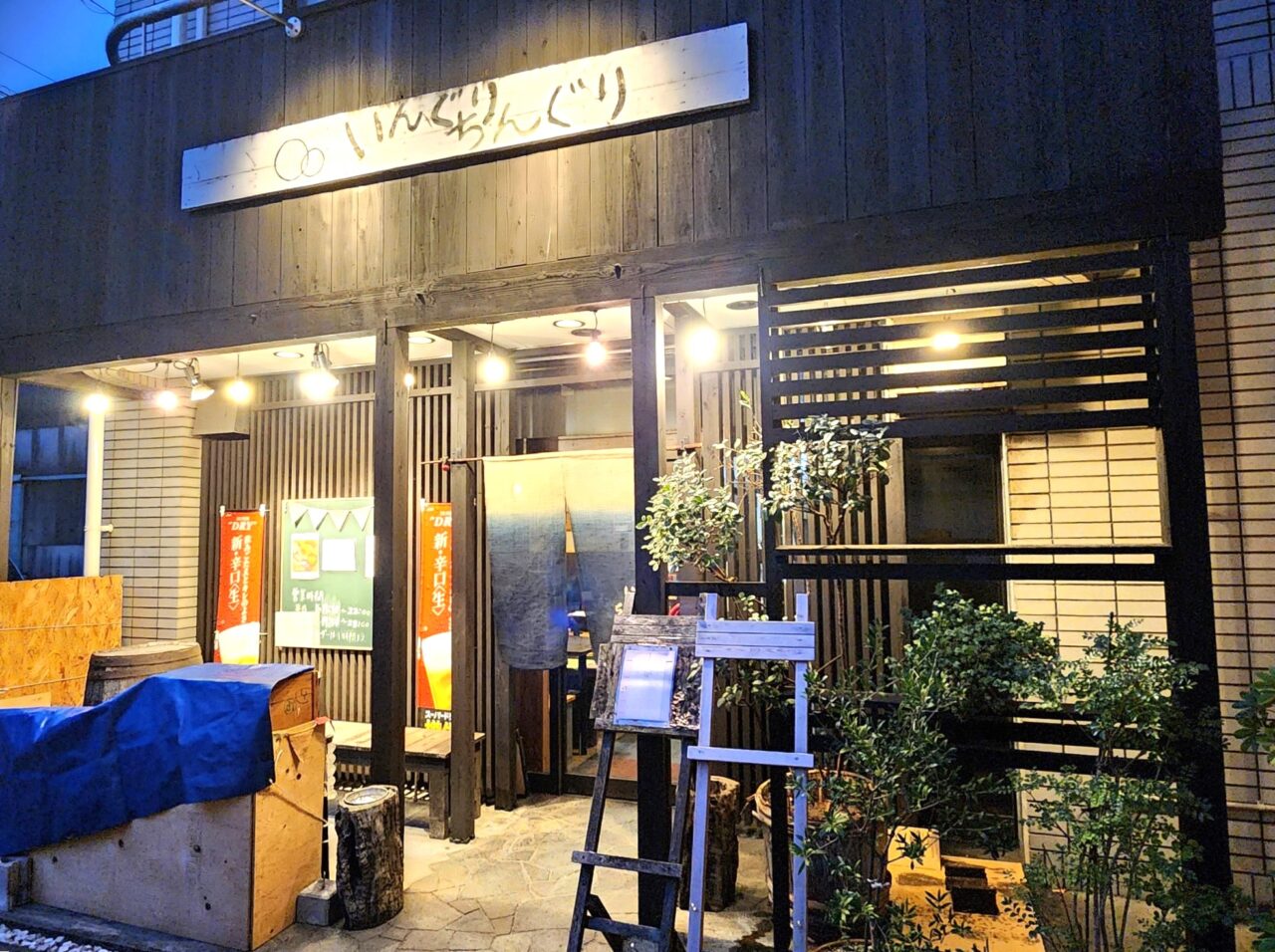
Ingurichinguri will reopen in Tokushima City on October 27, 2026, with the planned opening time listed as 11:00 according to goguynet.jp. The venue, a tucked-away izakaya in the Sako area, had been closed while renovations were carried out for a new takeout-style shop.
That single date does most of the heavy lifting here, because it turns a vague renovation story into a clear reopening notice. No exaggeration: for local food spots, that kind of firm schedule matters, especially when regular customers are waiting to see when the place will be back in action.
What I especially like is how direct this kind of regional announcement is. You get the place name, the city, the opening date, and the reason for the closure, all in one go. Simple, but very useful for readers who follow Japan’s neighbourhood dining scene. From my experience...
What the short ramp-up period means
Speaking of which, the reopening isn’t just a one-day relaunch. According to the same report, the shop plans campaigns during the first five days after opening, including discounts and limited gifts for customers who meet certain conditions.
That tells you there’s a bit of a soft-start feeling to the reopening. Businesses in Japan often use these first days to bring people back gradually, build attention, and reward early visitors. If you read Japanese local news often, you’ll see this pattern a lot, from bakery openings to small izakaya revivals.

Vocabulary note for learners
For Japanese learners, this story is a neat vocabulary checkpoint. Reopen is often written with terms like 再開 (saikai, reopening; resumption) or オープン (o-pun, open; opening) in casual reporting, while izakaya stays as izakaya in romaji. Takeout also appears frequently in modern Japanese business language, especially when a restaurant adds a retail or takeaway angle.
Before I forget: local place names matter too. Tokushima City is Tokushima-shi, and Sako is a district name you may see in regional articles, maps, and station-area listings. If you’re trying to read Japanese news in the wild, those place references are often the key to understanding how local coverage is framed. See what I mean?
Why this reopening is worth watching
Take Ingurichinguri, for instance. This isn’t a massive national chain launch, but that’s exactly why it’s interesting. Small neighbourhood spots often have more personality, and reopening news like this can signal a change in how a familiar place will operate, whether that means more takeaway items, a refreshed layout, or a new way to serve the local area.
Basically: these stories are a window into everyday Japan, not just headline-grabbing tourism news. They show how communities talk about food, renovation, and timing, and they give learners real-world wording that feels more useful than textbook examples. My tip: when you see a local reopening notice, pay attention to the date, the location, and any mention of campaigns or special conditions, because that’s usually where the practical details live. Wait, there’s more.
In pictures

Frequently Asked Questions
When will Ingurichinguri reopen?
It is scheduled to reopen on October 27, 2026.
Where is the restaurant reopening?
The reopening is in Tokushima City, in the Sako area.
Will there be any opening campaign?
Yes, the report says the first five days will include discounts and limited gifts under certain conditions.