Overview
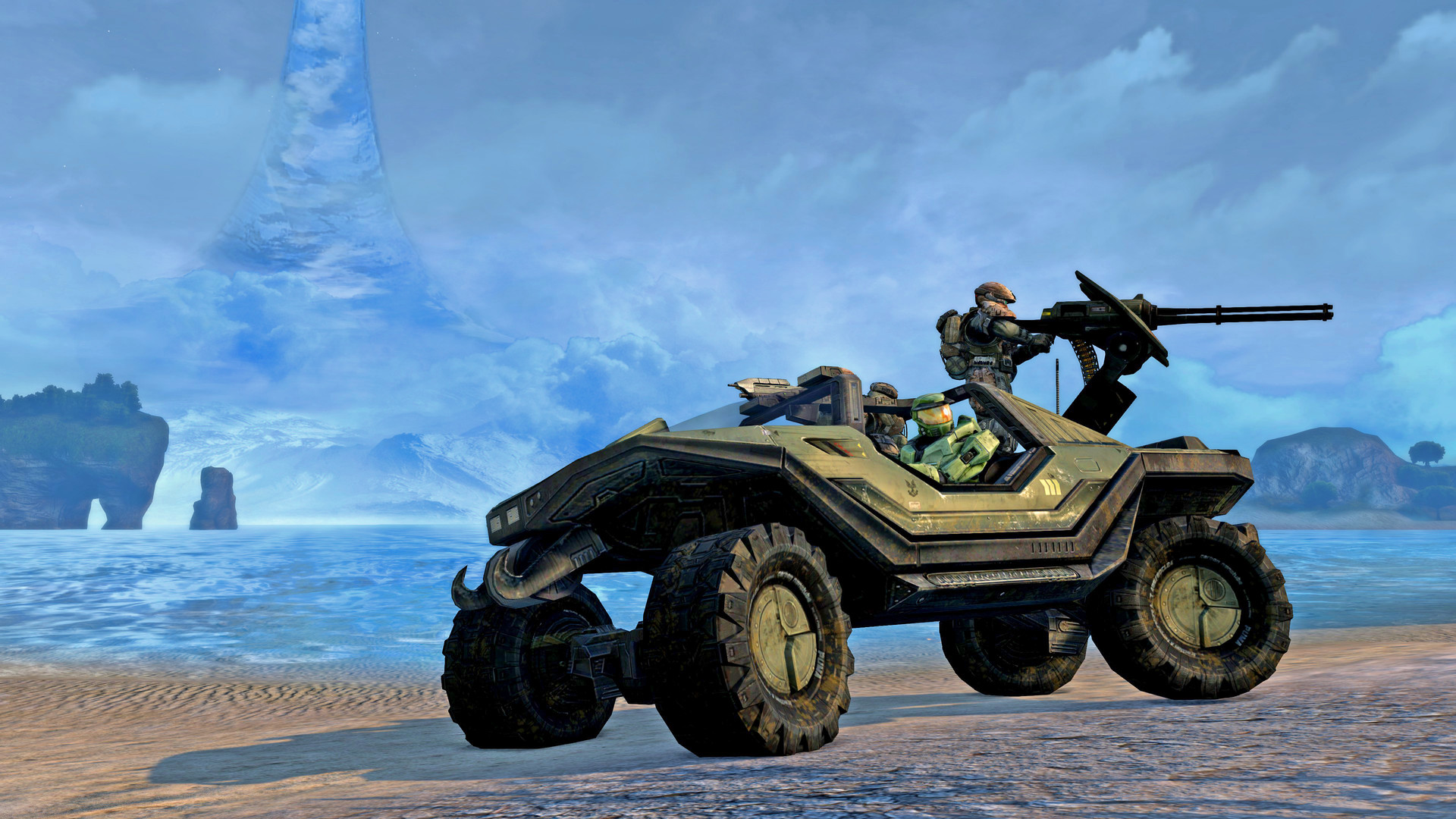
Okay, so, Halo: Combat Evolved is already one of those games that gets talked about like a foundational object, not just a shooter. But the part that makes it especially fun, and a little bit unhinged, is that fans keep trying to make it live on hardware it was never meant for. That is where the current conversation sits: one fan project called Halo-64, focused on Nintendo 64 multiplayer, and another fan port that runs Halo: Combat Evolved on Sega Dreamcast in an early, uneven state.
Neither of these is an official release. That matters. A lot. Halo-64 is a fan-made recreation aimed at the multiplayer side rather than the full campaign, while the Dreamcast project is more of a technical proof of concept right now, with performance that swings between impressive and messy. And honestly, that tension is part of the appeal. This is the kind of stuff that makes hardware history feel alive instead of sealed behind glass.
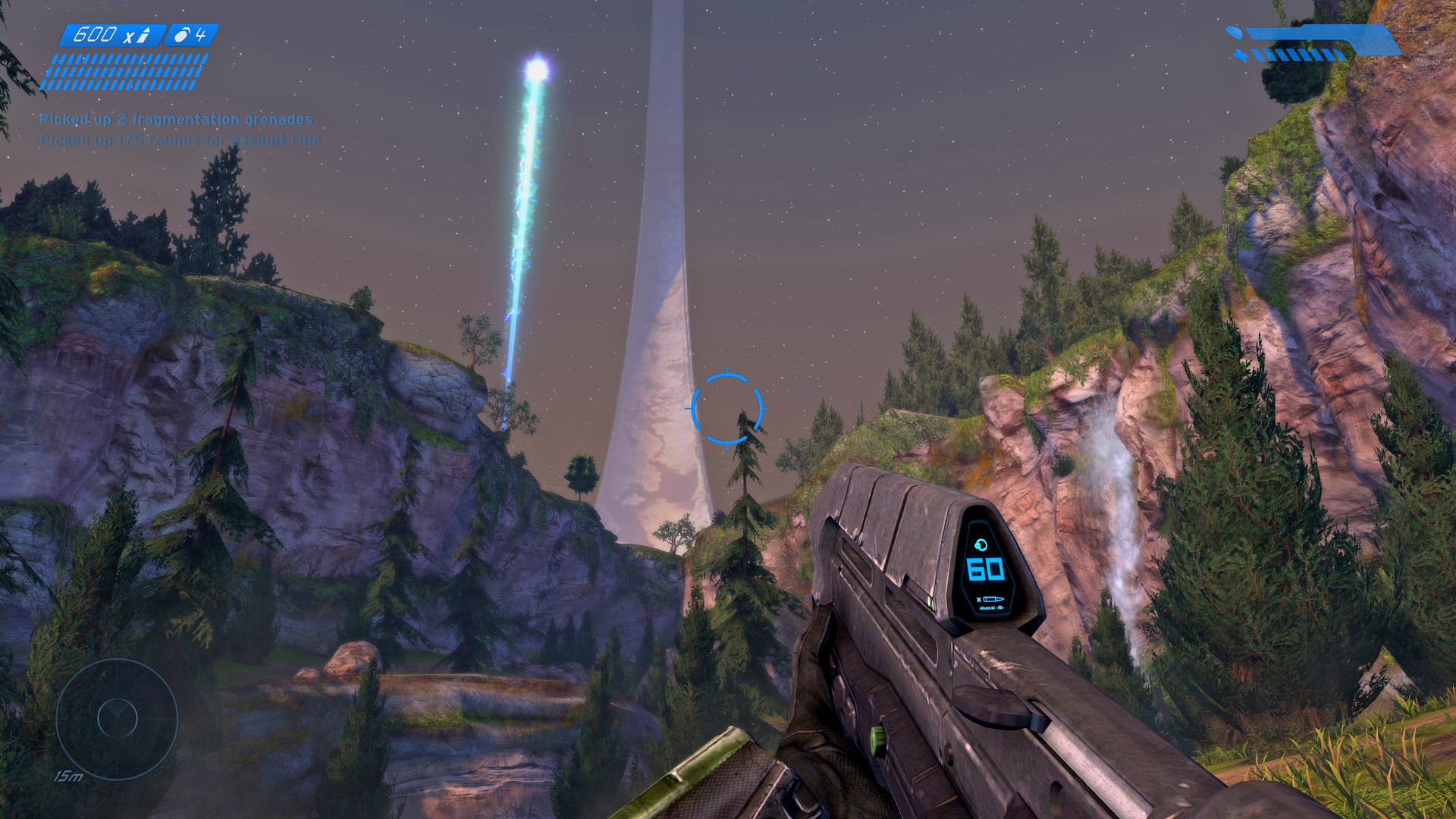
If you are looking for the practical side of the topic, this is also a useful Halo: Combat Evolved guide to where these fan ports stand, what they include, and what they do not. If you want the original game itself, you will need to look to the official versions on supported platforms, not these fan projects. If you want the weird delight of seeing an Xbox-era icon shoved into retro hardware, well, welcome to the good stuff.
Halo-64 and the Nintendo 64 multiplayer experiment
Halo-64 is the more feature-focused of the two projects. It is being recreated as a fan-made project for Nintendo 64, and the current emphasis is on multiplayer rather than the full single-player campaign. That choice makes sense, because the N64 is built for local couch chaos in a way that just feels spiritually correct for this sort of experiment. The project is described as supporting up to four local players, which is exactly the kind of detail that makes it feel like a real hardware oddity and not just a technical joke.
What is on the table here is a pretty ambitious package for a fan build: split-screen multiplayer, bot support, Firefight, and all 13 multiplayer maps. That is not nothing. That is a lot of content to aim for when you are rebuilding a modern-feeling arena shooter on a system that belongs to another era entirely. And yes, before you ask, Halo-64 is not an official Nintendo release. It is a fan project, full stop. That distinction matters because the internet loves to blur it, and then everybody ends up arguing in circles for no reason.
For people who care about fan engineering, this is where the fun is. The project is less about replacing the original and more about asking a ridiculous question, then answering it with code. Can the N64 host something recognizably Halo-like, with local multiplayer and enough structure to feel complete? Apparently, that is the point. And honestly, that is a pretty deliciously nerdy point.
The Dreamcast port and its current state
And here is where it gets interesting. A separate fan port has been running Halo: Combat Evolved on Sega Dreamcast, and the headline detail is that some moments reportedly reach up to 60 FPS. That sounds absurd on paper, because the Dreamcast is not the machine most people would nominate for a first-person shooter resurrection like this. But fan developers keep doing the thing where they make impossible hardware look merely difficult, which is why I can never fully stop paying attention.
That said, this port is still early, and the performance is uneven. Typical frame rates sit around 10 to 20 FPS, so nobody should pretend this is a polished, ready-to-play conversion. It is a work in progress, and you can feel that in the numbers alone. But the fact that it runs at all, even inconsistently, is the headline. It is the sort of project that exists because someone looked at a console and said, basically, let me try something stupid, and then kept going until it became technically interesting.
If you have seen coverage of other fan hardware experiments, you know the vibe already. It sits in the same general ecosystem as oddball preservation efforts and platform-crossing stunts, including projects like Halo-64 Brings Halo CE Multiplayer to Nintendo 64 and Halo: Combat Evolved Runs on Sega Dreamcast. Different machine, same beautiful nonsense.
Why these fan ports matter to Halo fans
At the end of the day, these projects matter because Halo: Combat Evolved is not just a game people remember, it is a game people keep reinterpreting. The original release was a landmark shooter, sure, but fan ports like these show how deeply the design still sticks in people’s heads. It is the maps, the weapons, the movement, the rhythm of matches, the whole thing. That is why a stripped-down multiplayer recreation on N64 can feel meaningful, and why a shaky Dreamcast port can still draw attention. The game has become part of gaming folklore, and fan projects are one of the ways that folklore gets kept alive.
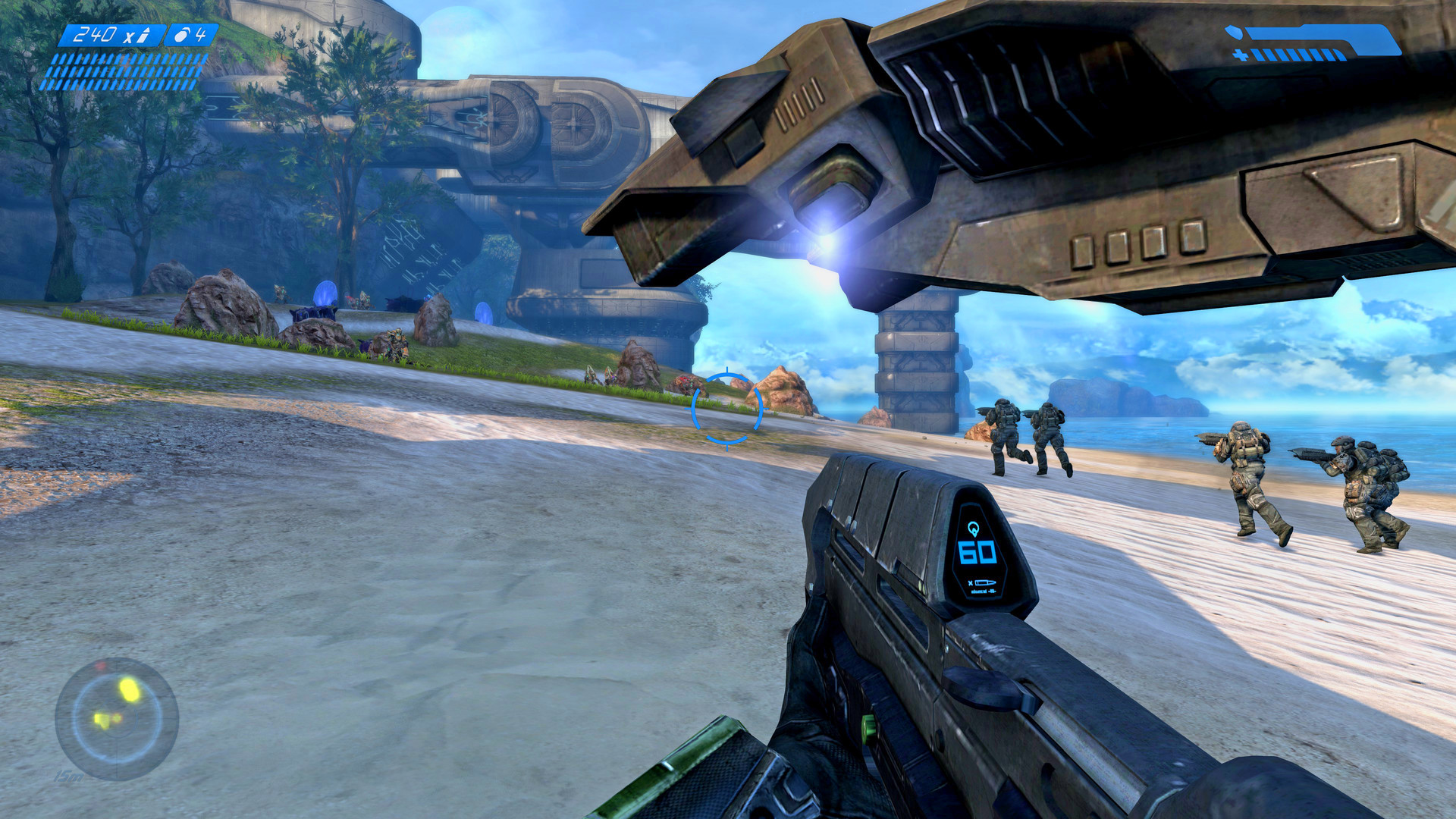
There is also a preservation angle here, even if nobody is calling it that out loud every five minutes. When fans build these things, they are not just chasing novelty. They are translating a familiar experience into a different hardware language. That gives you a new way to think about the original, and it also gives hardware enthusiasts something to argue about for years, which, let us be honest, is half the fun of being online.
And because this is jpnerd, I should say it plainly: if you are the kind of person who likes digging into the technical vocabulary around retro game projects, the phrase kanji is not actually the issue here, but the Japanese term romaji, meaning Latin-script Japanese spelling, is useful when you are searching for fan patch notes, hardware discussions, or community posts that mix English and Japanese terminology. Likewise, if you are looking up broader fandom commentary, japanisch lernen style search habits can help you find how Japanese speakers discuss retro ports, though that is more of a search strategy than a feature of the game itself. And 予約 (yoyaku, reservation; booking), meaning a reservation or booking, shows up more in retail contexts than in fan ports, so it is not the point here, but it is the kind of term you will see in Japan-focused coverage around release logistics and availability.
Related titles and what to play if you want the real thing
If your actual goal is to play Halo: Combat Evolved, not just read about impossible fan builds, then the important thing is simple: look for the official versions on supported platforms. These fan projects are fascinating, but they are not substitutes for the original game. The mainline Halo experience also connects naturally to later entries in the series, especially if you care about how the first game’s multiplayer DNA evolved over time. That broader context is what makes projects like Halo-64 so interesting, because they are not trying to replace the series, they are trying to remix a very specific part of it.
So, if you want the authentic version, buy or access the official release through the platforms that support it. If you want the curio, the engineering flex, the thing that makes your brain do a double take, these fan ports are the story. One is a multiplayer-heavy N64 experiment with local play, bot support, Firefight, and all 13 maps. The other is a Dreamcast port that exists in an early state, with frame rates that can climb, but still wobble hard. Both are real. Both are fan-made. And both are exactly the kind of weird side-story that keeps a game like Halo: Combat Evolved feeling alive long after the original conversation should have ended.
Frequently Asked Questions
Is Halo-64 an official Nintendo release?
No. Halo-64 is a fan-made project, not an official Nintendo release.
Does Halo-64 include the full campaign?
No. The project is focused on the multiplayer side rather than the full campaign.
How many players does Halo-64 support?
It is described as supporting up to four local players on Nintendo 64.
How well does Halo: Combat Evolved run on Dreamcast?
The Dreamcast port is early and uneven, with typical frame rates around 10 to 20 FPS, though some moments reportedly reach up to 60 FPS.
Where can I play the official Halo: Combat Evolved game?
For the official game, look to supported official versions rather than these fan-made hardware ports.