For Japan fans and Japanese language learners, there’s a neat cultural echo here too. Dreamcast has long been a console that inspires でかい (dekai, huge) dreams on modest hardware, and this project sits right in that sweet spot between retro hardware, maker culture, and a very nerdy kind of respect for old machines.


Halo: Combat Evolved on Dreamcast is real, and that is the story
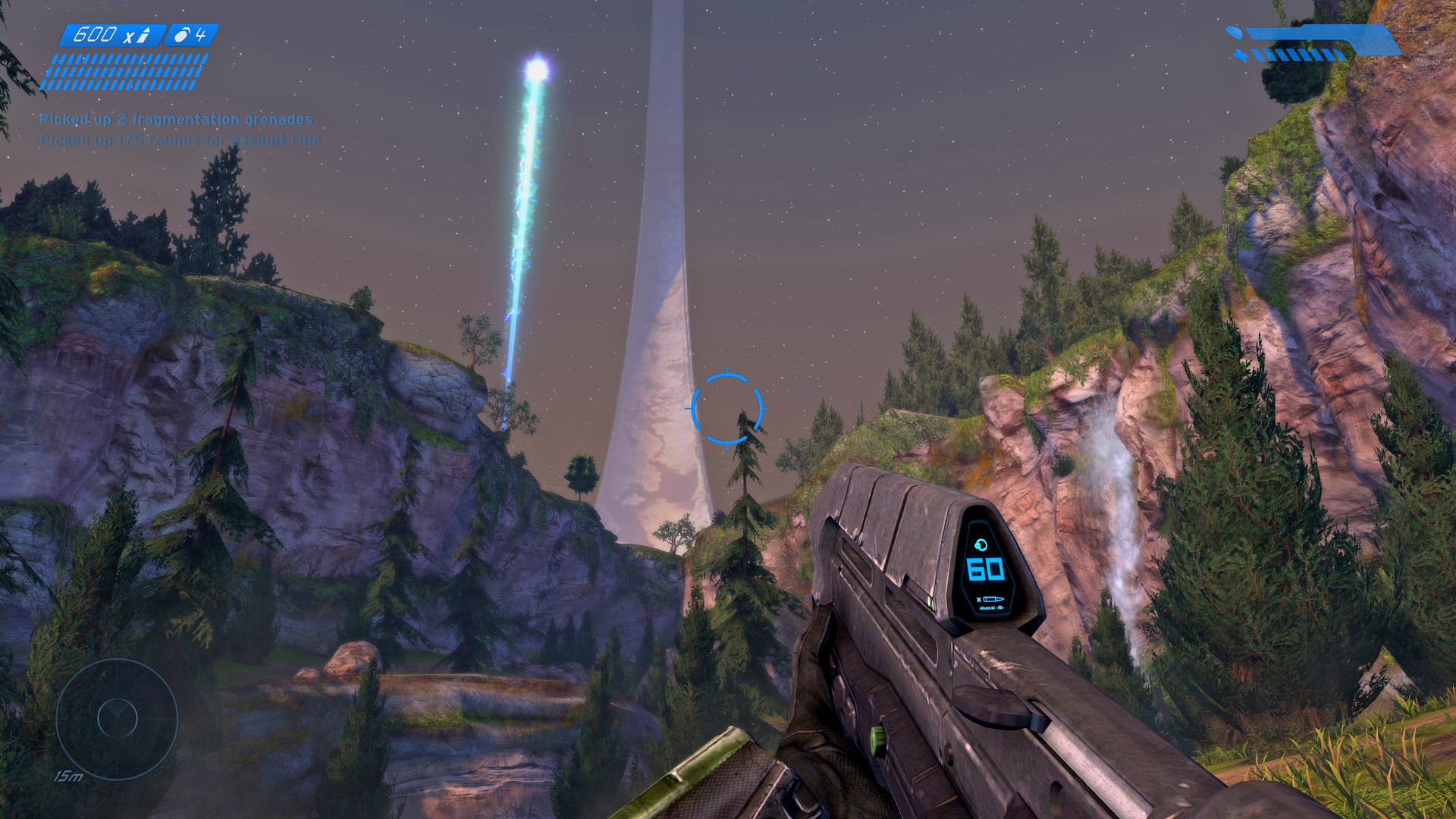
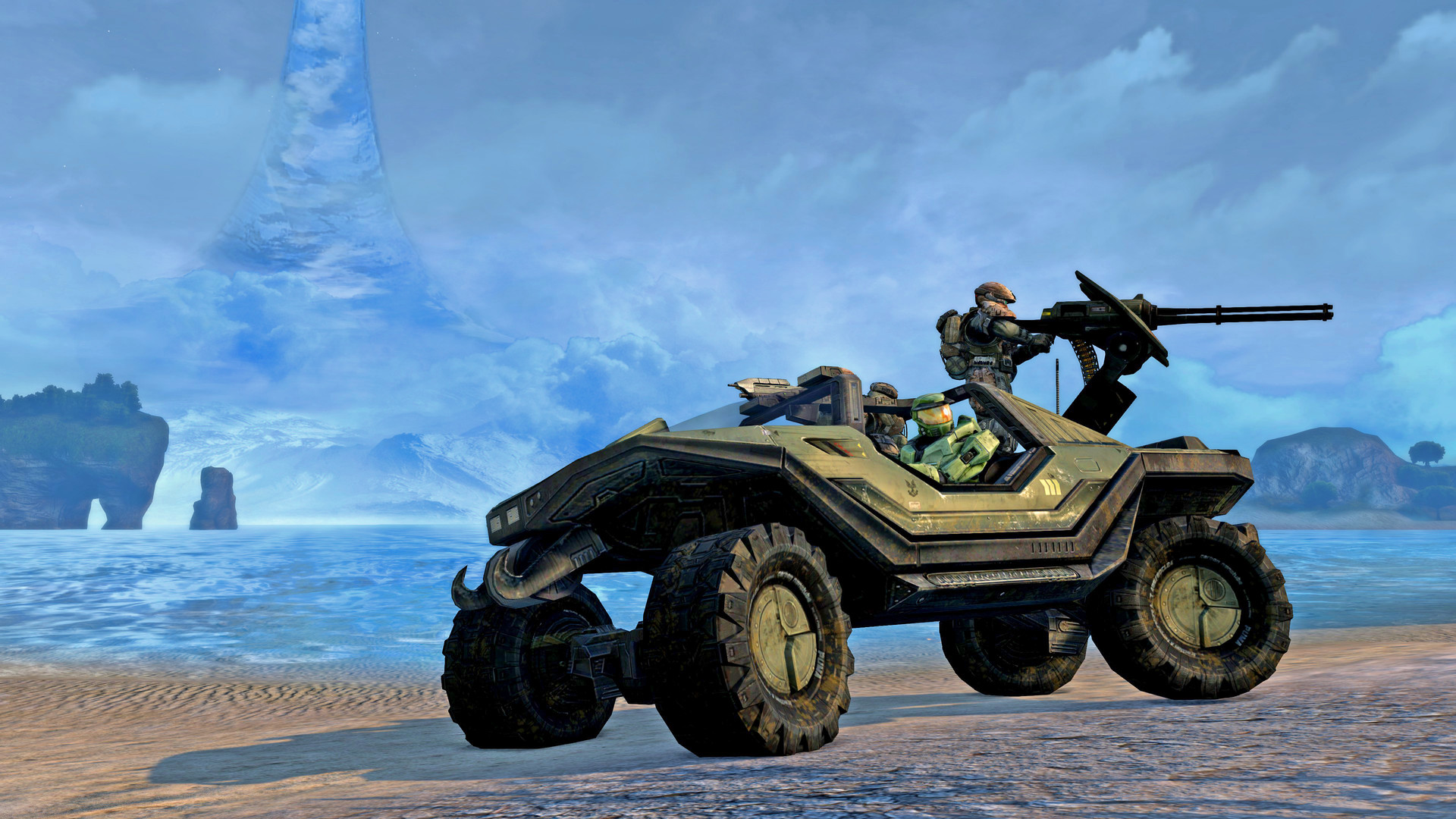
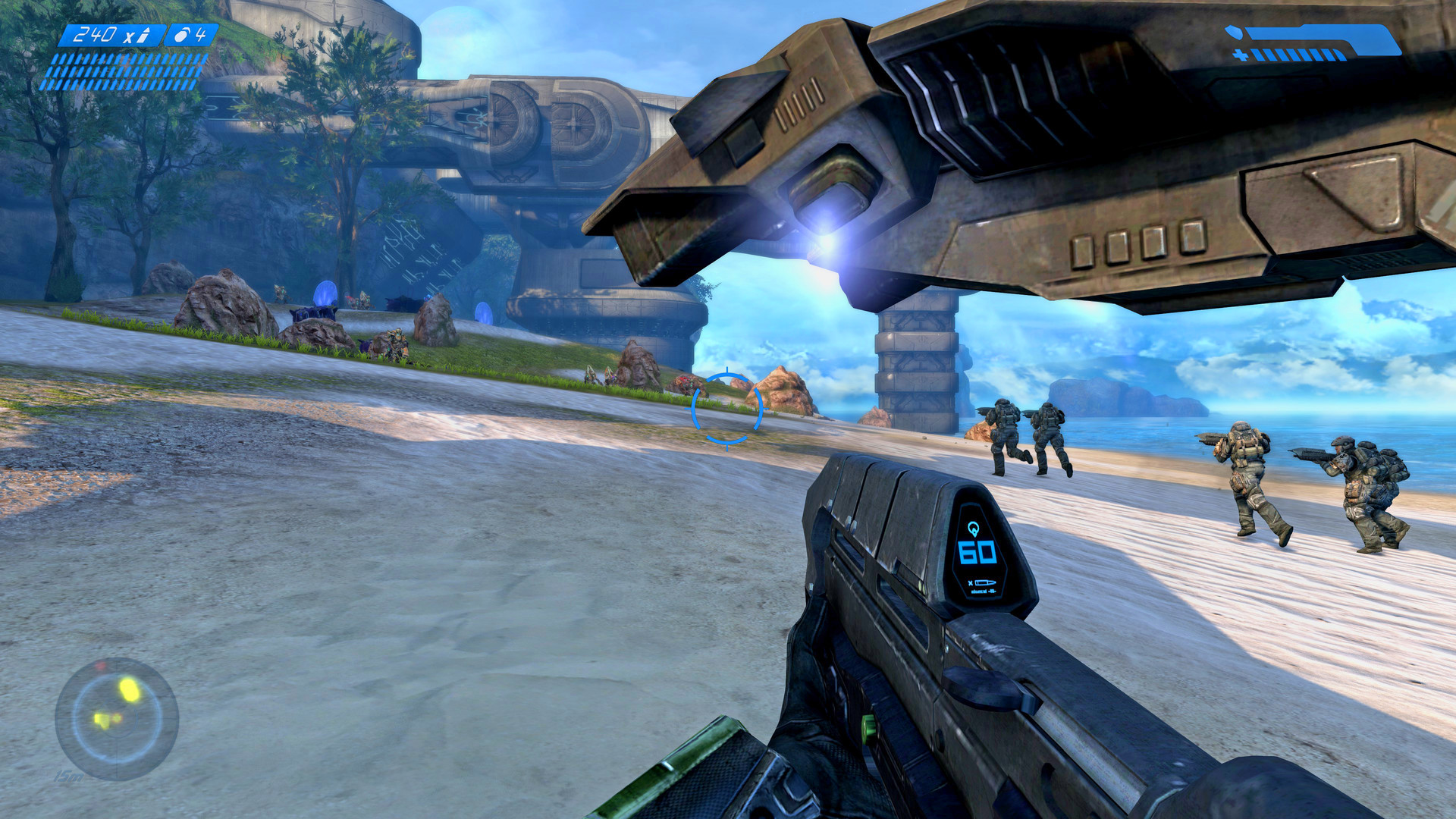
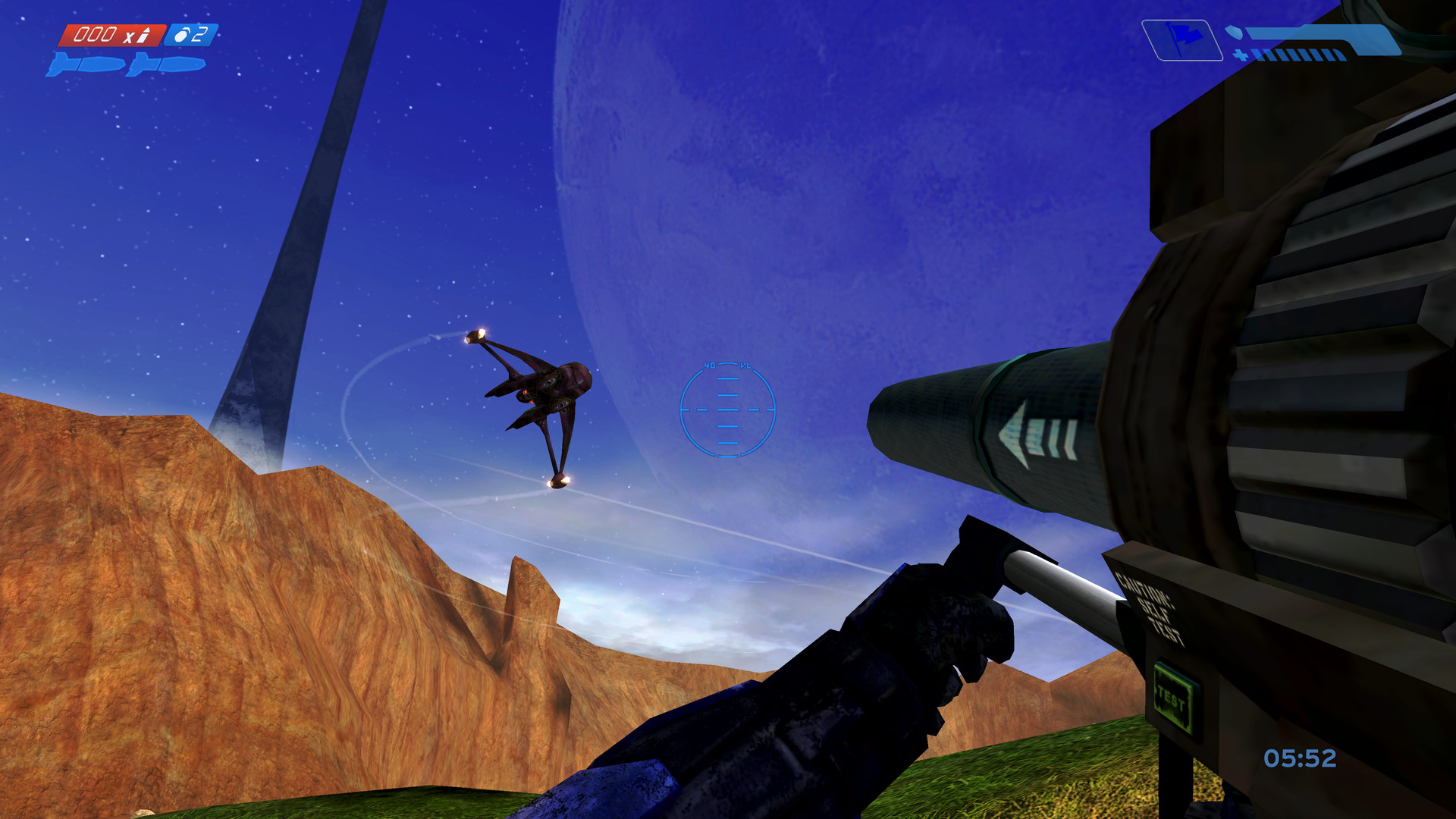
Halo: Combat Evolved is now running on Sega Dreamcast, thanks to a fan port that has started to turn a very familiar Xbox-era game into something far stranger. Windows Central reports that the project can hit up to 60 FPS in some moments, although it usually sits much lower, around 10 to 20 FPS. That gap matters. It tells you this isn’t a finished commercial port, but an ambitious proof of concept, the kind of thing that makes hardware people sit up and squint.
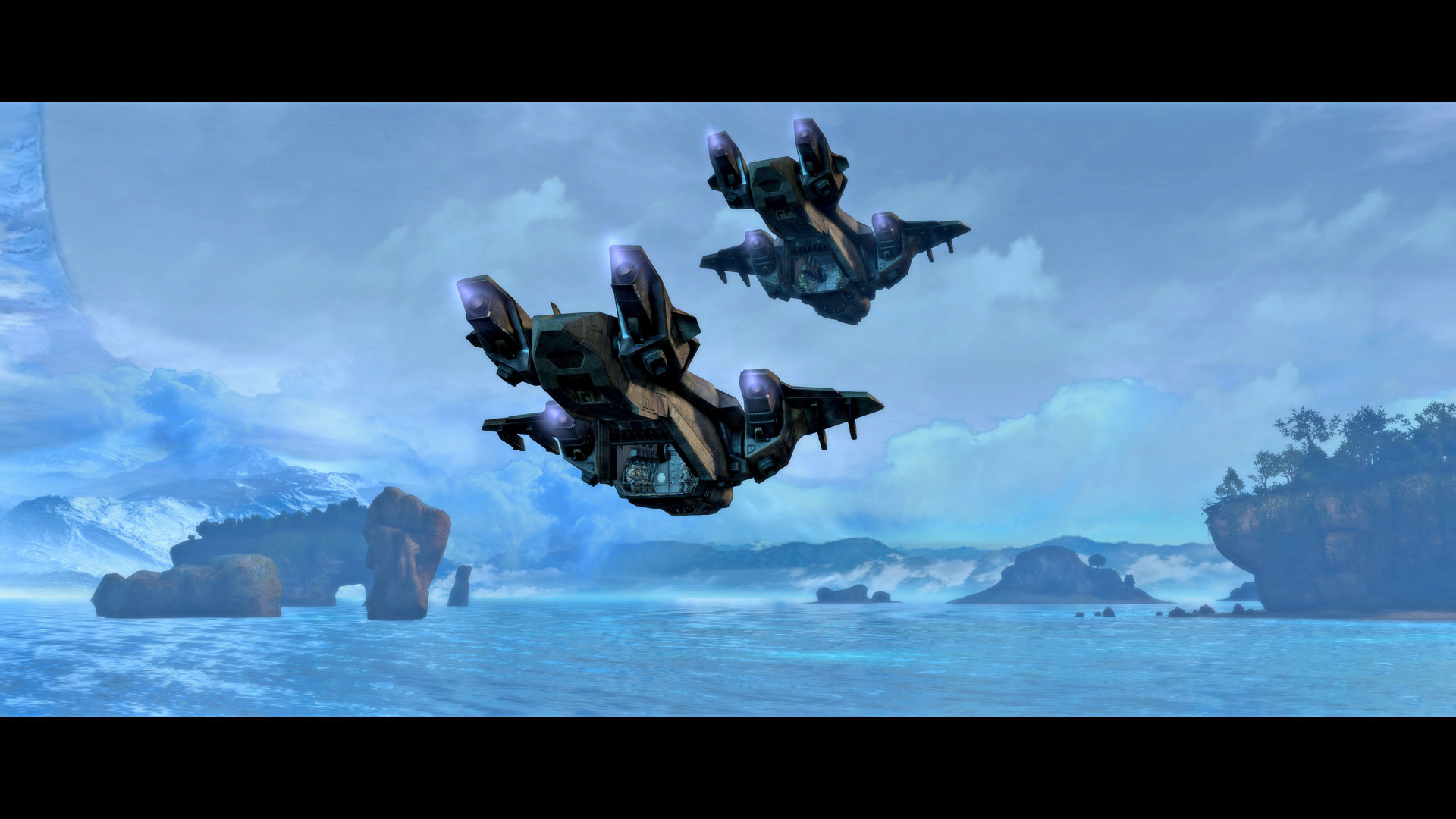
The thing is, the Dreamcast was never built for this sort of workload. Sega launched it in 1998 in Japan, and the machine earned its cult status through arcade-style speed, inventive peripherals, and a hardware scene that still refuses to behave like a closed chapter. Halo, by contrast, arrived in 2001 on the original Xbox and carried a very different technical profile. Putting those two objects in the same sentence already feels a bit rude. Putting the game on the console is even ruder, in the nicest possible way.
And this is where it gets a little interesting. A fan port like this doesn’t only ask, can the game boot? It asks what can be reduced, what can be rewritten, and what can be faked just enough to keep the frame rate alive. In practice, that usually means careful trade-offs in geometry, effects, animation timing, and how much of the original game logic survives intact. Not glamorous work. Very real work. Sounds good, right?
Why the frame rate numbers matter more than the headline
Here’s the deal: 60 FPS sounds clean on paper, but in a port like this, the average matters more than the peak. Windows Central says the Dreamcast build reaches that number only in rare moments, while the usual range is far lower. That tells you the port still has heavy bottlenecks, probably in rendering and overall system load, not just one neat optimisation fix waiting in a drawer.

Basically, a retro console port lives or dies on compromises. The Dreamcast has a PowerVR-based graphics setup, 16 MB of main RAM, and 8 MB of video RAM. That’s enough for elegant late-1990s design, not enough for a straight Halo clone. So the port has to cheat in sensible ways, and there’s no shame in that. Old consoles have always relied on tricks, just usually the tricks were hidden better.
What I especially like is the honesty of the result. A lot of fan projects get talked about as if they’re failures unless they’re polished enough to ship. That misses the point. A build that runs at 10 to 20 FPS most of the time but spikes much higher in lighter scenes tells you exactly where the engineering pressure sits. It’s a diagnostic tool, a curiosity, and a kind of preservation all at once. My tip: when a fan project reveals how much machine a game really needs, that’s often more interesting than a smooth trailer.
Why Dreamcast keeps attracting this kind of project
Fun fact: the Dreamcast remains one of the most loved consoles for fan-made technical experiments, and not just because of nostalgia. Sega’s machine is old enough to be approachable, but still ambitious enough to reward serious reverse engineering. That makes it a perfect target for ports, demos, and homebrew releases that test the edges of what the hardware can do.
There’s also a cultural angle here that Japan fans tend to notice quickly. In Japanese fan circles, the word 独占 (dokusen, monopoly; exclusive control) often implies ownership or monopoly, but the energy around retro hardware is almost the opposite. People keep old systems alive by modifying them, documenting them, and making them do strange new things. The result feels a bit like 改善 (kaizen, continuous improvement) by hobbyist instinct, except with game consoles instead of factory lines. Not bad, right?
Unlike what we’re used to with official remasters, a fan port doesn’t need to justify itself through market logic. It only needs curiosity, skill, and enough stubbornness to keep going when the first performance test looks miserable. That’s why a project like Halo: Dreamcast Evolved matters. It shows a community treating hardware as a living object, not a sealed museum piece.
What Halo on Dreamcast says about fan ports in general
Let me show you why this matters beyond one game. Fan ports expose the bones of software in a way polished remakes never do. They ask what can be stripped away, what absolutely cannot, and where the original design depends on assumptions about power, memory, and storage. Halo on Dreamcast is a clean example because the mismatch is so obvious. It’s a first-person shooter built for a much later console, running on a machine with very different limits. That tension creates the story.
There’s also a deeper pleasure in seeing a project like this land on a console with such a strong identity. The Dreamcast still carries a certain air of what-could-have-been, which Japanese gamers and collectors know well. The machine arrived too early in some ways, and too late in others, but it never stopped being interesting. A fan port like this doesn’t erase that history. It adds another layer to it.
So no, this isn’t a polished retail release, and it isn’t trying to be. It’s a nerdy technical flex, the kind that makes me grin because it respects both the game and the hardware enough to stress them honestly. And I think that’s actually the story here, not the spec sheet but the stubborn, creative relationship between old machines and the people who still refuse to leave them alone.
In pictures
Frequently Asked Questions
Is Halo: Combat Evolved fully playable on Dreamcast?
Not yet. The fan port is still early, and performance is uneven.
How fast does it run?
According to Windows Central, it can reach up to 60 FPS in some moments, but it usually runs around 10 to 20 FPS.
Why is this port getting attention?
Because it pushes a much newer game onto far weaker retro hardware, which makes it a useful and entertaining technical experiment.