For Japan fans, this is the sort of retro hardware story that feels very familiar, because it treats old games with the kind of care you’d expect from a neatly preserved 電気屋 (denkiya, electronics shop) or a collector’s room in Akihabara. Seriously though, this isn’t just nostalgia; it’s a very specific product story for people who still own original cartridges and want them on a modern TV.
Analogue brings back two cult consoles
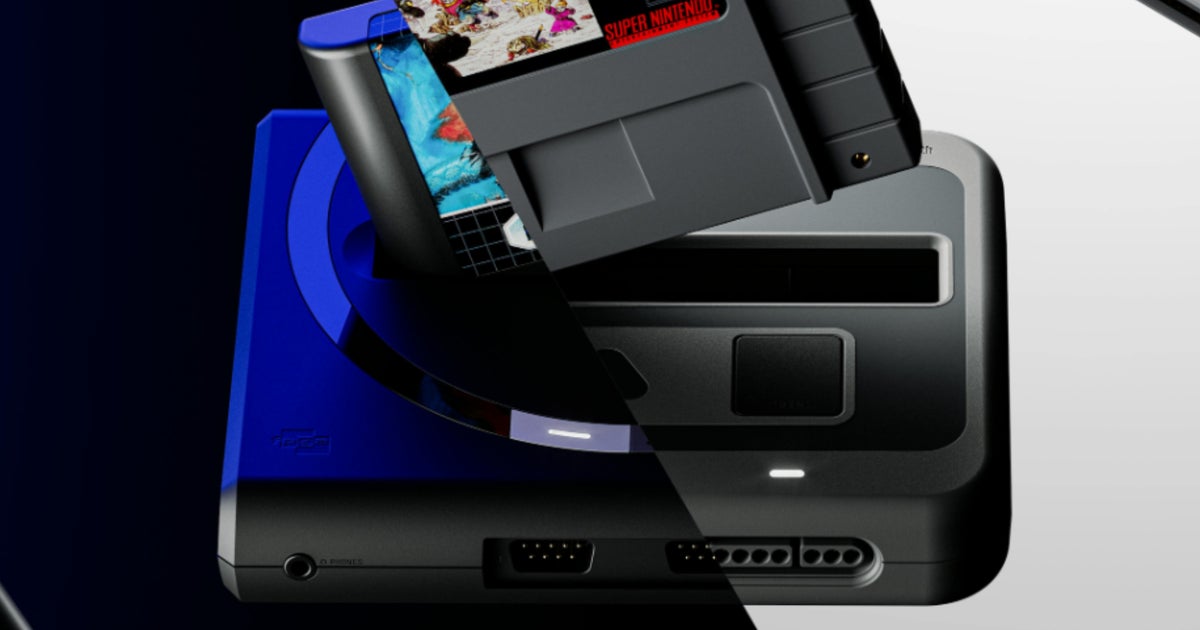
Analogue has revived two of its best-known retro systems, the Mega Sg+ for Sega Mega Drive games and the Super Nt+ for Super Nintendo cartridges. The news matters because these aren’t emulation boxes in the usual sense, but FPGA-based consoles that aim to behave like the original hardware while still looking at home beside a modern television.
According to reports from Eurogamer, ComputerBase and heise online, both machines are reissues of earlier Analogue models, not completely new ideas. That makes the move feel more like a refined comeback than a reboot. Hand on heart, that’s exactly the sort of product nerds tend to care about, because the appeal is in the details, not the marketing gloss. Wait, there’s more.
The big headline is simple. These consoles are made for original cartridges, not digital downloads or ROM libraries. If you still have a stack of Mega Drive or SNES games, this is the lane you want. My tip is simple: if a retro device can’t keep that physical connection alive, it loses a lot of its charm.
Mega Sg+ and Super Nt+ keep the old cartridge ritual alive
The Mega Sg+ and Super Nt+ continue the same idea that made their predecessors famous, only with a fresh coat of polish. That means the ritual is still there, slot in a cartridge, power on the machine, and let the hardware do its thing. For Japan language learners, this is also a neat little vocabulary moment: cartridge is often written as katamiri in fan talk, while old-school game culture often circles around words like レトロ (retoro, retro) and 電子ゲーム (denshi geemu, electronic game).
To be fair, the appeal isn’t only sentimental. Original cartridges often mean original save habits, original box art, and original regional quirks. Japanese Super Famicom releases, for example, can differ from overseas SNES versions in design, labelling, and sometimes even content. That regional layer is part of the fun, and it gives collectors a reason to care about specific shell colours and region-specific releases. Classic Japan, isn’t it?
Heise online notes that the new colour variants follow the regional design language of Sega and Nintendo’s older systems, which is a nice touch for purists. It sounds small, but for a target audience that notices the angle of a font on a cartridge label, it matters a lot. Simply brilliant.
USB-C and wireless control, but no cheap nostalgia
Here’s the catch: these are premium retro machines, and the price reflects that. ComputerBase reports that both the Mega Sg+ and Super Nt+ cost 219 dollars each, so this isn’t impulse-buy territory. You’re paying for FPGA hardware, modern connectivity and a carefully chosen presentation, not for a bargain box that merely looks retro.
The useful upgrades are easy to see. USB-C makes power and setup feel much more current, and wireless controller support means you don’t have to stay tethered to the TV the way you would with many older setups. That makes the consoles easier to place in a living room, not just in a collector’s cabinet. What I especially like is that Analogue hasn’t tried to bury the hardware identity under gimmicks. It still feels like a machine built for people who know why scanlines, latency and original carts matter. My verdict: this is retro done with intent.
Oh, almost forgot: this is also part of a larger Analogue pattern. The company has built a reputation around high-end modern reissues of classic systems, and the Mega Sg+ and Super Nt+ continue that line rather than breaking from it. That consistency is probably the strongest selling point. If you liked the earlier models, this is the cleaner, updated version of that same idea. Convinced yet?
Why this matters for Japan fans and retro game collectors
Unlike cheap nostalgia products, this launch is aimed squarely at a niche audience that actually cares about preservation, display quality and hardware accuracy. That makes it very Japanese in spirit, even if the company isn’t from Japan: respect for the object, respect for the original form, and a strong eye for presentation.
That reminds me: a lot of Japan-oriented collectors think the same way about toys, mini consoles, model kits and game hardware. The appeal isn’t only in playing, but in owning something that feels faithful, well-made and culturally specific. If you’re the kind of reader who gets excited by Super Famicom box art, regional shell colours or the exact feel of a vintage controller, then this story is right in your lane. This is a proper hidden gem!
For Japanese learning readers, one useful phrase here is 復元 (fukugen), meaning restoration or recreation in a faithful sense. It fits this whole product story well. The Mega Sg+ and Super Nt+ aren’t trying to replace the originals, they’re trying to respect them while making them workable on today’s setup. That balance is the whole point, and it’s why this launch stands out from ordinary retro hype. Wait, there’s more.
If you want more Japan-focused news like this, more Japan news on jpnerd.com.
Frequently Asked Questions
What are the Analogue Mega Sg+ and Super Nt+?
They are modern reissues of Analogue's earlier retro consoles, designed to play original Sega and Nintendo cartridges on contemporary TVs.
Do they use emulation?
They use FPGA hardware, which aims to recreate classic console behaviour through hardware rather than standard software emulation.
How much do they cost?
According to ComputerBase, both consoles are priced at 219 dollars each.