
Overview
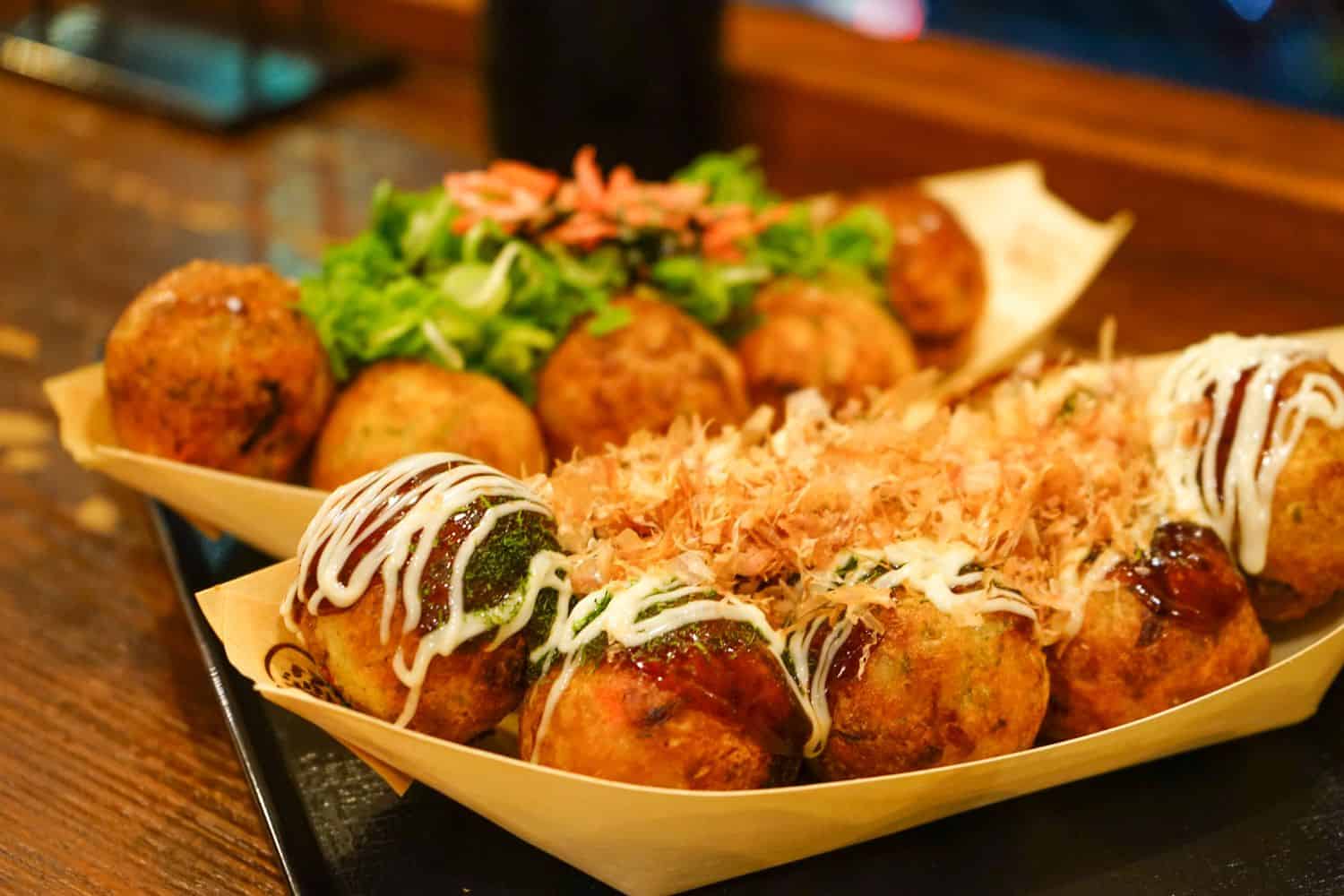
Japanese cuisine is built on fresh ingredients, clean flavours, seasonal rhythm, and a pleasing attention to texture. It is not usually a matter of one giant plate arriving like a theatrical entrance; more often, a meal is arranged as a set of parts, with rice, soup, side dishes, and a main component forming a balance that feels simple only if you have not tried to reproduce it at home. The idea of 和食 (washoku, traditional Japanese cuisine), the traditional style of Japanese dining, was recognised by UNESCO as intangible cultural heritage in 2013, which feels entirely appropriate for a food culture that treats restraint, refinement, and seasonality as virtues rather than constraints.


For visitors, the appeal is practical as well as cultural. Japanese food ranges from quick, inexpensive everyday meals to dishes that feel more like a small occasion, and the country makes it easy to eat well without making a fuss about it. That is, perhaps, the great trick. You can sit down for a bowl of 拉麺 (ramen, Japanese noodle soup) and leave happy, or you can build a meal around 寿司 (sushi, vinegared rice with toppings, especially raw fish), 天ぷら (tempura, battered and deep-fried seafood or vegetables), or 焼き鳥 (yakitori, grilled chicken skewers) and feel as though you have done something properly Japanese without needing to put on an apron and start talking about umami like a minor prophet.
What defines the way Japanese food is built
If you want the shortest possible summary, Japanese cuisine values precision over excess. Portions are often modest by international standards, but the food compensates through balance, clarity, and a repeated concern with what is in season. That seasonal awareness is not decorative; it shapes menus, cooking methods, and even how a meal is presented. A spring ingredient should taste like spring, not like a marketing department’s idea of spring, and the result is food that often feels lighter, sharper, and more deliberate than many visitors expect.
There is also the matter of structure. A standard everyday meal, or 定食 (teishoku, set meal with rice, soup, and side dishes), typically brings together rice, soup, a main dish, and a few side dishes. This format tells you a great deal about the wider cuisine: food is built to be eaten together, not merely consumed one heroic item at a time. And yes, there is elegance in that. It is the culinary equivalent of a well-run train timetable, though considerably more enjoyable.
- Fresh ingredients are central.
- Seasonality matters enormously.
- Flavours tend to be clear rather than heavy.
- Texture is treated as part of the experience, not an afterthought.
- Meals are often composed from several dishes rather than one large centrepiece.
The everyday dishes you are most likely to meet
For most visitors, the first encounter with Japanese food happens through a few reliable staples. Ramen is the obvious heavyweight, a bowl that can be rich, punchy, and absurdly satisfying for not very much money. うどん (udon, thick wheat noodles), thicker and chewier, offers a gentler experience. Soba, made from buckwheat, has a nuttier character and can be served hot or cold depending on the season. Curry rice is another everyday hero, straightforward and filling, and teishoku set meals are the sort of efficient, well-balanced option that make you wonder why more countries do not organise lunch with such common sense.
These dishes matter because they show that Japanese cuisine is not only about ceremony or spectacle. Ramen, udon, soba, curry rice, and teishoku are inexpensive, filling, and widely available, which is exactly why they are so important. They are the foods that anchor daily life. And if you are looking for the more celebratory side of eating in Japan, you can move from there into sushi, tempura, tonkatsu, okonomiyaki, and yakitori, each of which carries its own regional habits, shop styles, and loyal following.
For a broader sense of what people eat across the country, it is worth reading Japanese dishes you must try in Japan, because a simple list of names only gets you so far. The fun is in understanding how those dishes fit into daily life, travel plans, and the occasional overexcited lunch queue.
Why sushi, tempura, and yakitori still matter so much
Sushi may be the most internationally recognised Japanese dish, but within Japan it is only one part of a much larger picture. It can be a polished, special-occasion meal, or something simpler, depending on the setting. Tempura shows another side of the cuisine entirely: a preference for lightness and crispness, with the batter acting as a frame rather than a disguise. Tonkatsu, meanwhile, brings a different sort of comfort, combining crunch and tenderness in a way that has made it a dependable favourite. Yakitori is perhaps the most social of the bunch, the sort of grilled skewered food that belongs very naturally to a lively evening out, with a cold drink nearby and not much formality beyond knowing when to order another round.
Okonomiyaki deserves a mention too, because it sits somewhere between pancake, savoury snack, and all-purpose argument among regional loyalists. Beloved in different styles across Japan, it is one of those dishes that seems casual until you notice how passionately people defend it. All of which is to say: Japanese cuisine is not one thing. It is a chorus of techniques, regions, and habits, some minimal, some boisterous, all more structured than they first appear.
Where matcha fits into the picture
抹茶 (matcha, powdered green tea) is one of the most interesting examples of Japanese food culture moving from tradition to global fashion without losing its historical roots. It can be traced back to the 12th century, when monks such as Eisai helped introduce tea plants from China and lay the groundwork for what would become a major part of Japanese tea culture. Today, matcha appears everywhere from drinks and desserts to pastries and convenience-store snacks, which is what happens when a centuries-old practice meets the internet and a camera-friendly colour.
Its popularity has been accelerated by social media platforms like Instagram and YouTube, and by the retail boom in Europe and North America between 2015 and 2023. Cafes in cities such as Los Angeles, Seoul, and London now sell matcha products as if this has always been the natural order of things. There is also a nutritional reason for the attention: matcha uses the whole leaf, so it contains more catechins than brewed green tea. Some research has linked high green tea consumption with lower cardiovascular mortality in a Japanese cohort, though that is more a reason to pay attention than a license to start speaking in absolutes.
For readers interested in the wider cultural angle, warum japanische Küche im Ausland so gut ankommt gives useful context for why so many Japanese flavours travel well. The short version is that balance, freshness, and clarity do rather a lot of work on their own.
Food terms worth knowing before you order
Japanese food comes with a handful of useful terms that appear again and again, and it helps to recognise them before you find yourself pointing at menus like a startled tourist. Teishoku means a set meal, usually built around rice, soup, a main dish, and sides. Washoku refers to the traditional Japanese style of cuisine, the one recognised by UNESCO in 2013. Omotenashi is the idea of thoughtful hospitality, which is not a dish exactly, but you will absolutely feel it in how meals are served. Yoyaku means a reservation, handy for higher-end sushi or especially busy restaurants. And shun refers to something being at its seasonal peak, which is exactly the sort of word a cuisine like this deserves.
If you are using food as a way into the language, there is a lot here to work with. Search terms such as Japanese Cuisine guide, Japanese Cuisine kanji, and Japanese Cuisine japanisch lernen are all sensible places to begin, because cuisine vocabulary is one of the most immediately useful parts of everyday Japanese study. You encounter it in menus, in shops, and in the slightly alarming moment when the waiter starts speaking quickly and your only strategy is optimism.
Where to experience it in Japan
If you want to experience Japanese cuisine properly, the answer is not one single place but several kinds of place. Sushi counters and specialist shops show the precision side of the food culture. Ramen shops and udon or soba restaurants reveal how deeply everyday meals matter. Teishoku eateries demonstrate how complete and balanced a standard lunch can be. Izakaya and yakitori spots bring out the social, relaxed side of dining, while tempura, tonkatsu, and okonomiyaki restaurants show how much pleasure there is in dishes that are humble without being dull.
The best approach is to eat across categories rather than chase only the famous names. Start with one noodle shop, one set-meal place, one sushi stop, and one dessert or tea spot. That gives you the full spread: quick, casual, seasonal, refined, and slightly indulgent. It is really the only sensible way to understand why Japanese cuisine inspires so much affection abroad and so much everyday loyalty at home. Believe it or not, that combination is harder to fake than it looks.
Frequently Asked Questions
What makes Japanese cuisine different from many other food cultures?
It is defined by fresh ingredients, clear flavours, seasonal awareness, textural contrast, and meals that are often composed of several dishes rather than one large main.
Which Japanese dishes are the best starting point for visitors?
Sushi, ramen, udon, soba, curry rice, tempura, tonkatsu, okonomiyaki, yakitori, and teishoku are the most useful starting points.
Is Japanese food always expensive?
No. Ramen, udon, soba, curry rice, and teishoku are specifically described as inexpensive, filling everyday foods in Japan.
Why is matcha such a big part of the conversation around Japanese food?
Matcha has historical roots in the 12th century, became globally popular through cafes and social media, and is now one of the most recognisable Japanese flavours abroad.
What does washoku mean?
Washoku refers to the traditional Japanese style of cuisine, and it was added to UNESCO’s intangible cultural heritage list in 2013.