
Overview
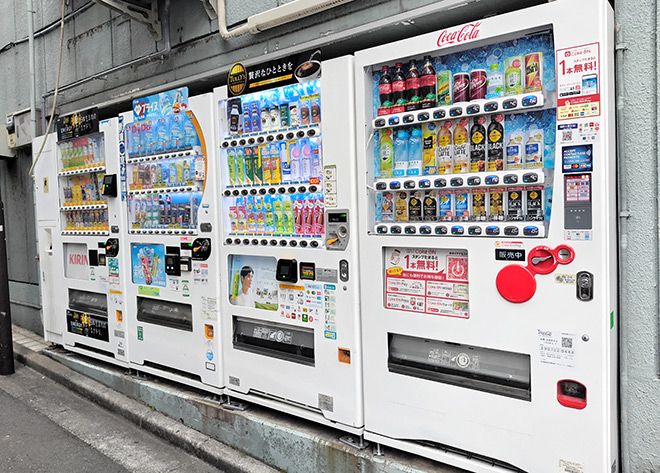
Japan Vending Machines are one of those everyday things that quietly reveal a lot about life in Japan. They are practical, yes, but they are also a small window into changing consumer habits, local food culture, and even the way a city sounds after dark. In recent reporting, operators have faced real pressure from rising procurement, distribution, maintenance, and electricity costs, and that pressure is reshaping what these machines sell and how much they charge. That means the classic drink machine is no longer the whole story.


For travelers, this makes the topic more interesting, not less. You may still find the familiar canned coffee, bottled tea, and cold drinks, but you are also more likely to encounter machines that act like tiny convenience stores, with snacks, おにぎり (onigiri, rice ball snack), sandwiches, salads, and even full 弁当 (bento, boxed meal) meals. Some of the more advanced units can chill, heat, or even microwave food, which is one reason these machines feel so useful in dense neighborhoods and near transit hubs. And if you are doing a Japan Vending Machines guide search because you want practical, on-the-ground context, the details now matter as much as the novelty.
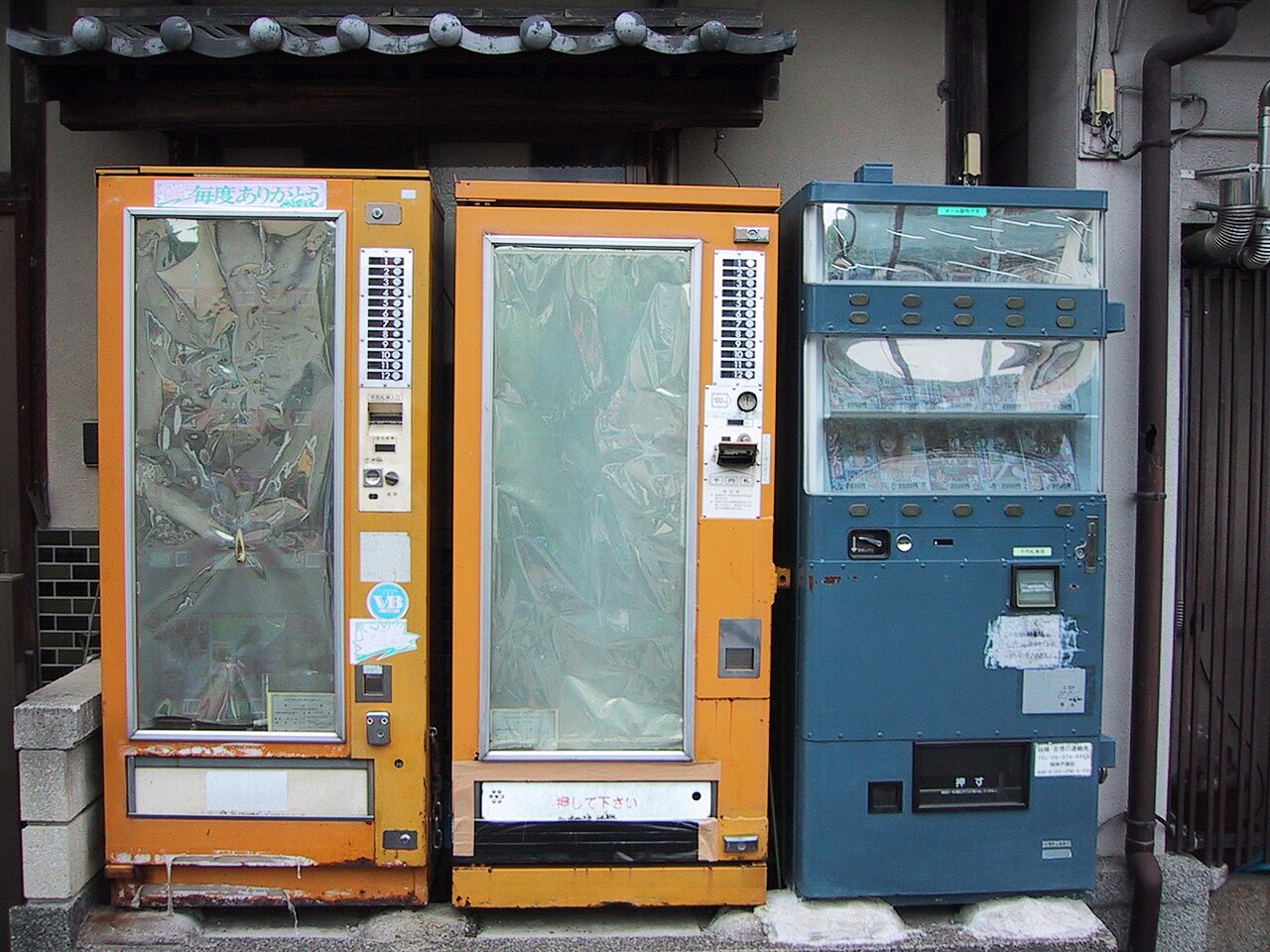
The broader picture also connects to everyday language and travel learning. A sign might use 漢字 (kanji, Chinese characters used in Japanese writing) for drink names, price labels, or food categories, so Japan Vending Machines kanji can be a surprisingly useful entry point for visitors trying to read menus and labels in the wild. And for anyone doing Japan Vending Machines japanisch lernen, these machines are a neat way to build vocabulary around drinks, meals, prices, and payment terms without feeling like homework. That is the fun part, really… learning by noticing.
Why prices are going up and what that means for travelers
One of the biggest recent shifts is economic rather than cultural. Asahi Shimbun reported that rising costs are pushing operators to raise prices or reduce selection, and that has changed the everyday experience of buying from a machine. Beverage procurement, distribution, maintenance, and electricity all cost more now, and modern machines are more technically intensive than many people assume. Cooling systems, cashless payment support, and other components add convenience, but they also add maintenance burden. So when you see a price jump, it is not just a random increase; it reflects a business model under pressure.
In some places, drinks that once sat around 110 to 120 yen have moved to roughly 130 to 150 yen. That may not sound dramatic in isolation, but for commuters, office workers, and shoppers who used to grab a quick drink without thinking, the change can shift behavior. Some people choose cheaper alternatives, skip the purchase, or avoid machines in lower-footfall spots. And that is part of the story too… the humble machine is responding to the same pressures as everything else around it.
For visitors, the practical takeaway is simple: expect variation. Busy stations and populated districts may still feel convenient and well stocked, while quieter corners may show slimmer selections or higher prices. If you are comparing options, it helps to treat Japan Vending Machines news as a living snapshot rather than a fixed rulebook.
From drinks to meals: how operators are adapting
Operators are not only raising prices. They are also broadening what the machines can do. More and more, you will see snacks, onigiri, sandwiches, salads, and bento meals appearing in machines that once focused mostly on drinks. Some units are set up like miniature convenience stores, with refrigerated sections for chilled items and heated compartments for warm meals. In a few cases, there are also heating or microwaving elements built into the machine itself, which pushes the whole idea far beyond the old image of a soda dispenser.
This shift makes a lot of sense in Japan’s urban rhythm. If you are arriving late, staying near a station, or passing through an area with fewer late-night shops, the machine can fill a small but real gap. It is not trying to replace a コンビニ (konbini, convenience store) entirely, but it can mimic that feeling of quick independence. You walk up, choose, pay, collect, and move on. Simple. Efficient. Very Japanese in the way that efficiency often hides a surprising amount of design work behind it.
And what’s more, the food angle can be especially fun in Tokyo. Some machines there offer regional bento boxes, sometimes with QR codes that provide origin information. That turns a simple purchase into a little storytelling moment, where the meal says something about where it came from. If you enjoy exploring local food culture in practical settings, this is one of the lesser-known ways to do it.
Where the machines fit into Tokyo’s urban soundscape
There is another layer to all of this that people often miss until they slow down and listen. Tokyo vending machines are described as part of the city’s acoustic landscape, with distinct clicks, hums, chimes, and mechanical jingles that blend into the background around capsule hotels, alleys, train stations, and other dense urban spaces. The phrase acoustic architecture is useful here, because Tokyo’s narrow streets and tightly packed buildings can make small sounds feel more present than you might expect.
That matters in a city where you move between bright thoroughfares and quiet side lanes in just a few steps. A machine near a capsule hotel, for example, may sit in a space where every little noise seems amplified and reflected. The result is subtle, but memorable. It is not a tourist spectacle, exactly. It is more like one of those hidden details that gives a place texture when you pause long enough to notice it.
There is also a nice bit of urban history in the background here. The first capsule hotel is widely credited to Kisho Kurokawa’s Capsule Inn Osaka, which opened in 1979. That matters because capsule hotels and vending machines often belong to the same travel ecosystem: compact, practical, late-night friendly, and built around the idea that a city can keep working in small, efficient pieces. Together they create a very specific kind of Japanese urban experience, especially for travelers moving through dense districts after dark.
Useful places to experience them in Japan
If you want to experience Japan Vending Machines in a way that feels real rather than staged, look for places where daily life naturally flows around them. Station entrances, hotel fronts, alleyways near busy neighborhoods, and areas around capsule hotels are especially good places to start. In Tokyo, dense districts make it easy to notice how machines are used, heard, and relied on. You do not need to chase them as if they were rare objects; they are everywhere, which is precisely why they are worth noticing.
- Train stations, where commuters use them for quick drinks and sometimes snacks
- Capsule hotel areas, where late-night access and small-space practicality matter
- Residential side streets, where lower-footfall machines may show the impact of changing demand
- Busy Tokyo districts, where regional bento and QR code information may appear
- Convenience-oriented spots near offices and shopping streets, where fast, cashless purchases fit the pace of the neighborhood
If you are interested in the cultural side, try treating each machine like a tiny study in local habits. What is stocked? What costs more? Is there food, not just drinks? Is there a digital payment option? These are small observations, but they add up. And they are useful whether you are traveling, photographing city details, or trying to read labels and menus more confidently in real life.
A practical note for language learners and curious travelers
For language learners, Japan Vending Machines kanji can be a low-pressure way to build recognition. You will repeatedly see written forms connected to tea, coffee, water, hot and cold options, and food categories like bento or sandwich items. That kind of repetition helps the eye. It also makes the city feel less mysterious, one label at a time. If you are working on Japan Vending Machines japanisch lernen, I would argue that the point is not to memorize everything at once. It is to notice a few words, then notice them again tomorrow. That is often how real progress happens, anyway.
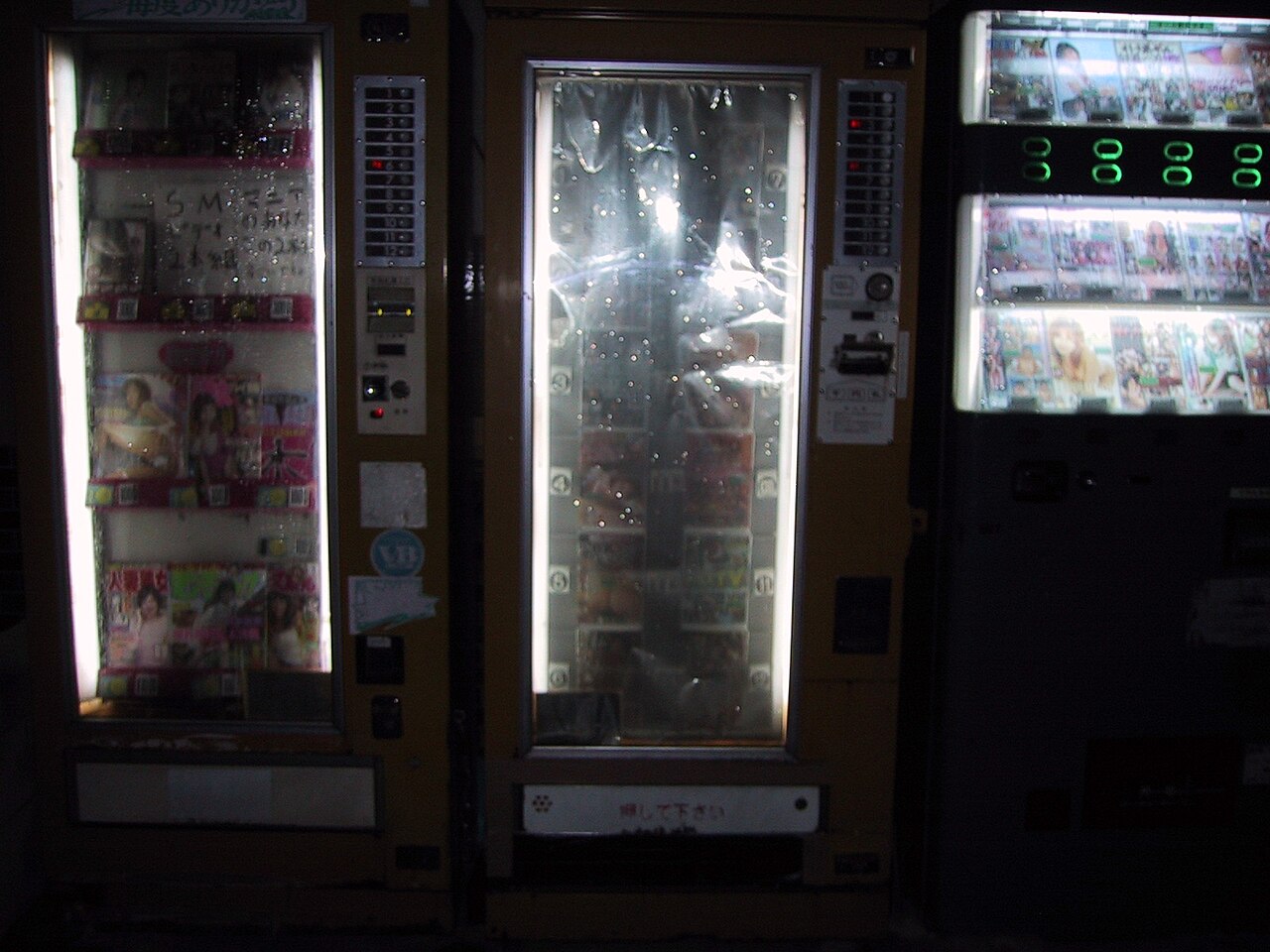
And if you are simply traveling, that is fine too. You can enjoy the machines for what they are: practical, resilient, a little quirky, and now changing under the pressure of rising costs. They still serve drinks. They still light up corners of the city. But they also tell a bigger story about how Japanese urban life adapts, quietly and continuously.
In the end, the best way to understand them is to encounter them where they live, in stations, side streets, and the spaces between destinations. That is where the story feels most honest. And, honestly, that is where Japan often rewards you most: not in the obvious centerpieces, but in the hidden spots you only notice because you kept walking, kept looking, and kept being curious.
Frequently Asked Questions
Why are Japan Vending Machines getting more expensive?
Operators are under pressure from rising beverage procurement, distribution, maintenance, and electricity costs, so prices have gone up in some places.
Do Japan Vending Machines only sell drinks?
No. Many machines now also stock snacks, onigiri, sandwiches, salads, and even bento meals.
Where can I experience Japan Vending Machines in Japan?
Train stations, capsule hotel areas, alleyways, and busy Tokyo districts are all good places to notice how they fit into daily life.
Are there Japan Vending Machines with food that can be heated?
Yes. Some machines include refrigerated or heated sections, and a few even have heating or microwaving elements for hot meals.
Can Japan Vending Machines help with language learning?
Yes. They are useful for practicing basic kanji and everyday vocabulary tied to drinks, meals, prices, and payment terms.