What matters here isn’t a magic trick, but a practical shift in how 漢字 (Kanji, Chinese characters used in Japanese) were studied day by day. If you’re already learning Japanese, this story’s for you, because the lesson is simple: the right system can make the mountain feel climbable. Let’s look at what actually helped!


Kanji learning is the real bottleneck for many students
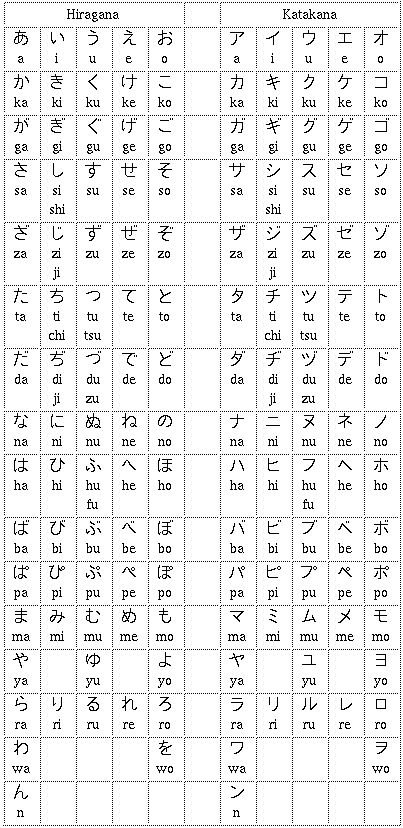
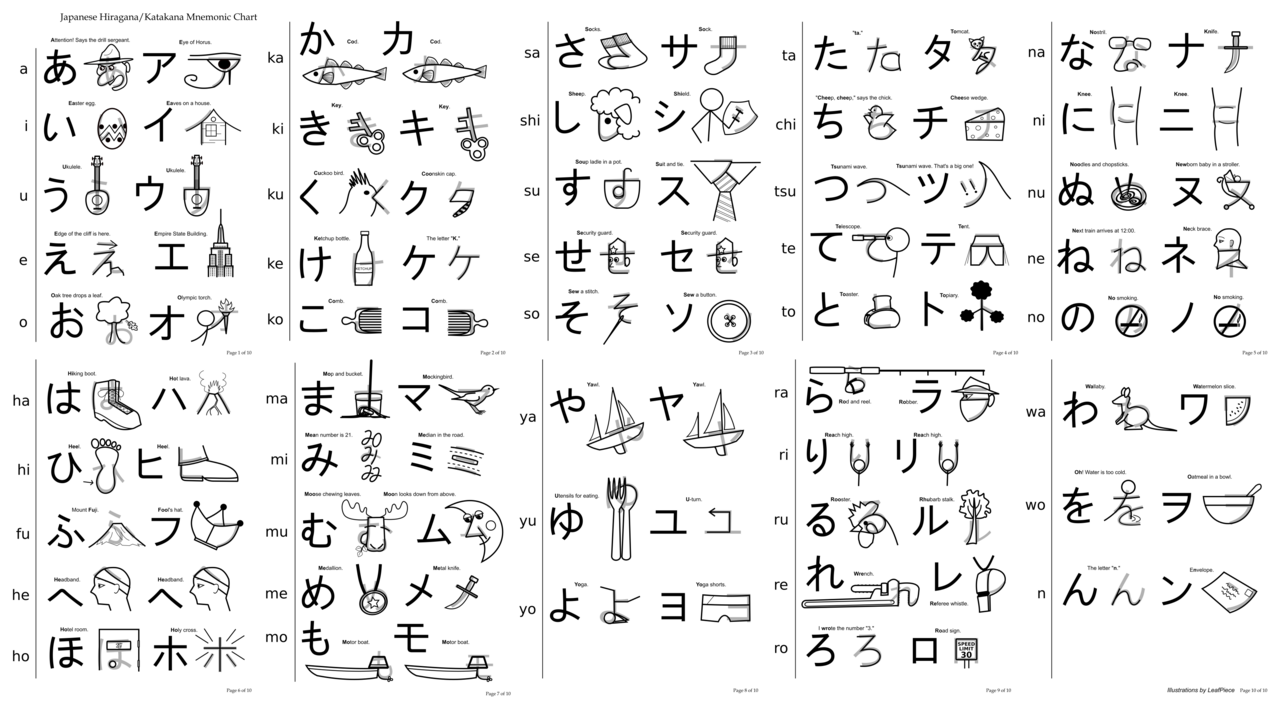
For a lot of Japanese learners, kanji is the part that feels slow, heavy, and a bit unfair. Grammar can be studied in tidy chapters, and speaking can improve through conversation, but kanji asks for long-term memory, pattern recognition, and patience all at once. That’s why many learners can feel comfortable with ひらがな (hiragana, hiragana syllabary), カタカナ (katakana, katakana syllabary), and basic phrases, yet still freeze when a new kanji shows up in the wild.
The good news is that kanji difficulty is often less about talent and more about method. If you keep treating each character like an isolated puzzle, progress stays painfully slow. If you start seeing repeated components, meanings, and reading patterns, things begin to click much more naturally. My tip: don’t ask, "Can I memorise this single kanji?" Ask, "How does this fit into the bigger system?" That small shift changes everything. But that’s not all.
From zero to JLPT N1 in under three years
The most striking detail in this story is the speed: zero to JLPT N1 in under three years, according to the original YouTube video. That’s a serious climb, especially because N1 is the top level of the JLPT ladder and demands broad reading ability, fast recognition, and comfort with advanced vocabulary. It’s not just about knowing a stack of isolated characters. It’s about processing Japanese naturally, under pressure, with limited time.
No joke: that pace tells us something important. Fast progress doesn’t mean memorising everything perfectly on the first try. It usually means reviewing in the right order, seeing kanji often in context, and refusing to let perfection slow you down. The learner in this story clearly didn’t wait to "finish" kanji before moving on with Japanese. They kept learning alongside reading, vocabulary, and real usage, which is exactly how kanji starts feeling less like homework and more like language. Sounds good, right?
What actually helps kanji stick
Trust me on this one: the most useful kanji strategy is rarely the most glamorous one. What works is usually a mix of repetition, context, and active recall. Kanji becomes easier when you meet it again in different words, because your brain stops seeing a random shape and starts seeing a familiar building block. That’s where Japanese learning gets more natural, and honestly, a lot less frustrating.
Three habits that make a difference
- kanji / kanji / logographic character
- ふりがな (furigana) / furigana / reading aid
- 文法 (bunpo) / bunpo / grammar
The best part: you don’t need to love every flashcard session. You just need a system that keeps bringing the same kanji back in useful places. Reading graded readers, manga, news headlines, or short daily-life posts helps because each encounter reinforces meaning in a slightly different way. That nuance matters. A kanji seen in a vocabulary list is one thing, but the same kanji inside a real sentence is what makes it stick.
Oh, almost forgot: writing can still help, but it should support recognition rather than replace it. A learner aiming for N1 usually needs speed first, then refinement. So if writing every stroke perfectly is slowing you down, it may be worth loosening that grip a little. Read on and you’ll master the rhythm much better than if you try to perfect every line from day one.
What Japanese learners can copy from this approach
Compared with back home, many learners expect language study to be linear, one textbook page at a time. Japanese often rewards a more circular path. You meet a kanji in one word, forget it, meet it again in another context, and only then does it lock in. That’s normal. It’s also why kanji progress often feels invisible until one day it suddenly doesn’t.
Pro tip: build a routine around exposure, not just isolated memorisation. A few smart habits can carry a lot of weight:
- review old kanji in mixed sets, not only in order
- learn vocabulary through real examples, not single characters alone
- read short texts that match your level, then stretch a little
- keep a note of repeated components so patterns become obvious
What I especially like about this kind of story is that it’s encouraging without pretending the work is easy. Three years from zero to N1 isn’t casual, but it proves that steady systems beat vague motivation. If kanji has been your biggest wall, this is your reminder that walls can be climbed. From my experience, the moment you stop treating kanji as a special monster, it gets a lot more manageable. But that’s not all.
Frequently Asked Questions
Is kanji really the hardest part of Japanese?
For many learners, yes, because kanji asks for memory, reading skill, and patience at the same time.
Can strong kanji progress happen in a few years?
Yes, if the learner uses a consistent system, reads a lot, and reviews in a smart way.
What is the biggest mistake with kanji study?
Trying to memorise each character in isolation, instead of learning it through vocabulary and repeated context.